With the advancement of the times, people are placing increasing emphasis on environmental protection. Consequently,
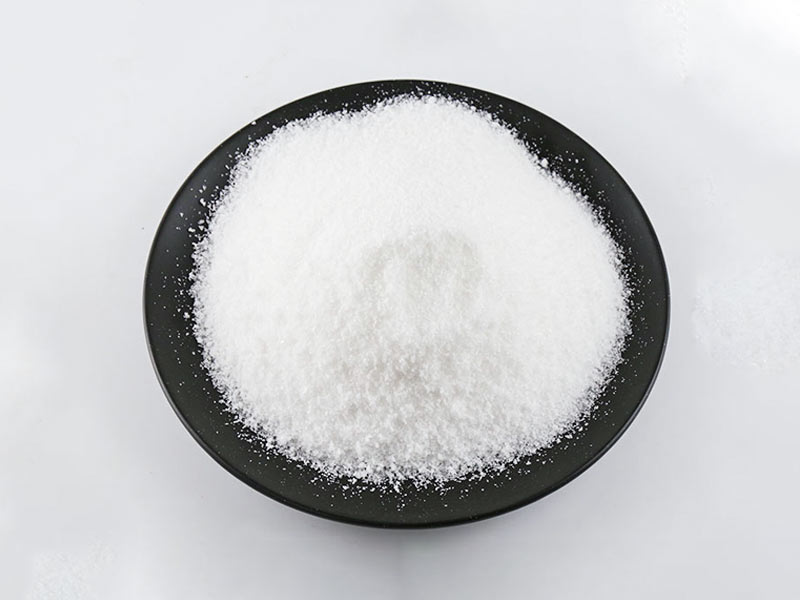
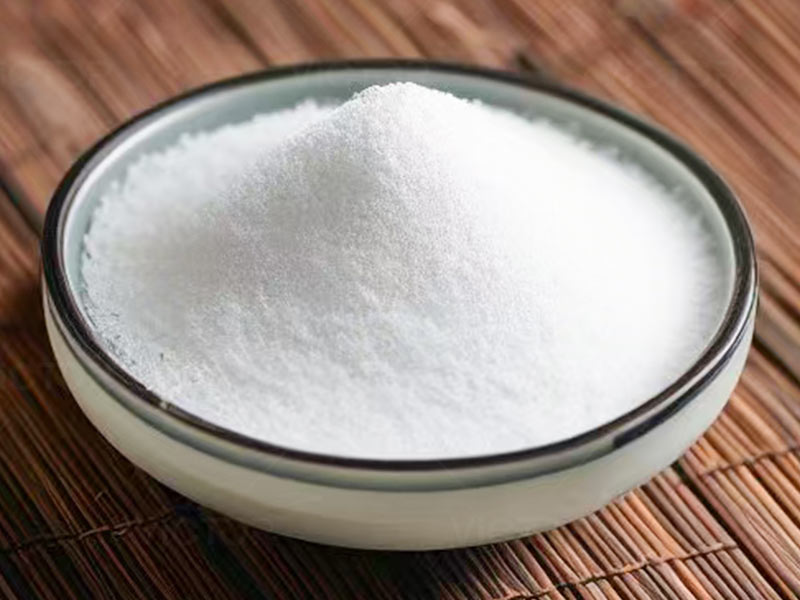
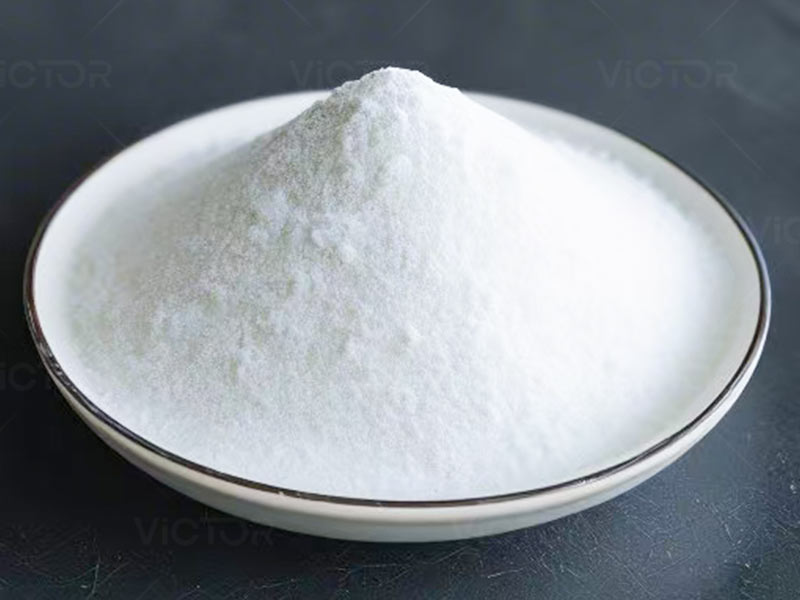
polyaluminium chloride products have entered our field of vision and daily lives. Polyaluminium chloride is a type of water purification chemical. It can be found in numerous fields, with its most widespread application being in water purification. So, how much do you know about polyaluminium chloride? Let us explore together.
Polyaluminium chloride is a commonly used water purification agent. However, the market for such products is a mixed bag, with varying quality and wildly differing prices. Purchasers often worry about being misled. So how does one select a satisfactory polymerised aluminium chloride product? Here are a few fundamental points. Grasp these, and acquiring a suitable product becomes straightforward.
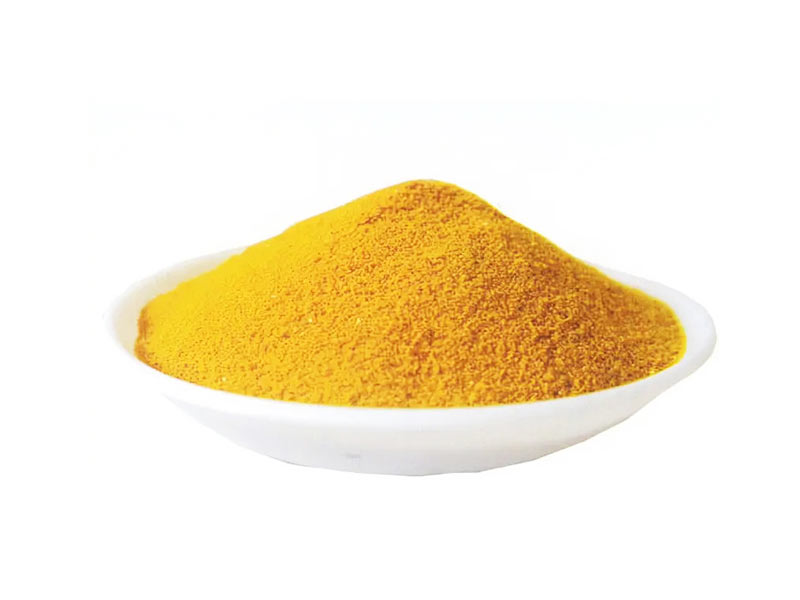
Firstly, consider the base degree. This refers to the degree of hydroxylation or alkalisation within the polyaluminium chloride, also termed the base degree or alkalisation degree. It serves as a crucial indicator for assessing the quality of polyaluminium chloride and is closely linked to its flocculation efficacy. Generally, the higher the base degree, the better the flocculation effect, particularly when treating raw water with higher concentrations. In summary, for raw water turbidity ranging from 86 to 10,000 mg/L, the optimal polyaluminium chloride base degree lies between 40% and 85%. It is important to note that numerous properties of polyaluminium chloride are directly linked to its base degree. Secondly, insoluble matter poses a significant challenge. National regulations explicitly stipulate limits for insoluble content in polyaluminium chloride. This is particularly pertinent as numerous domestic manufacturers utilise mineral ores as raw materials. However, these ores possess complex compositions and require crushing before processing into powder. Finer powders exhibit higher dissolution rates, yet correspondingly, insoluble matter becomes more difficult to precipitate. Consequently, reducing insoluble matter remains a major technical hurdle for polyaluminium chloride production. Nevertheless, solutions now exist, such as natural sedimentation, plate-and-frame filter press filtration, or the addition of polyacrylamide products to address insoluble matter in polyaluminium chloride. Finally, there is the matter of content. The content of polyaluminium chloride generally refers to the aluminium oxide content. Aluminium oxide content is a crucial indicator of polyaluminium chloride product quality. Higher content indicates greater purity, signifying superior product quality. However, only a handful of enterprises in China can produce high-content polyaluminium chloride. Most manufacturers still produce lower-grade products using bauxite or calcium aluminate as raw materials, operating at relatively modest production scales.