In water treatment processes,
polyaluminium chloride serves as a widely employed chemical agent for sewage treatment, delivering highly effective results. However, numerous factors can influence treatment efficacy during this process, with pH being one such critical variable. During wastewater treatment, pH significantly impacts the flocculation action of polyaluminium chloride. Moreover, different coagulants each possess their own optimal flocculation range when applied.
When using polyaluminium chloride, adjusting the pH to an appropriate level can effectively conserve water treatment chemicals and reduce costs. Simultaneously, it allows the flocculation process to operate more completely, yielding superior flocculation results. Conversely, an unsuitable pH directly impairs the coagulation efficacy of water treatment. It may also cause difficulties in sedimentation, causing already-formed flocs to revert to colloidal solutions. Ultimately, this leads to unimaginably poor performance when using polyaluminium chloride.
Why does this occur? It is crucial to understand that during hydrolysis, the polymeric structure of polyaluminium chloride is heavily dependent on the water's pH level. At low pH, polyaluminium chloride hydrolyses into a monomeric form. Under neutral or weakly alkaline conditions, its turbidity treatment efficacy remains largely unaffected, though it still effectively removes organic matter.
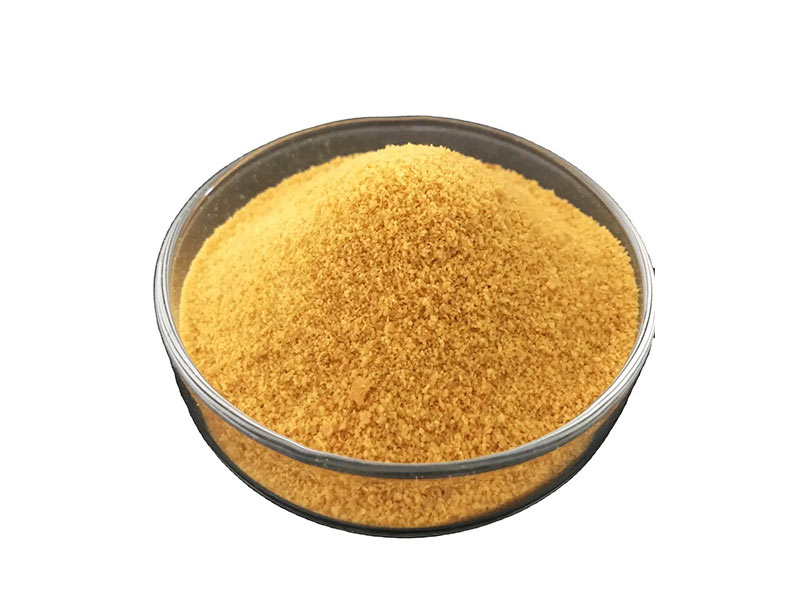
Naturally, numerous factors beyond pH influence polyaluminium chloride's water treatment performance. Water quality and sludge characteristics constitute one such aspect. Whether for wastewater treatment or industrial effluent management, selecting the appropriate grade of polyaluminium chloride is essential prior to use. This selection necessitates a thorough understanding of the water quality and sludge characteristics. Temperature is another critical factor. Polyaluminium chloride is typically dissolved using water at ambient temperature, though care must be taken to ensure the water temperature does not exceed 50°C. Excessively high temperatures can disrupt the molecular structure within the polyaluminium chloride, This will affect the efficacy of the polyaluminium chloride. Therefore, when employing polyaluminium chloride for flocculation, its performance is influenced by factors such as the surface characteristics of the flocculated material, particularly water viscosity, turbidity, suspended solids, and pH levels. Consequently, when making selections, it is imperative to consider all factors affecting the utilisation of polyaluminium chloride products to ensure optimal final results.