As a highly effective water treatment chemical,
polyaluminium chloride can treat a wide range of industrial effluents. These include dyeing wastewater, leather processing effluent, fluoride-containing waste water, heavy metal-laden effluent, oily wastewater, and more. Its applications are extensive. However, is the dosage of polyaluminium chloride consistent across all wastewater treatment scenarios?
The dosage varies depending on the wastewater type and industry. For treating low-turbidity water, it is advisable to dilute solid polyaluminium chloride with water at a 1:3 ratio, stirring until completely dissolved. In domestic sewage and industrial effluent treatment, approximately 30 grams of polyaluminium chloride per tonne of water is typically added. Should the treatment effect prove unsatisfactory, the dosage may be adjusted accordingly, either reduced or increased. For treating paper mill effluent, the dosage ratio for low-turbidity water may be applied. When raw water turbidity ranges between 100-500 mg/L, the dosage is 1 kg per thousand tonnes of wastewater. Prior to use, it is advisable to conduct trials based on water parameters. Once an appropriate dosage is determined, application may proceed.
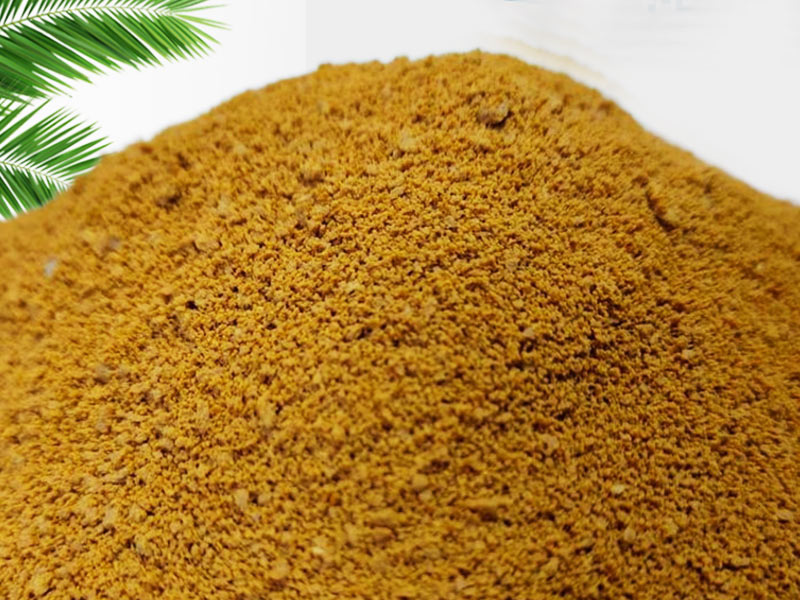
Numerous factors influence the efficacy of polyaluminium chloride during practical application, including water temperature, pH level, and water quality. Pollutant compositions vary significantly across different wastewater streams, rendering water treatment processes highly variable. Nevertheless, given the widespread adoption of polyaluminium chloride, determining the optimal dosage remains critically important. Under neutral water conditions, polyaluminium chloride exhibits optimal flocculation performance at pH levels between 6 and 8. It should be noted that iron-containing polyaluminium chloride demonstrates excellent flocculation efficacy in low-temperature, low-turbidity water. It facilitates rapid and effective floc formation with comparatively low residual turbidity.
It is important to understand that the hydrolysis of polyaluminium chloride is an endothermic reaction. Consequently, temperature significantly influences its efficacy. At low water temperatures, increased viscosity hinders the destabilisation and aggregation of pollutant particles, making floc formation difficult. Moreover, low temperatures impede colloidal flocculation. Elevating the temperature in such cases enhances flocculation efficiency. At low temperatures, increased flocculant dosage is essential. Conversely, excessively high temperatures may still produce flocs, but these tend to be excessively fine. This results in increased moisture content within the sludge, complicating subsequent treatment. Thus, both excessively high and low water temperatures are detrimental to flocculation outcomes.