With increasing public awareness of water pollution, the treatment of contaminated water has become ever more critical. As a high-molecular-weight organic flocculant, polyacrylamide finds extensive application in the water treatment industry, demonstrating excellent water purification capabilities. Given the wide range of molecular weights available for
polyacrylamide, meticulous control is required in selecting the appropriate grade, ensuring proper dissolution, and adhering to precise mixing ratios and dosage rates. Failure to do so may significantly compromise treatment efficacy during wastewater processing, adversely affecting the final outcome.
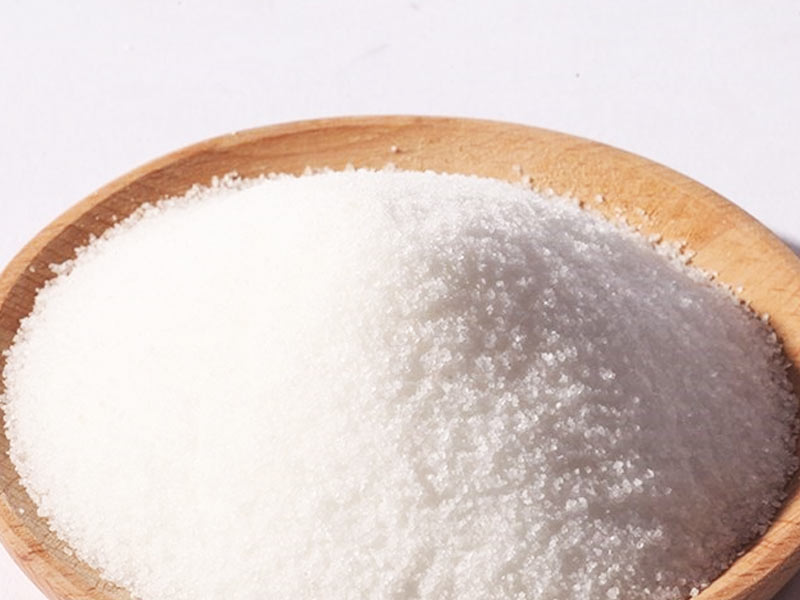
How, then, can the efficiency of polyacrylamide be enhanced? When employing polyacrylamide products, it is advisable to add them in batches. After introducing an initial portion of the flocculant, mix it rapidly with water. After a minute or two, add another portion of the flocculant and mix it with the water again. Generally, it is preferable to add 60% first, mix it, and then add the remaining 40%. Alternatively, reduce the polyacrylamide's preparation concentration. For anionic polyacrylamide, prepare at 0.1% concentration; for cationic, use 0.2%. Where daily usage volumes are substantial, opt for higher initial concentrations, diluting as needed during application. Additionally, observe the pH level of the wastewater to be treated. Should the pH be excessively high or low, it is advisable to first adjust the wastewater's pH value before combining it with other chemicals. It is important to note that when using polyacrylamide, a higher molecular weight is not necessarily better, nor does a greater dosage guarantee superior results. It is preferable to conduct experimental selection based on the wastewater's quality to determine an appropriate dosage.
Polyacrylamide is not necessarily more effective in larger quantities. Excessive dosing leads to saturation, causing water to become viscous and prone to clogging pipes and filters. Moreover, high dissolution concentrations result in sticky water post-treatment. Overdosing wastes product and sharply increases operational costs. During water treatment, excessive polyacrylamide addition may reduce nitrogen levels by diminishing nitrogen-containing organic matter in the water body. When used as a thickener, excessive polyacrylamide can impair product fluidity, causing it to gel and solidify.
Therefore, when employing polyacrylamide products, it is essential to determine the appropriate product grade and dosage based on the specific water quality conditions to prevent wastage.