During wastewater treatment, both
polyaluminium chloride and polyaluminium ferric chloride serve as water purification agents. However, their respective applications in sewage treatment differ. How then can we distinguish between polyaluminium chloride and polyaluminium ferric chloride? The polyaluminium chloride manufacturer provides a detailed explanation below!
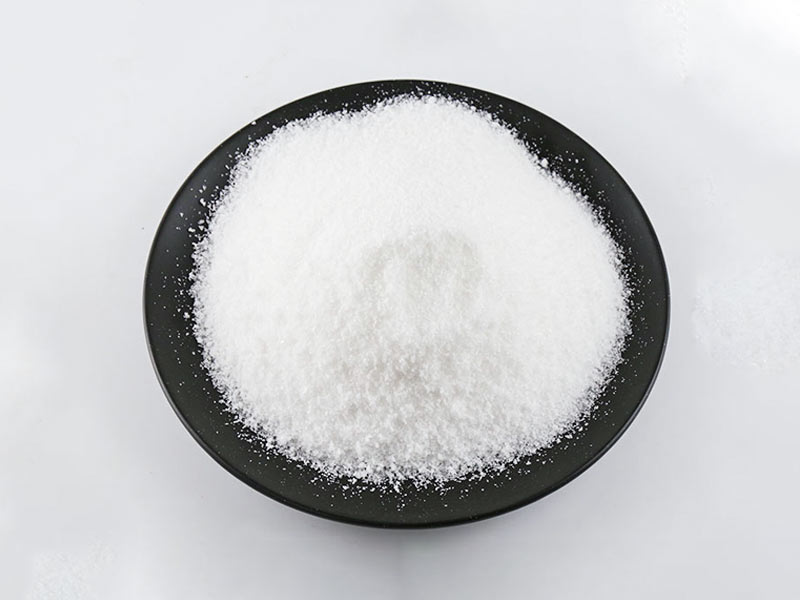
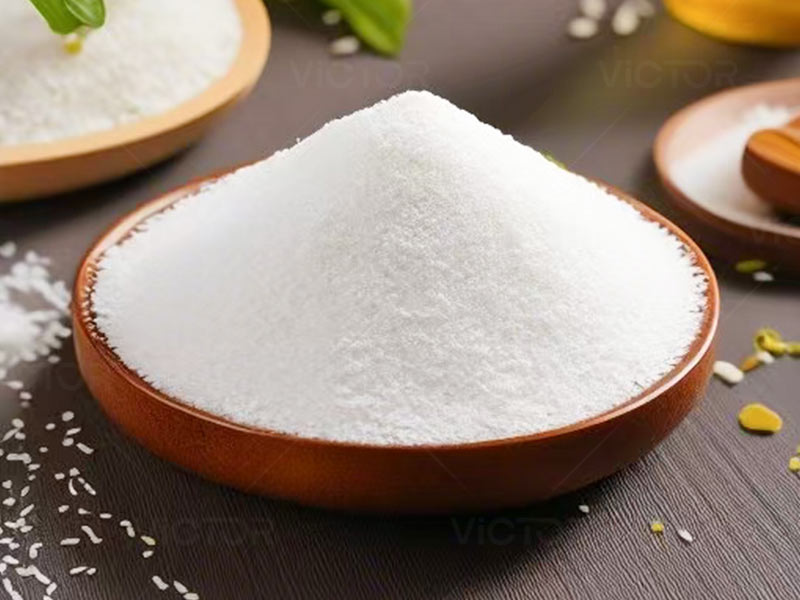
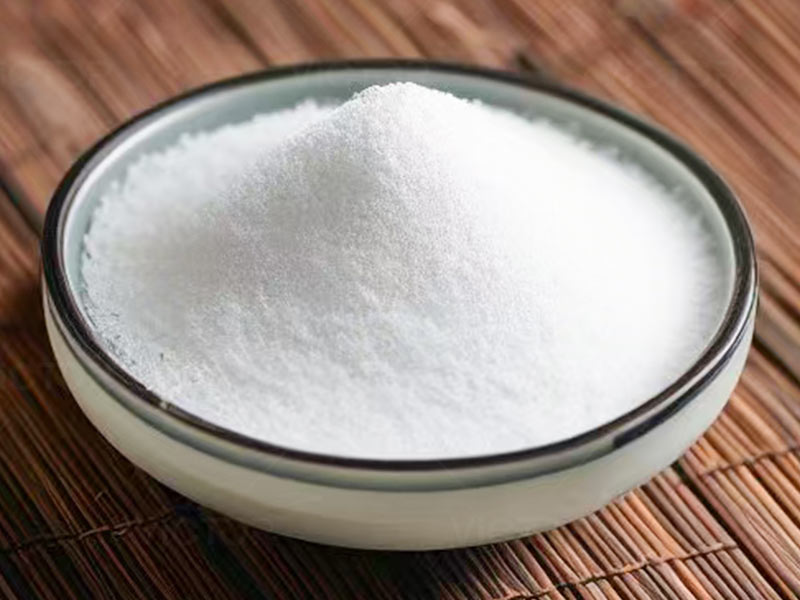
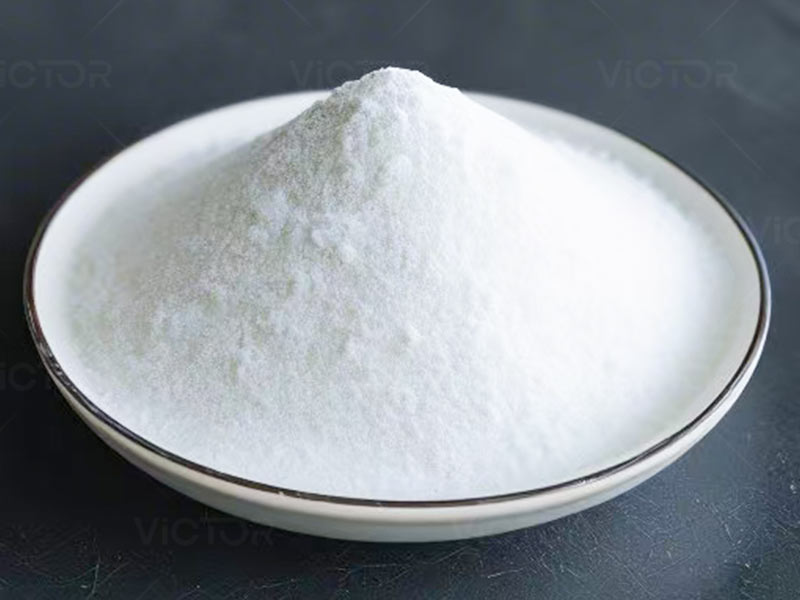
Distinguishing between polyaluminium chloride and polyaluminium ferric chloride can be achieved through three key aspects: appearance and colour, production raw materials, and application efficacy. In terms of appearance and colour, polyaluminium chloride manifests as white, yellow, or brown, predominantly in powder form. Conversely, polyaluminium ferric chloride typically presents as a reddish-brown powder. The colour varies depending on the iron content within the polyaluminium ferric chloride. Moreover, the raw materials for polyaluminium chloride and polyaluminium ferric chloride differ. The primary raw materials for polyaluminium chloride are hydrochloric acid, calcium aluminate powder, and bauxite. Polyferric aluminium chloride, however, is formed by adding elemental iron ions or iron-containing compounds such as iron(III) oxide. Furthermore, the performance of polyaluminium chloride and polyferric aluminium chloride differs. In terms of sedimentation rate during water treatment, polyaluminium chloride exhibits a slower sedimentation effect than polyferric aluminium chloride. When treating water with high turbidity or low-temperature, low-turbidity water, polyaluminium ferric chloride demonstrates superior performance compared to polyaluminium chloride. Therefore, different types of polyaluminium compounds can be selected based on water quality characteristics, with dosage adjusted according to specific conditions during application.
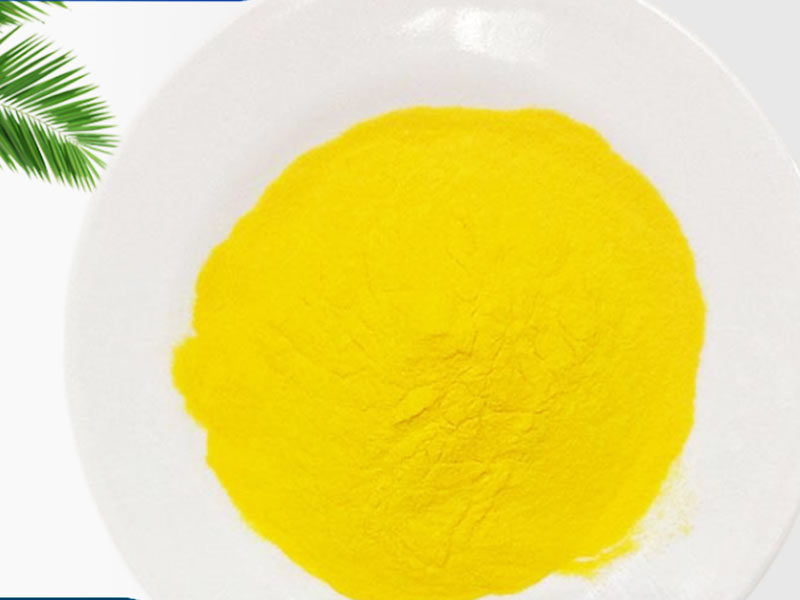
Due to its strong bridging adsorption and flocculation capabilities, polyaluminium chloride delivers superior water purification results compared to traditional flocculants. It also forms flocs rapidly. They exhibit rapid settling rates and are suitable for water treatment within a pH range of 5 to 9. They possess low corrosivity and are relatively straightforward to operate. When using polyaluminium chloride products, the sedimentation time typically ranges from 40 to 90 minutes. The precise duration depends on the dosage applied. Continuous agitation is required to accelerate dissolution. It should be noted that if substantial flocculated matter floats on the water surface after flocculation, this material must be removed. Should an oil layer persist on the surface, this indicates either insufficient dosage or inadequate agitation.