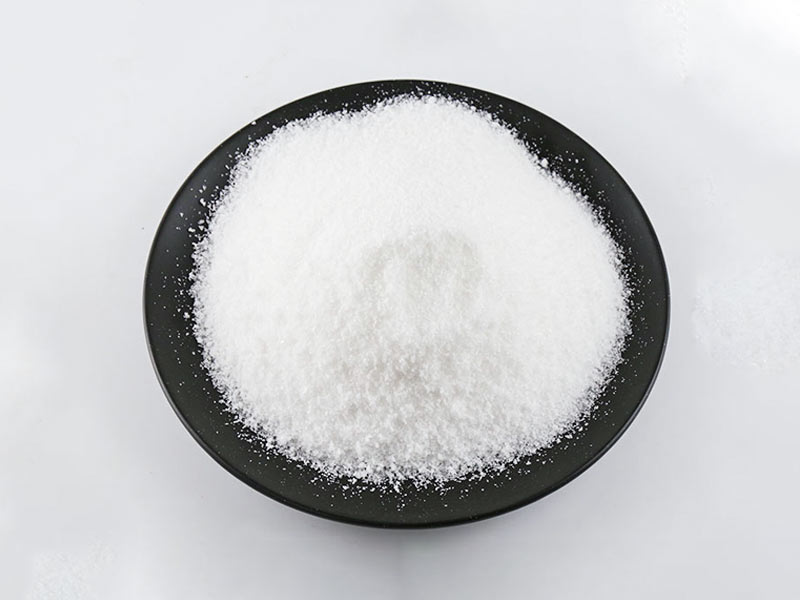
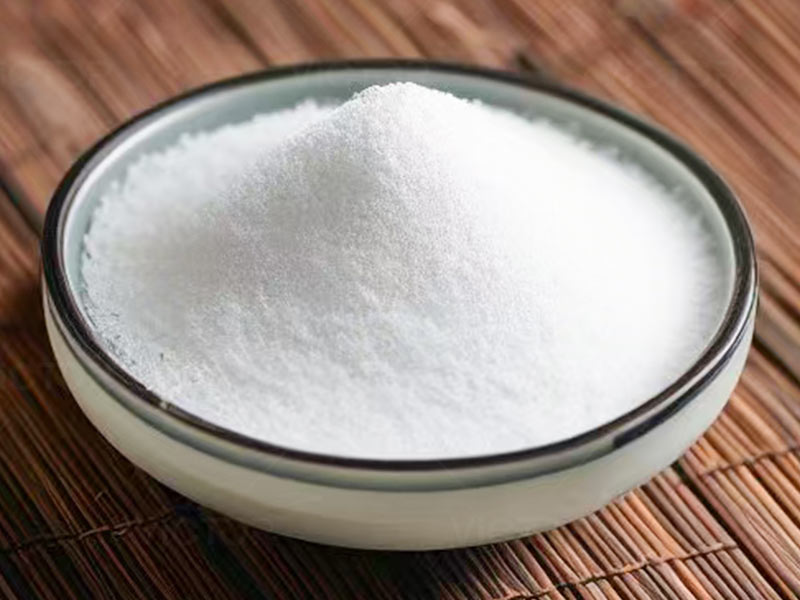
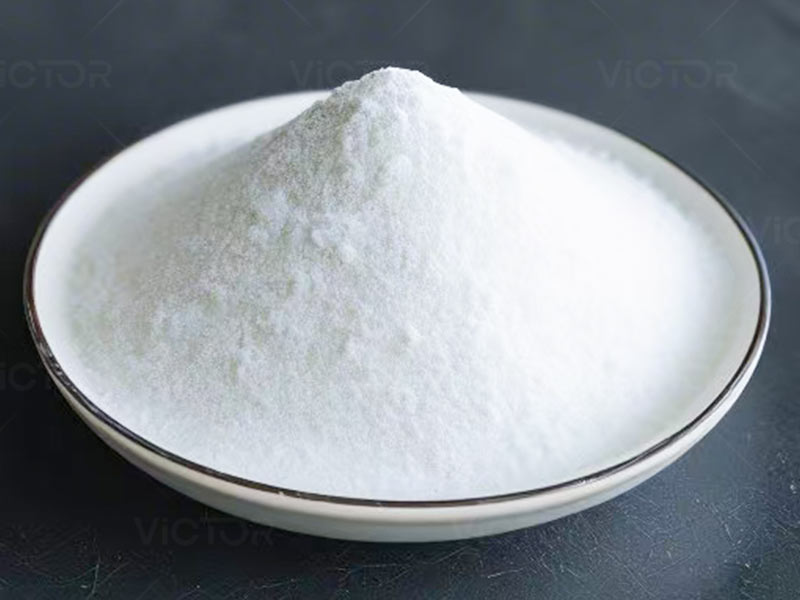
Polyaluminium chloride products have now become a preferred choice for purifying wastewater. When purchasing such products, budget and price are key considerations. Naturally, everyone seeks to acquire high-quality polyaluminium chloride at the most economical cost. Currently, market prices for these products vary significantly among suppliers, with price variations ranging from tens to hundreds of pounds. This chaotic market landscape inevitably breeds considerable hesitation among buyers. So why such substantial price discrepancies exist for polyaluminium chloride products?
In truth, China's polyaluminium chloride production sees minimal variation in raw material procurement. The primary driver of price differences lies in distinct manufacturing processes. Products of the same type exhibit little variation in production methods or cost control. The primary driver of price disparity lies in the production method employed. For instance, spray-dried polyaluminium chloride commands a premium price. Products processed via plate-and-frame filtration fall within a mid-range price bracket, while those manufactured using the drum process are priced slightly lower.
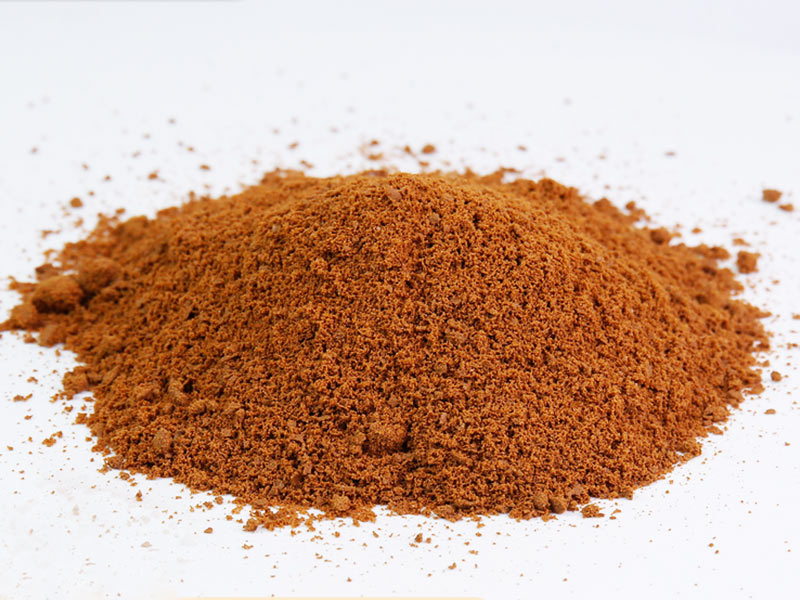
Polyaluminium chloride products are categorised by their aluminium oxide (Al₂O₃) content: 30%, 28%, and 26%. Given the distinct applications and usage scopes of these variants, selection should align with specific requirements. However, differing content levels correspond to varying product prices. The 30% aluminium content product boasts higher purity and is employed in potable water treatment, primarily for fluoride and chlorine removal during water purification, alongside specialised water quality treatments. The 28% aluminium content product finds extensive application in domestic sewage treatment and industrial wastewater purification. The 26% aluminium content product is slightly more economical and is frequently utilised in industrial wastewater treatment.
Regardless of price, selecting polyaluminium chloride should prioritise product performance and functionality. Current market offerings from manufacturers adequately meet diverse domestic sector requirements. However, buyers are advised to conduct small-scale trials before purchasing to identify the most suitable polyaluminium chloride product. This will help identify the most suitable polyaluminium chloride product for your specific requirements.