As a proven water purification agent,
polyaluminium chloride finds extensive application in water treatment processes. It has superseded traditional water treatment chemicals such as aluminium sulphate and basic aluminium chloride, emerging as a novel purification agent with excellent efficacy in wastewater treatment for industries including papermaking and textile dyeing.
Polyaluminium Chloride Manufacturer is a specialist producer of polyaluminium chloride products. Renowned for their superior quality, these products are exported globally and have earned the trust and preference of both new and established customers. However, during application, it is observed that polyaluminium chloride exhibits limited water treatment efficacy at low temperatures, often failing to achieve the anticipated results. Why is this?
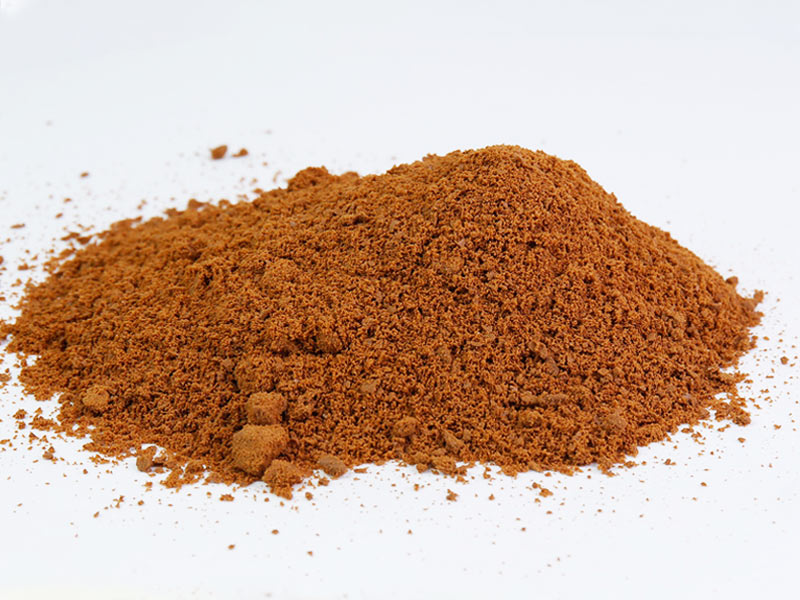
The performance of polyaluminium chloride in water treatment is indeed influenced by temperature. The impact is particularly pronounced under conditions of low temperature and low turbidity. Specifically, when temperatures fall below minus five degrees Celsius, the flocculation efficacy of the product diminishes, whereas high temperatures exert a comparatively lesser effect. This occurs because polyaluminium chloride is a high-molecular-weight polymer. Within its molecular structure, the transition of molecules from an active to a static state is inherently temperature-dependent. Typically, the molecular structure of polyaluminium chloride remains relatively stable between 5 and 20 degrees Celsius. However, once temperatures drop below freezing, molecular activity gradually ceases. This impairs the water purification function of the product, directly resulting in poor flocculation and difficulty in forming large flocs. This impedes effective adsorption, further hindering the sedimentation of polyaluminium chloride. This effect is particularly pronounced in outdoor settings with lower ambient temperatures. Consequently, untreated polyaluminium chloride products may yield less effective water treatment outcomes compared to other seasons.
However, the performance of polyaluminium chloride is not solely influenced by temperature. It is also contingent upon the quality of the raw water, the dosage of polyaluminium chloride, and the pH value. Different water qualities necessitate distinct polyaluminium chloride products during the water treatment process. Water treatment efficacy varies considerably across different water qualities. pH level stands as one of the primary factors influencing the flocculation performance of polyaluminium chloride. Whether the pH of the water being treated is excessively low or high, it will adversely affect the flocculation efficacy of polyaluminium chloride. Moreover, excessively low levels of impurities in the water are detrimental to flocculation. When turbidity is low, coagulation efficiency is also poor. Although polyaluminium chloride itself lacks direct bactericidal properties, it plays a significant role in microbial removal. By purifying wastewater through the flocculation process that removes organic matter, it also effectively eliminates microorganisms.