Polyaluminium chloride has now become a widely recognised water purification product. As an exceptionally effective water treatment solution, many users believe that increasing the dosage will enhance purification results. But is this truly the case? What is the relationship between polymerised aluminium chloride dosage and its efficacy? Let us examine the analysis provided by manufacturers.
It is widely understood that prior to employing polyaluminium chloride, trials must be conducted based on the specific wastewater treatment requirements and pollution levels. This determines the appropriate purification method and dosage. When treating wastewater with polyaluminium chloride, its correct application is crucial. Generally, excessive amounts of polyaluminium chloride are unnecessary in wastewater treatment. Not only does this increase operational costs, but it can also adversely affect purification outcomes. Should other water treatment chemicals be added subsequently, the presence of excess polyaluminium chloride may inhibit reactions, ultimately compromising treatment efficacy.
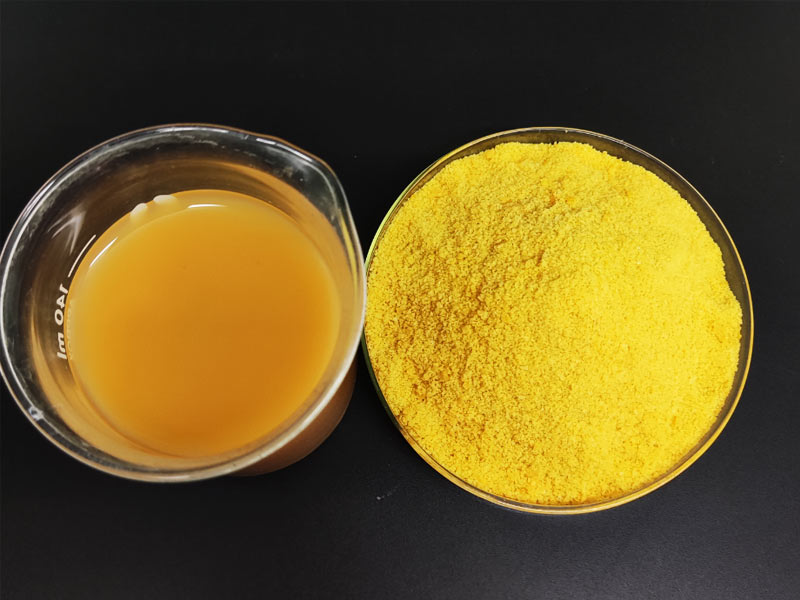
Excessive use of polyaluminium chloride typically generates additional sludge, imposing unnecessary strain on filtration systems and equipment. Simultaneously, high consumption increases operational costs and may alter the pH value of treated water. Finally, employing excessively high concentrations of polyaluminium chloride can cause equipment blockages. Thus, the drawbacks of overusing polyaluminium chloride products are considerable. How then should the dosage be determined?
When employing polyaluminium chloride products, it is advisable to conduct preliminary experiments based on the characteristics of the raw water to determine the optimal dosage. Generally, a preparation concentration of 2–5% is recommended. Subsequently, dissolve the product using a ratio of solid to clean water of approximately 1:5. Further dilution with water may then be performed. It is important to note that solutions below 1% concentration may undergo hydrolysis, compromising efficacy. Conversely, excessively high concentrations may lead to wastage. Therefore, dosing should adhere to the optimal concentration determined experimentally. During operation, monitor flocculation and sedimentation patterns, adjusting dosage promptly to ensure optimal performance.