

Newstime:2025-04-08 Source:Polyacrylamide
As a commonly used water purification chemical, polyacrylamide products have a wide range of applications. However, polyacrylamide solution also functions as a drag reducer. When using it, the dosage must be precisely determined. It is important to note that calibration must be performed using the polyacrylamide solution itself; it cannot be determined using plain water. Using plain water for calibration not only increases dosage requirements and associated costs but also introduces unnecessary complications that compromise water treatment efficacy.
During polyacrylamide application, the more diluted the solution is when added after dissolution, the more effective it becomes. A lower dosage concentration allows the polyacrylamide liquid to mix thoroughly within the water, preventing the formation of colloids due to excessive concentration that could impair performance. However, excessively dilute concentrations necessitate significant equipment investment. Typically, a dosage concentration of 0.5–1.0% is optimal for polyacrylamide. As a water-purifying flocculant, batch dosing is preferable. For treating highly turbid water, batch dosing yields superior results compared to a single, large-volume addition. Batch dosing entails dividing the total dosage into two portions for addition to the water. This prevents polyacrylamide from binding with suspended solids. It is advisable to first add 60% of the polyacrylamide, followed by the remaining 40%.
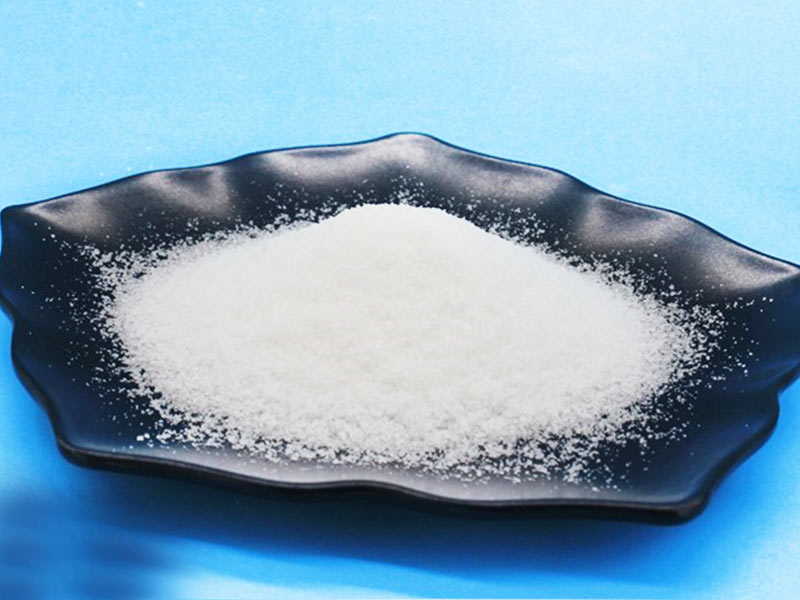
The dosage of polyacrylamide is generally determined by the clarity of the solution. Appropriate dosing is essential. Excessive addition not only diminishes water treatment efficacy but also increases consumption, while simultaneously impeding filter press throughput. Even liquid polyacrylamide should not be prepared at excessively high concentrations during preparation. Overly high concentrations may result in uneven mixing with water, leading to incomplete hydrolysis reactions and consequently impaired flocculation outcomes.
It is crucial to understand that the dosage of polyacrylamide must be determined based on the volume of sludge discharged and the sedimentation efficiency. Higher sludge output necessitates increased polyacrylamide usage. However, the preparation method significantly influences the sedimentation outcome. Therefore, employing a rational preparation method can effectively enhance sedimentation efficiency, thereby reducing polyacrylamide consumption. This facilitates increased throughput capacity within the polyacrylamide sedimentation system. Consequently, the dosage of polyacrylamide also determines its operational efficacy.
The link to this article is: https://www.polyacrylamidepam.com/faq/the-concentration-of-polyacrylamide-solution-during-dosing.html
Copyright: Please credit the source when reproducing this content.2026-05-01
2026-03-31
2026-03-30
2026-03-30
2026-03-29