When using
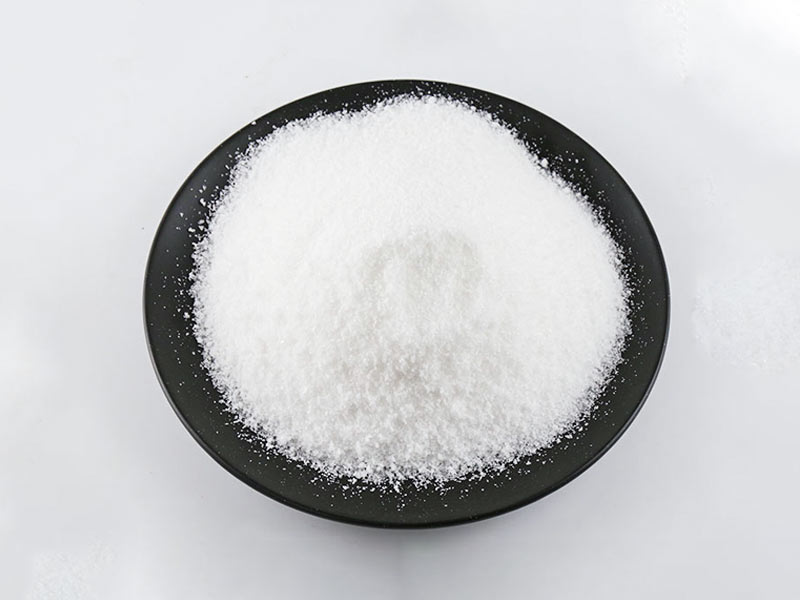
polyaluminium chloride, particular attention must be paid to its dissolution. Dissolution constitutes an essential process for solid polyaluminium chloride, as the solid form cannot be directly added to water. It is necessary to dissolve the solid polyaluminium chloride in water at a specific ratio, ensuring thorough mixing between the polyaluminium chloride and water.
During the dissolution of polyaluminium chloride products, the stirring speed must be adjusted sequentially. This is because the dissolution process occurs when polyaluminium chloride mixes with raw water. Uniform blending of polyaluminium chloride and raw water is essential during mixing, necessitating vigorous water circulation. The agitation period should last 1-3 minutes. Following agitation, a flocculation process occurs where the water treatment agent collides with colloidal particles in the water, ultimately forming flocs. As these flocs grow, the agitation intensity must be reduced to prevent fragmentation of the flocs during mixing. This initial agitation phase lasts 15-20 minutes. Subsequently, the coagulant is introduced into the water. Rapid agitation is employed initially to facilitate swift dissolution and promote uniform dispersion of the coagulant throughout the water. This prevents uneven distribution of the polyaluminium chloride (PAC) flocculant. Once flocs have formed, agitation speed must be reduced to prevent their re-aggregation.
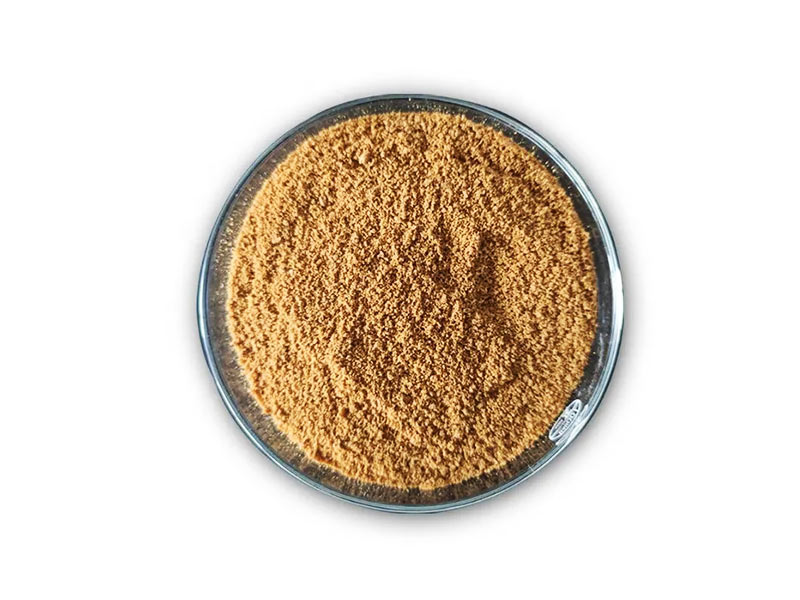
When dissolving polyaluminium chloride, first dissolve the solid product into a 0.1-0.3% concentration solution to ensure efficacy. Use room-temperature tap water for dissolution initially. Alternatively, tap water may be heated for dissolution, but the temperature must not exceed 50°C. Higher temperatures may cause degradation of the polyaluminium chloride, compromising its performance. Typically, approximately one hour of thorough stirring is required for complete dissolution. Incomplete dissolution may cause the polyaluminium chloride to agglomerate, potentially leading to sedimentation and pipeline blockages.
Following dissolution, the polyaluminium chloride solution should be added to the wastewater. However, in high-turbidity, high-viscosity conditions, the polyaluminium chloride solution requires further dilution to achieve optimal performance. When treating such conditions after adding the dissolved polyaluminium chloride, avoid vigorous stirring. Prolonged vigorous agitation may disrupt the formed flocs.