Those familiar with the water treatment industry know that solubility significantly impacts treatment efficacy during the process. Solubility is particularly susceptible to temperature fluctuations. Therefore,
polyaluminium chloride manufacturers wish to discuss how temperature affects the performance of polyaluminium chloride products.
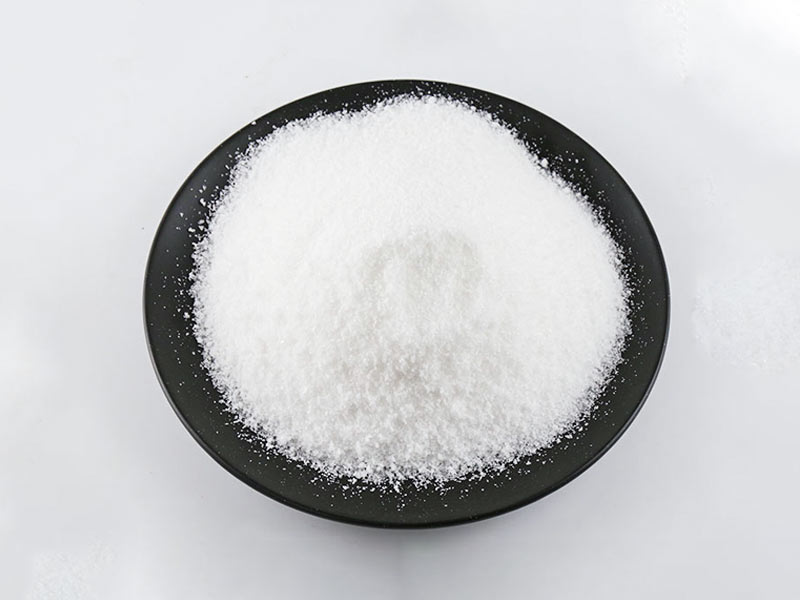
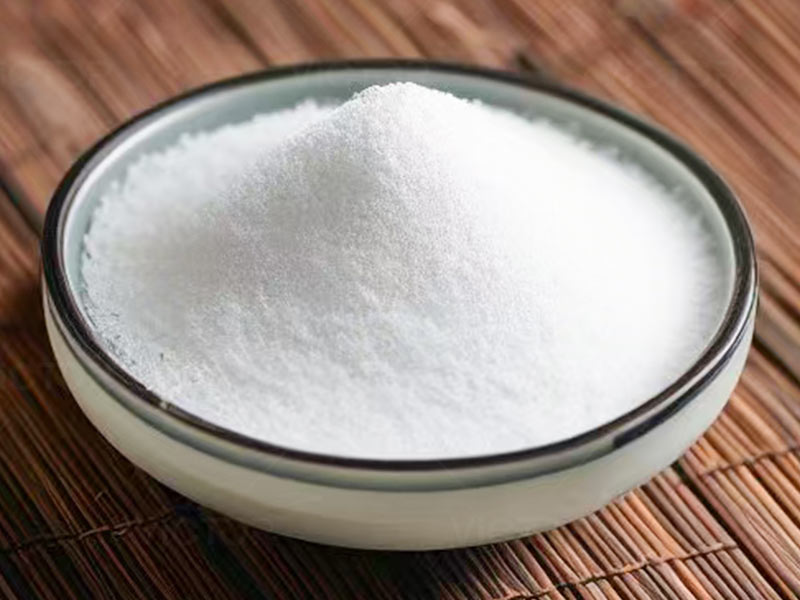
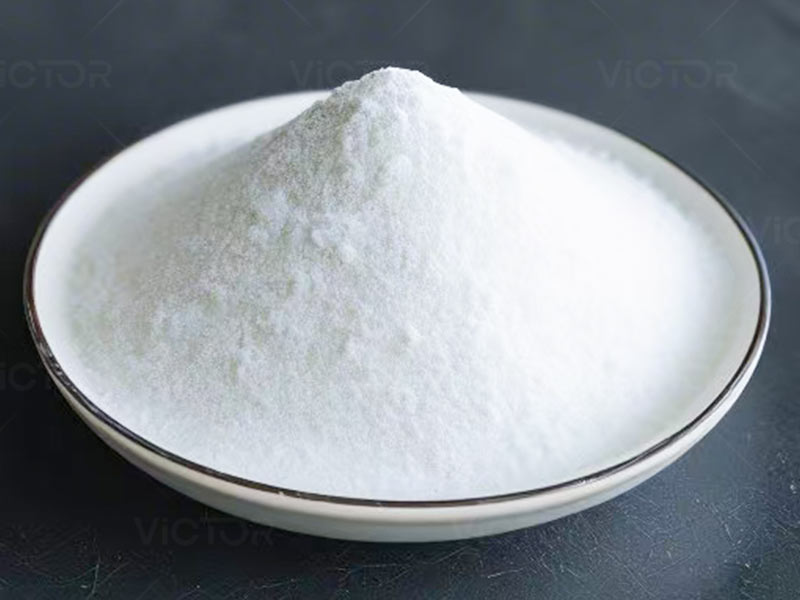
Generally, polyaluminium chloride is more susceptible to significant effects under conditions of low turbidity and low temperature. Conversely, its performance is less affected under conditions of high turbidity and high temperature. Once temperatures drop below minus five degrees Celsius, the flocculation efficacy of polyaluminium chloride is compromised. At higher temperatures, the impact is generally minor. Why is this the case? This primarily relates to the molecular structure of the polyaluminium chloride product. The transition of its molecular structure from active to inactive states is influenced by temperature. At ambient temperatures between 5-20°C, the molecular structure of polyaluminium chloride remains relatively stable. However, once temperatures fall below freezing, molecular activity gradually ceases. This ultimately compromises the product's efficacy, manifesting directly as poor flocculation and the absence of alum flocs. During adsorption, reduced effectiveness impairs sedimentation outcomes.
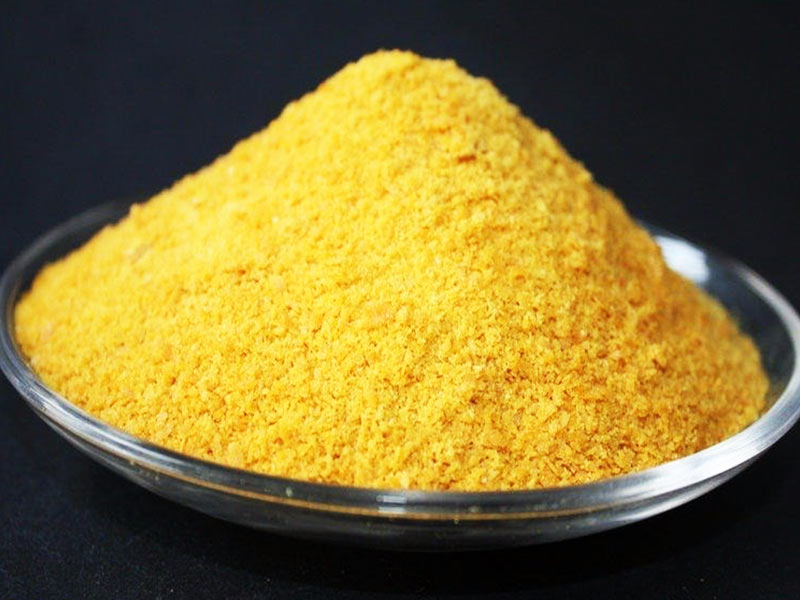
To maximise the efficacy of polyaluminium chloride, particular attention must be paid to temperature control. This is because the polymerisation of aluminium chloride exhibits such pronounced turbidity reduction and demonstrates significant decolourisation effects. Under identical conditions, polyaluminium chloride achieves superior flocculation performance while requiring significantly lower dosages than conventional water treatment chemicals. At equivalent dosages, polyaluminium chloride yields lower residual turbidity than conventional water treatment chemicals. Consequently, it is widely favoured for wastewater treatment applications. However, its efficacy is limited when treating chemical effluents or wastewater containing specific contaminants. For enhanced treatment outcomes, its use is recommended in conjunction with polyacrylamide agents.
It is important to note that when using both polyaluminium chloride and polyacrylamide in water treatment, a specific sequence must be followed during dosing. Under no circumstances should both be added simultaneously to the wastewater. Not only would this fail to purify the water, but it could also produce adverse effects. During wastewater treatment, polyacrylamide should be added first. After approximately 10-20 minutes, once it has fully reacted, the polyaluminium chloride product should then be added. This allows the two agents to interact, enhancing the water purification effect. For further technical consultation, please visit the polyaluminium chloride manufacturer.