Throughout the water treatment process, we have all experienced the benefits of
polyaluminium chloride in wastewater treatment. However, many encounter issues such as clumping and slow dissolution during use. Today, we shall discuss how to resolve these problems when polyaluminium chloride clumps or dissolves slowly.
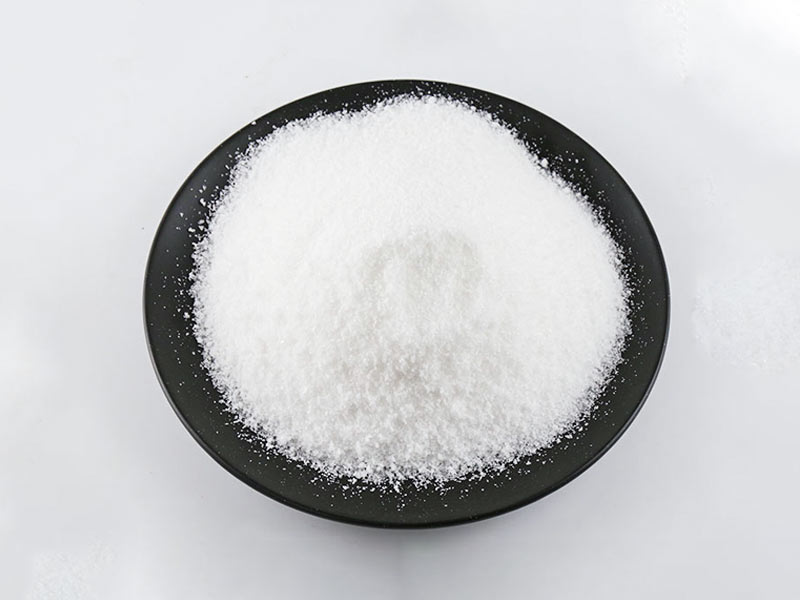
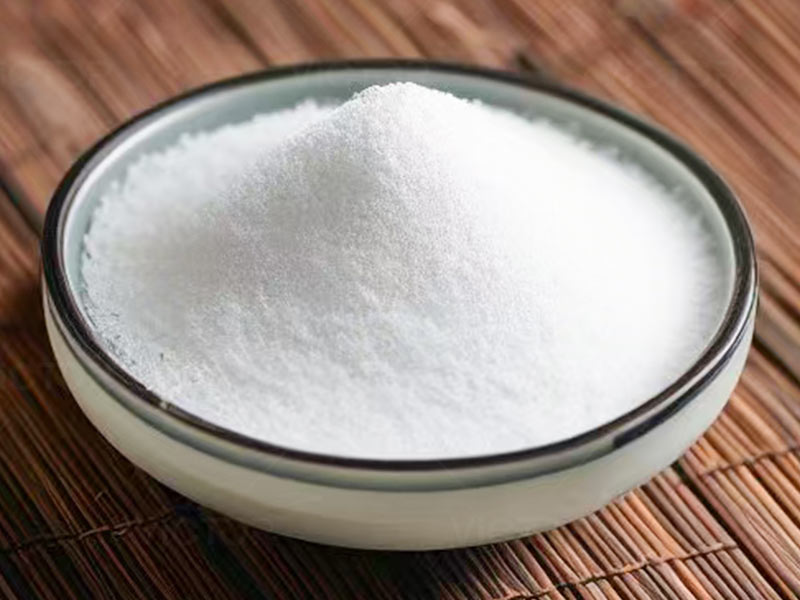
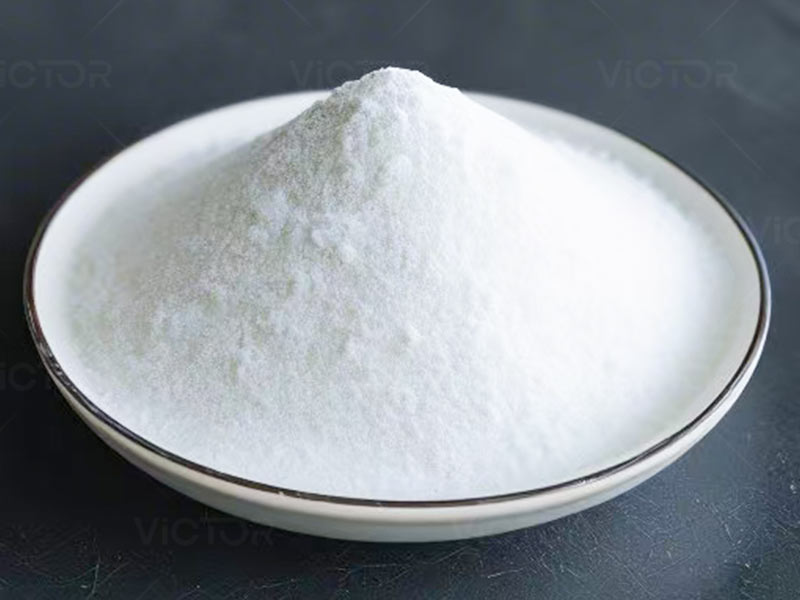
It is important to note that clumping directly impacts the efficacy of polyaluminium chloride. This issue typically arises because polyaluminium chloride is a high-molecular-weight polymer. When a large quantity is added to water at once during dosing, it becomes difficult to disperse and dissolve. It is widely recognised that a key factor in accelerating the dissolution rate of polyaluminium chloride is increasing its surface area. Powdered polyaluminium chloride dissolves rapidly precisely due to its extensive surface area. However, during dissolution, the inherent stickiness of many powdered products causes the outer, moister layers to envelop the drier inner layers, forming clumps. This reduces the contact area between the product and water. While the outer layer dissolves continuously, the inner polyaluminium chloride forms a new outer shell. This slows dissolution, significantly impairing the product's efficacy. To prevent clumping, polyaluminium chloride must be added to water in a uniform and measured manner.
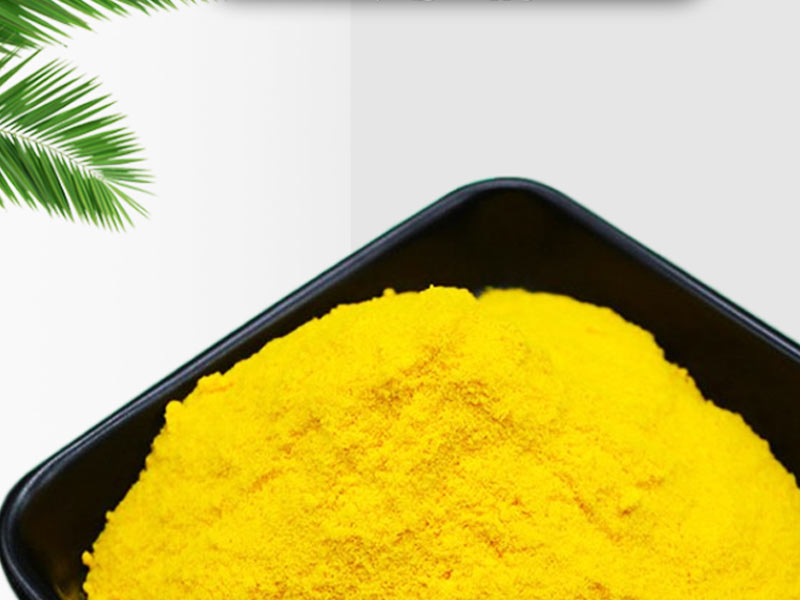
How can the slow dissolution rate of polyaluminium chloride be addressed? To accelerate dissolution, the temperature of the wastewater must first be determined. Typically, the alkalinity of polyaluminium chloride products ranges between 45 and 95. This alkalinity effectively promotes the sedimentation rate of flocculation. Since polyaluminium chloride itself improves coagulation when mixed with water, it can effectively treat water under low-temperature and low-turbidity conditions. However, when the purity of the polyaluminium chloride product is exceptionally high, it becomes difficult to achieve satisfactory precipitation results. Therefore, when using polyaluminium chloride, it is crucial to first ascertain its purity. This ensures that an appropriate concentration can be determined for the polyaluminium chloride product. With the correct concentration, the dissolution process will naturally accelerate flocculation and sedimentation.