As environmental protection gains greater prominence, demands on water quality have become increasingly stringent. Beyond requirements for wastewater discharge standards, drinking water specifications are subject to even more meticulous scrutiny. Consequently, various water purification chemicals have become indispensable solutions.
Throughout the industry,
polyaluminium chloride has consistently held a prominent position within water treatment applications. Product classifications vary according to different technical specifications. However, standards for these products also differ across various water treatment applications. It can be stated with confidence that polyaluminium chloride adheres to its own stringent production standards, manufactured in compliance with national regulations. Naturally, a minority of manufacturers struggle to meet these national standards due to inadequate production technology. Even so, their products are subject to industry standards or internal specifications. So what exactly are the standards for polyaluminium chloride?
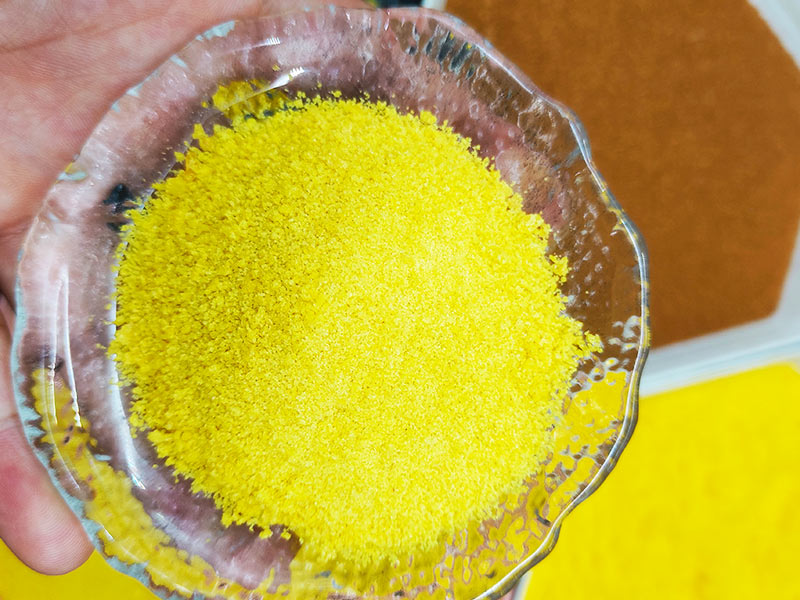
Depending on the application sector, polyaluminium chloride is categorised into industrial-grade and potable-water-grade variants. Industrial-grade products are manufactured according to the latest national standards, while potable-water-grade products adhere to the national standards specifically designated for drinking water applications. These differing standards manifest in distinct specifications and types. When discussing standards, the focus is typically on content specifications, specifically the aluminium oxide (Al₂O₃) content within the product. Generally, three tiers are recognised: One specification is 26%, another is 28%, and the final one is 30%. If our product meets any of these standards during testing, it is deemed compliant. In water treatment processes, heavy metal content is another critical factor. A clear requirement during treatment is that heavy metal levels in wastewater discharge must be below 0.1%. For potable water grade, heavy metal content must be below 0.004%. It appears that drinking water-grade standards are more stringent than those for industrial-grade products.
During the application of polyaluminium chloride products, we observe their large molecular structure and strong adsorption capacity. Compared to similar products, it requires lower dosage, effectively reducing water treatment costs. Simultaneously, its excellent solubility and high reactivity enable it to form large alum flocs efficiently in water, with rapid settling rates. Its performance is minimally affected by water pH and temperature, demonstrating remarkable efficacy in wastewater treatment. Its straightforward operation effectively alleviates labour intensity and improves working conditions, making it an invaluable asset in the water treatment field.