Nowadays, people are paying increasing attention to wastewater treatment. A wide variety of water purification chemicals are being employed in ever-growing numbers. Examples include polyaluminium chloride, polyaluminium ferric chloride, polyacrylamide, and so forth. Take polyaluminium, for instance – it has numerous classifications. Consequently, many people have questions regarding spray-dried polyaluminium chloride.
When employing
spray-dried polyaluminium chloride, many find the dissolution process troublesome and wish to add it directly to water for treatment. However, it must be noted that while spray-dried products can be used directly, this approach increases consumption. Direct addition to water causes suspended solids to form, leading to flocculation and sedimentation. This may lead to equipment blockages. Moreover, the dosage required is two to three times that of the dissolved product. While direct addition to water appears simpler and more convenient, it ultimately increases operational costs. Consequently, using it directly for water treatment is not cost-effective.
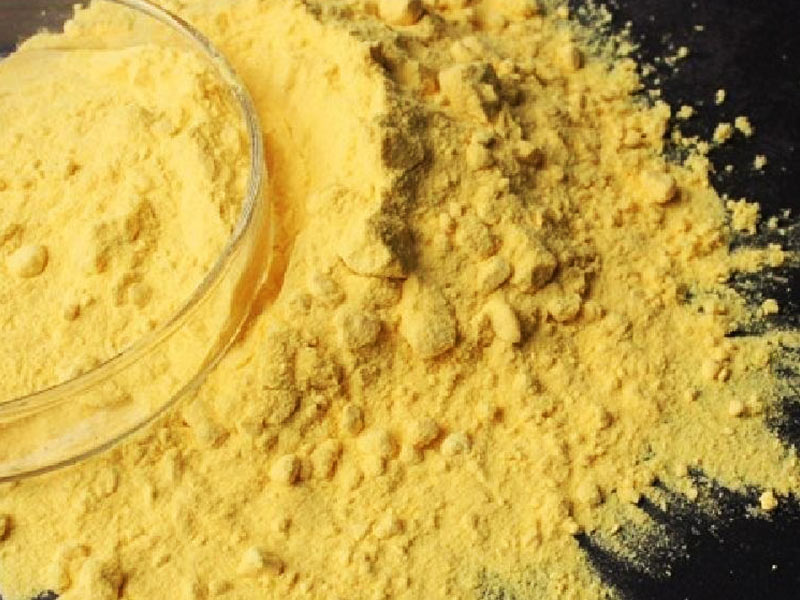
Spray-polymerised aluminium chloride is a highly efficient inorganic polymer flocculant. It offers advantages such as low dosage requirements, large flocs, and excellent decolourisation and suspended solids removal capabilities. It effectively treats water through mechanisms including double-layer compression, adsorption-electrolytic neutralisation, adsorption bridging, and sedimentation entrapment. It is a rare and valuable water treatment chemical. Product selection based on content can be tailored to different application scopes. In wastewater treatment, drum-processed variants remain more prevalent. Spray-dried products are primarily employed for potable water purification. In terms of composition, spray-dried variants exhibit higher aluminium oxide content and lower insoluble matter levels.
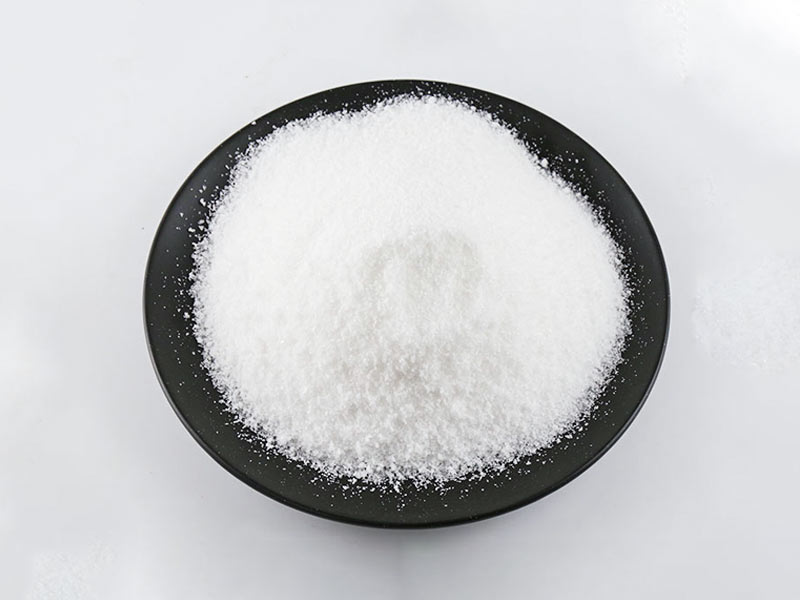
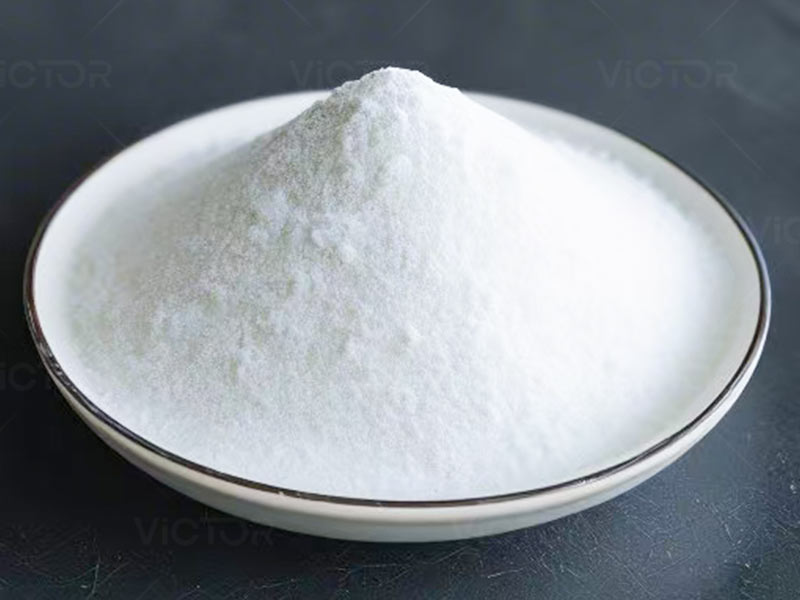
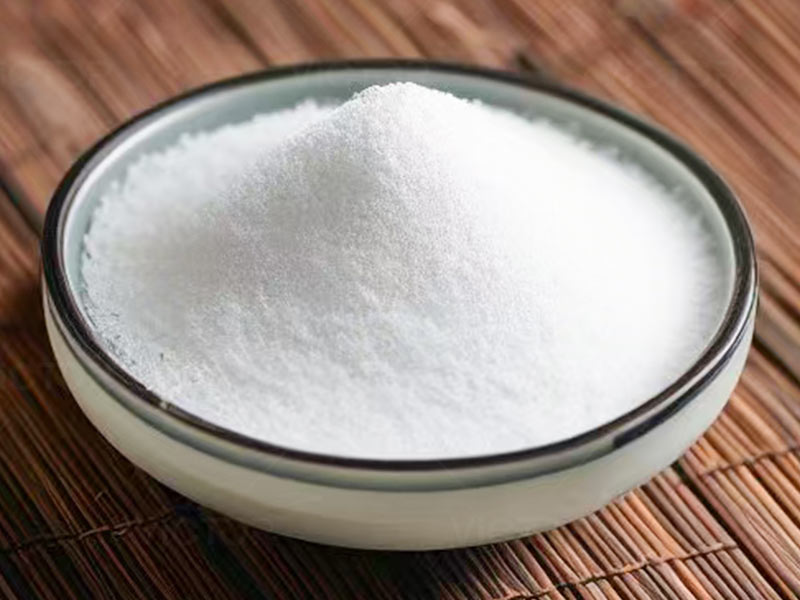
Owing to the inherent characteristics and advantages of spray-dried polyaluminium chloride, the product typically presents as white in colour. Pressure-processed variants predominantly manifest as porous or hollow microgranules. Dust-free and smooth, it achieves faster water treatment rates than other products. Though relatively expensive, it exhibits quicker hydrolysis among comparable products. Highly soluble in water with minimal hydration, it forms dense flocs. It settles rapidly with minimal temperature influence and effectively removes mixtures of aluminium ions and aluminium salts from water. Suitable for treating wastewater across diverse sectors including domestic sewage, potable water, and industrial effluents. For equivalent water quality, spray-dried products require half the dosage of alternatives. Particularly effective for highly contaminated water sources. Reduces labour intensity while lowering operational costs. Crucially, even over-dosage of spray-dried products does not cause pollution incidents. This prevents accidents, ensuring safe and effective water treatment.