The selection of appropriate chemicals is crucial for achieving effective wastewater treatment outcomes. The efficacy of treatment chemicals depends on factors such as wastewater concentration, discharge standards, and the treatment process employed. These aspects warrant particular attention. Therefore, the choice of water purification chemicals is of paramount importance. How does one select a suitable and highly efficient water purification chemical?
Generally, commonly used water purification chemicals are categorised into inorganic flocculants, organic flocculants, and polymeric flocculants. The selection of flocculants should be based on the type and quantity required for treatment. Even for different types of wastewater, the choice should prioritise minimal dosage and economic efficiency. When the treatment effect of a single flocculant is unsatisfactory, the addition of coagulation aids or the combination of two chemicals may be employed for wastewater treatment. Polymerised aluminium chloride (PAC) is a highly efficient inorganic polymeric flocculant. Through polymerisation, it generates high-molecular-weight, highly charged molecules. It is suitable for water purification within a pH range of 5-9 and can be applied to various industrial effluents, municipal sewage treatment, as well as textile dyeing and papermaking wastewater.
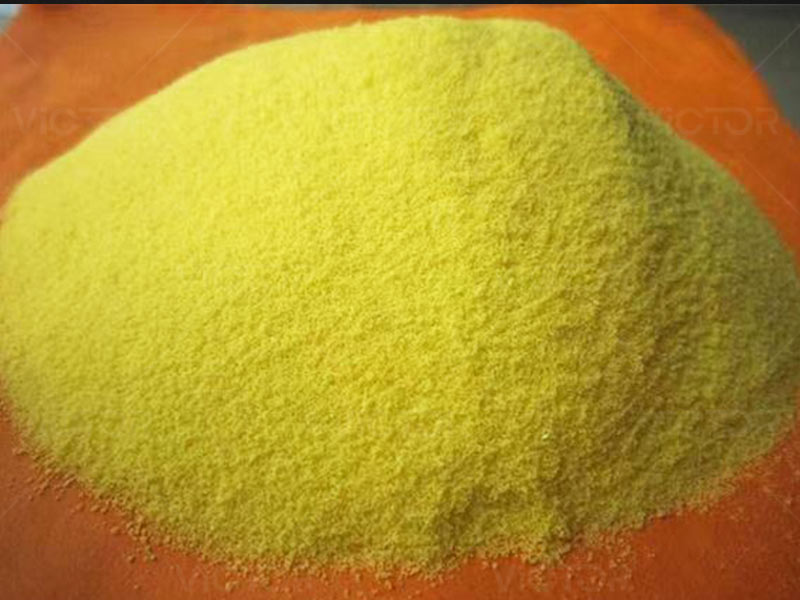
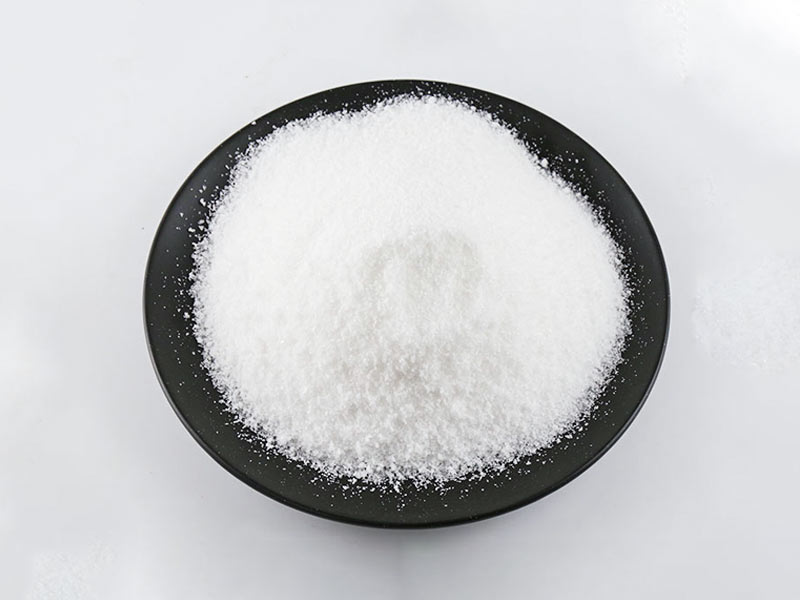
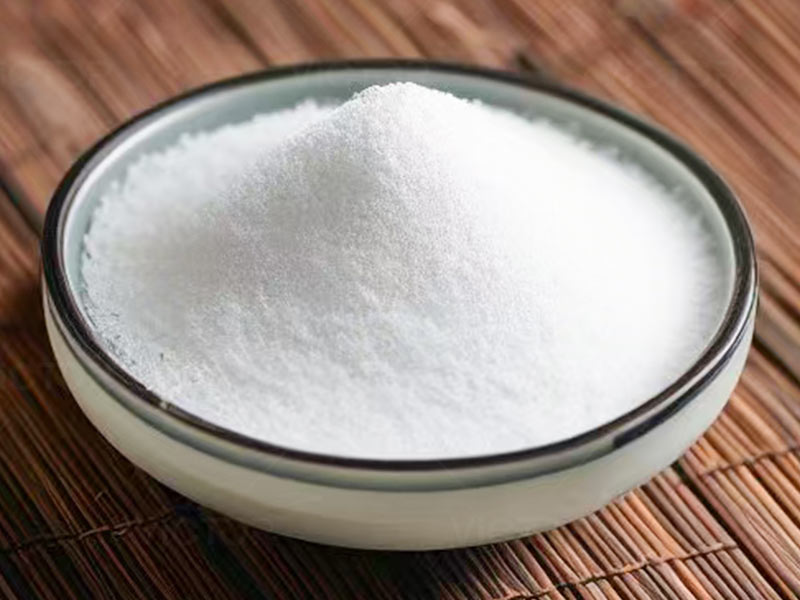
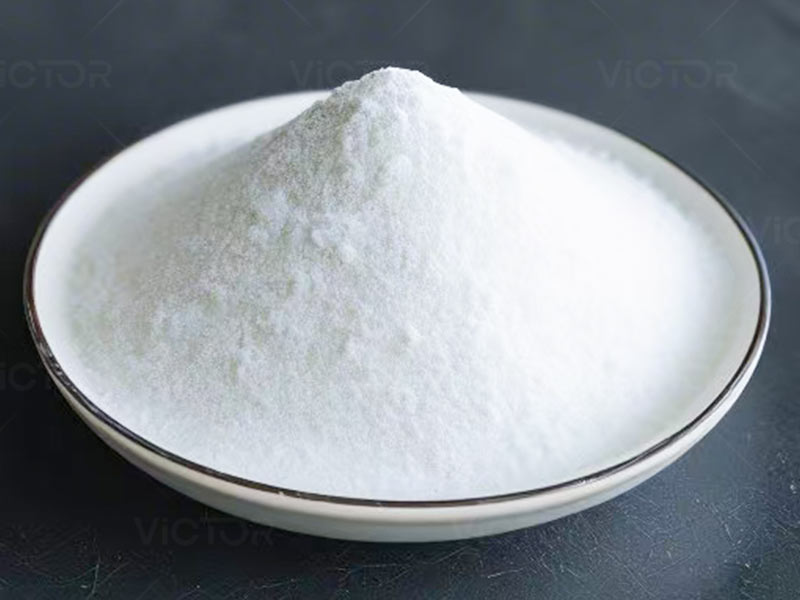
What are the characteristics of polyaluminium chloride products? The molecular structure of polyaluminium chloride is substantial. It possesses strong adsorption capacity while requiring minimal dosage, resulting in low treatment costs. Additionally, it exhibits excellent solubility and high reactivity, readily forming compact flocs in water bodies with rapid settling rates. Compared to other inorganic flocculants, it demonstrates superior purification capacity and strong adaptability. Performance may be influenced by water pH and temperature. Particularly when source water meets national potable water standards, treated water exhibits low ion content, favouring ion exchange processes. Poly Aluminium Chloride exhibits low corrosivity and straightforward operation, facilitating optimisation of dosing procedures and reducing labour intensity.
Under normal conditions, the dosage of
Polyaluminium Chloride ranges from 20-50 mg/L. However, note that solid polyaluminium chloride must be dissolved before use. Should uneven dosing occur, dilution is advisable prior to application. Considering these characteristics, polyaluminium chloride emerges as a highly efficient and versatile water purification product.