With the growing awareness of environmental protection,
polyaluminium chloride products have found widespread application across numerous industries. Today, it has undeniably become a relatively significant chemical product. As is widely known, all chemical products possess a certain degree of toxicity. Simultaneously, they can be highly irritating and hazardous to human health. So today, let us examine whether Zeju Poly Aluminium Chloride products are indeed toxic.
Those who have used polyaluminium chloride products understand that, under normal circumstances, it is non-toxic. However, it does possess certain irritant properties and can cause harm to human skin and mucous membranes. Therefore, upon contact with polyaluminium chloride, it is essential to rinse the affected area thoroughly with clean water multiple times. In severe cases, prompt medical attention at a hospital is required.
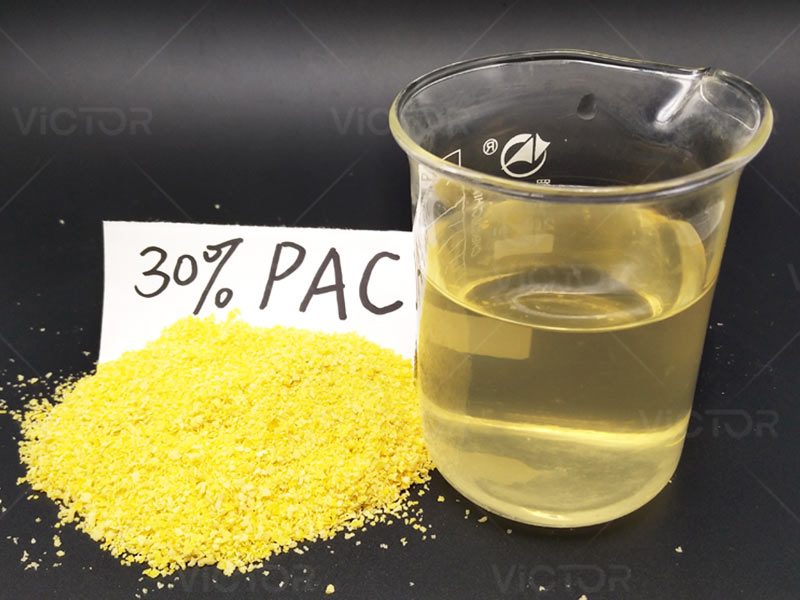
The toxicity of polyaluminium chloride primarily stems from the aluminium ions within it, which are heavy metal ions. These heavy metal ions can harm the human body by affecting brain development. In severe cases, they may lead to anaemia, premature ageing, and mental dullness. However, under normal usage conditions, polyaluminium chloride does not cause significant harm to humans. Additionally, polyaluminium chloride products may cause harm to plants. The aluminium within the compound inhibits plant growth, while aluminium toxicity can damage plants in acidic soils. Furthermore, aluminium ions in polyaluminium chloride exhibit certain toxic effects on microorganisms. At low concentrations, they may stimulate growth, whereas higher concentrations can inhibit it. Particular attention must be paid to this in daily use.
Is polyaluminium chloride, being a chemical product with inherent toxicity, safe for use? While polyaluminium chloride possesses toxicity, it is minimal. Moreover, high-concentration polyaluminium chloride contains very few impurities. When used for water treatment, it complies with national standards, particularly the 30% high-concentration variant. The purification process requires multiple sedimentation and filtration stages. Following multiple filtration stages, harmful residues from the polyaluminium chloride agent are virtually non-existent or present only in trace amounts. This poses negligible risk to human health. In summary, accidental ingestion of polyaluminium chloride necessitates prompt medical attention. However, water purified using polyaluminium chloride products is harmless to people, so excessive concern is unnecessary.