Whether in work or daily life, many people constantly strive for a better lifestyle and more efficient working methods. The process of wastewater treatment follows the same principle. As people's demands for their living environment continue to rise, so too do the requirements for wastewater treatment. Numerous chemical agents can be employed in water treatment processes, with polyaluminium chloride and
polyacrylamide being two prominent examples. So, in the context of wastewater treatment, which proves more effective: polyaluminium chloride or polyacrylamide?
First, let us examine the characteristics of polyaluminium chloride and polyacrylamide. Comparatively, polyacrylamide carries a slightly higher price tag than polyaluminium chloride products. However, in the current context of wastewater treatment, polyacrylamide requires a smaller dosage. Overall, for a given tonne of water, polyacrylamide requires significantly less chemical dosage. Whilst the unit price of polyaluminium chloride is lower, its consumption per tonne of water is considerably higher. Consequently, the total cost of using polyaluminium chloride tends to be slightly higher.
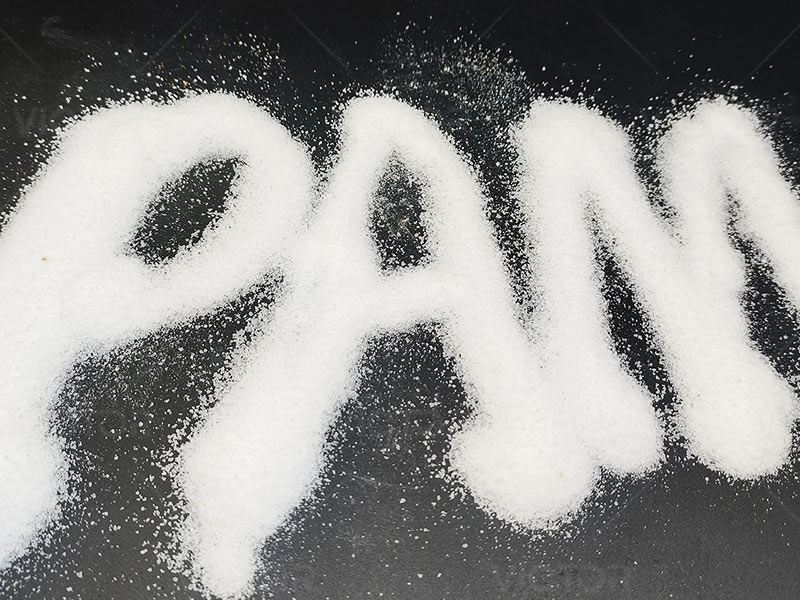
What distinguishes polyaluminium chloride from polyacrylamide in water treatment? Polyacrylamide products are primarily employed in industrial water treatment, encompassing raw water treatment, sewage treatment, and industrial water processing. In raw water treatment, polyacrylamide is chiefly employed for clarification. Within industrial water treatment, it functions primarily as a formulation agent. This is because polyacrylamide products are frequently utilised as supplementary agents in municipal water supply systems or when water quality is suboptimal. Poly aluminium chloride products, however, differ significantly. They boast a broader application scope and wider adaptability. It readily forms substantial flocs rapidly and exhibits favourable sedimentation properties. It remains effective across a broad pH range. As water temperature decreases, it maintains relatively stable sedimentation performance. It also possesses higher alkalinity and exhibits minimal corrosiveness to equipment. It should be noted, however, that in practical water treatment applications, the combined use of polyacrylamide and polyaluminium chloride yields superior treatment outcomes.
The above outlines the differences between polyaluminium chloride and polyacrylamide products in routine water treatment applications. Selection should be based on specific operational requirements. Generally, however, the combined use of polyacrylamide and polyaluminium chloride in water purification agents offers the most favourable balance of efficacy and cost.