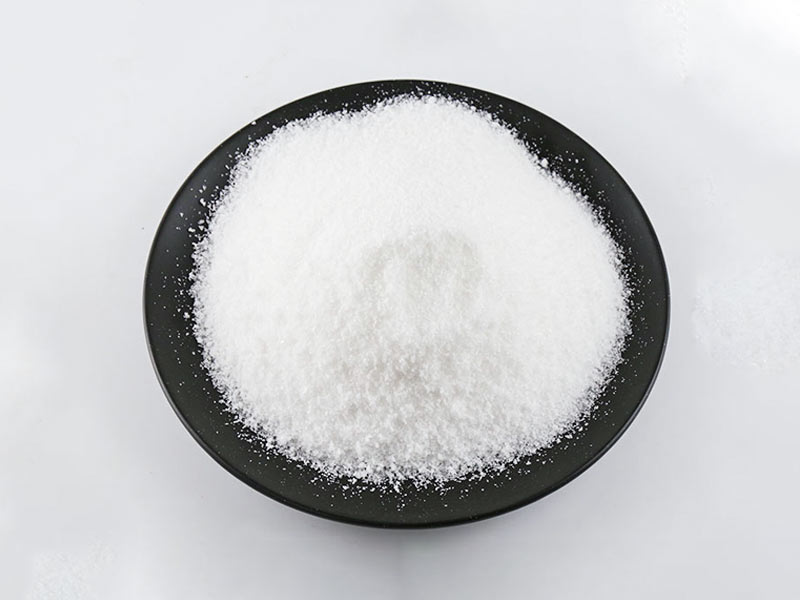
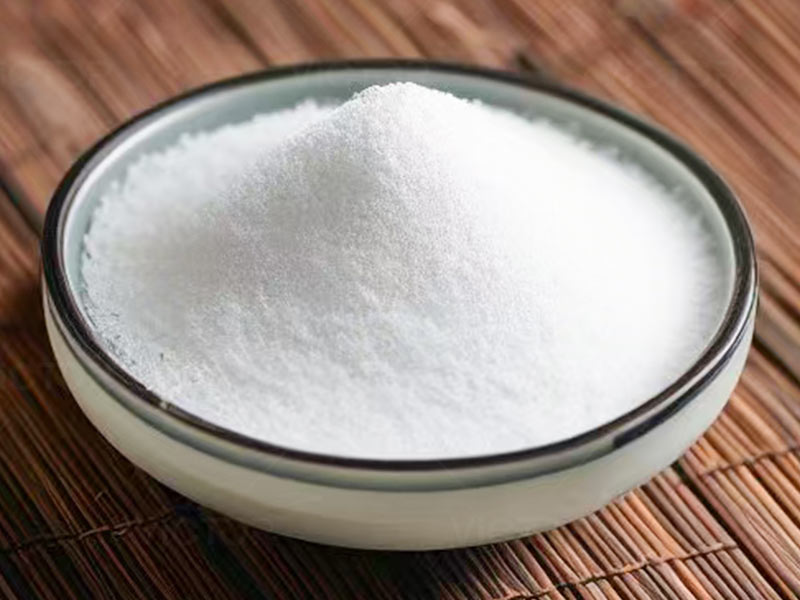
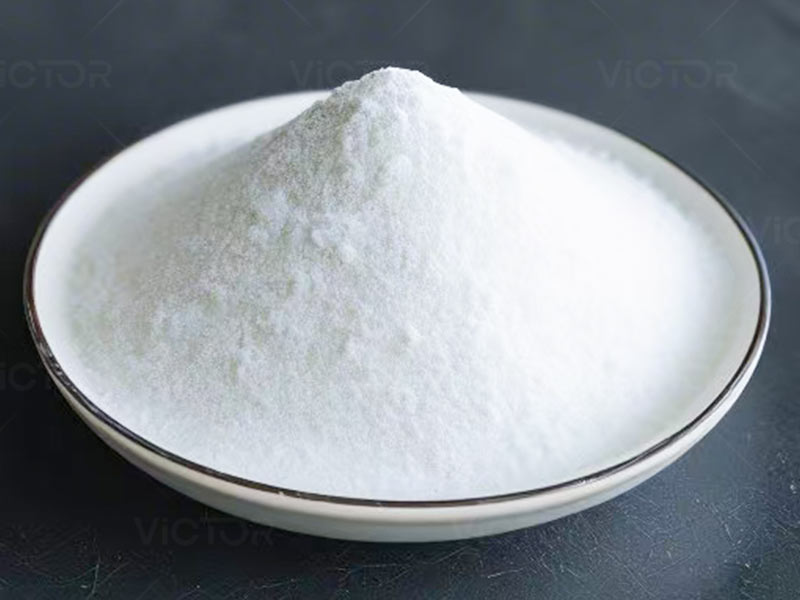
Polyaluminium chloride products are categorised into several grades based on their content. Once deployed, determining their exact concentration proves rather challenging. Today we shall discuss how to ascertain the content of polymerised aluminium chloride products already in use!
The content referred to in polymerised aluminium chloride denotes its aluminium oxide (Al₂O₃) concentration. The testing procedure is not overly complex. Weigh the furnace slag, then wash and filter it. Subsequently, add the wash solution to the mixture. Introduce a substantial quantity of hydrochloric acid solution to precipitate and dissolve the material. Add ammonia solution to the filtrate until no further precipitation occurs. Filter out the precipitate and rinse it with deionised water. At this stage, obtain the thoroughly dried precipitate for weighing. Calculate the percentage content using the formula. Multiple testing methods exist, though variations in results are minimal.
Beyond content determination, polyaluminium chloride products frequently encounter insoluble matter issues during water purification. This stems from the typically complex raw materials used in production. High alumina leaching rates can lead to insoluble matter resisting precipitation. Generally, when insoluble matter proves difficult to settle, natural sedimentation may be employed, though this requires considerable time. It also necessitates adequate space and a large settling tank. Filtration via plate-and-frame filter presses is another option. However, this method entails high investment costs and significant expenses, potentially increasing overall costs. In such instances, adding polyacrylamide flocculants may be selected. Careful control of dosage is essential, but the results can be highly effective.
For controlling the dosage of polyaluminium chloride products, on-site simulation methods are recommended. Commonly used simulation apparatus includes inclined tubes and filters. When raw water turbidity is low, simulation filters may suffice. For higher turbidity, inclined tubes combined with filters are preferable. During operation, a small water sample may be extracted into the filter to determine turbidity. This allows assessment of whether the chemical dosage is appropriate. Alternatively, beaker testing may be employed. However, this method only provides results for instantaneous water samples and serves as an auxiliary means for evaluating polyaluminium chloride dosage. It is unsuitable for real-time control of polyaluminium chloride dosage.