Today's society places ever-increasing demands on quality of life. Consequently, more people are beginning to prioritise wastewater purification. In this process,
polyaluminium chloride (PAC) products play a significant role. So how exactly does PAC improve water quality? Let us explore this together!
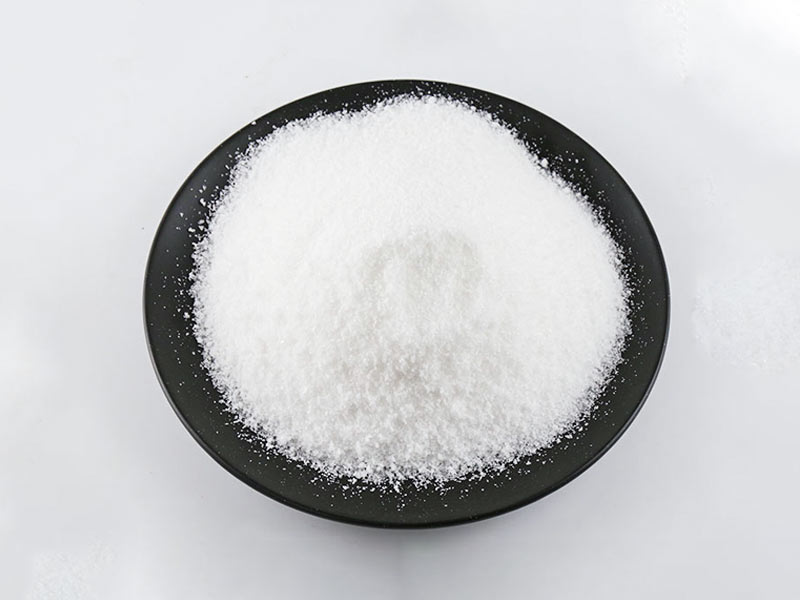
Indeed, extensive evidence from practical applications demonstrates that polyaluminium chloride can replace traditional salt and aluminium salt coagulants as an effective water purification agent. It not only reduces costs but also enhances water quality. As an emerging water treatment material, polyaluminium chloride is an inorganic polymer flocculant. Colour variations include white, yellow, and brown. Different coloured PAC products exhibit significant differences in application scope and production techniques. Among these, white PAC products are considered superior in quality.
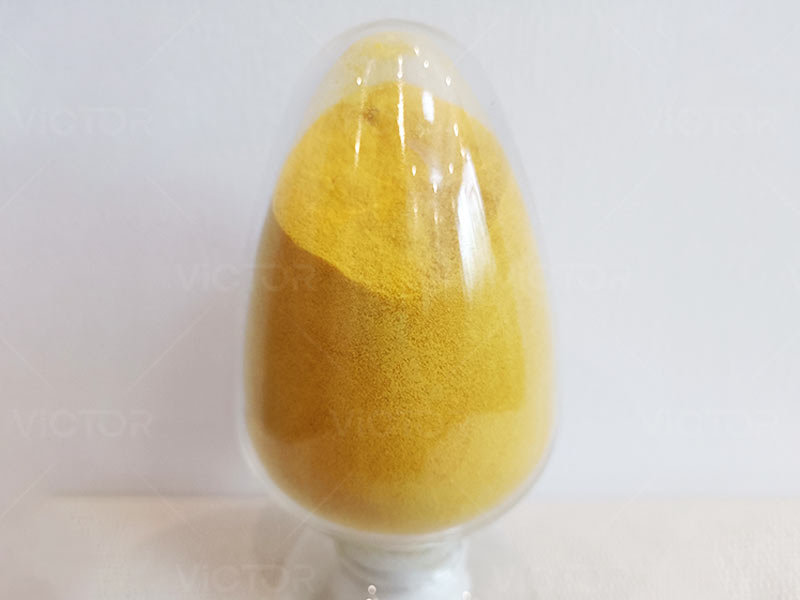
Given PAC's adsorption, coagulation, and sedimentation capabilities, its stability is somewhat limited. It also possesses some corrosive properties; accidental skin contact requires immediate thorough washing. Furthermore, polyaluminium chloride exhibits broad adaptability across water bodies. It hydrolyses rapidly, possesses strong adsorption capacity, and demonstrates excellent dehydration properties. Consequently, it has become the preferred choice for industrial water purification. Its efficacy is particularly pronounced in treating highly turbid waters and low-temperature, low-turbidity water sources.
Presently, improving water quality has become an urgent matter. Effectively treating pollution and enhancing water sources represent the fundamental solutions. Due to its potent flocculation properties, polyaluminium chloride demonstrates significant efficacy in decolourisation and contaminant removal. Moreover, it achieves superior purification results compared to other coagulants under identical conditions, yielding more favourable treatment outcomes. Furthermore, polyaluminium chloride markedly enhances solid-liquid separation and sedimentation properties. This effectively reduces sedimentation retention time and increases water yield. From this perspective, employing polyaluminium chloride products for water purification represents a currently favourable choice. It should be noted that wastewater composition varies across different manufacturers. Consequently, application must be tailored to local conditions. Under normal circumstances, it is advisable to first engage technical personnel for water sample analysis before determining the appropriate dosage when using polyaluminium chloride products. Without a configured dosage, indiscriminate addition should be avoided to prevent economic losses.