Selecting the appropriate
polyacrylamide product is crucial during water treatment processes. Choosing the correct grade not only ensures effective purification of wastewater but also reduces consumption, significantly cutting costs. So what should be considered when selecting a grade?
Many assume that higher molecular weight polyacrylamide yields superior flocculation results, yet this is not necessarily the case. It must be noted that polyacrylamide products come in numerous grades. Moreover, the nature of wastewater generated by different enterprises varies considerably. Some are acidic, some alkaline, some contain substantial organic matter, and so forth. The circumstances are diverse. Therefore, no single grade of polyacrylamide product can resolve all issues or effectively treat all types of wastewater. Achieving optimal results necessitates conducting trials.
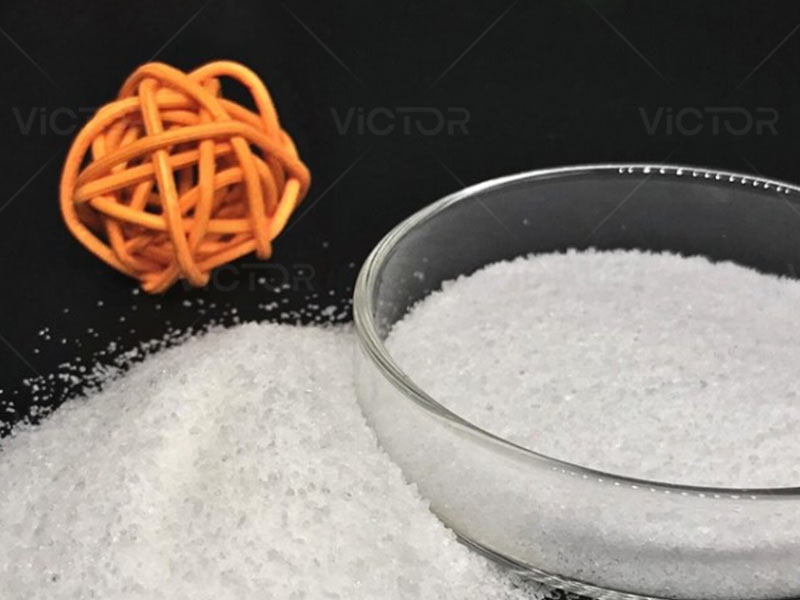
For polyacrylamide products, molecular weight and ionisation degree are two crucial indicators. Ionisation degree indicates the charge density of the polyacrylamide product. A higher ion degree correlates with a lower molecular weight. However, increased ion degree also elevates product cost, as it influences both the flocculation density and moisture content of the product. Consequently, determining the appropriate polyacrylamide grade for water treatment necessitates experimental validation.
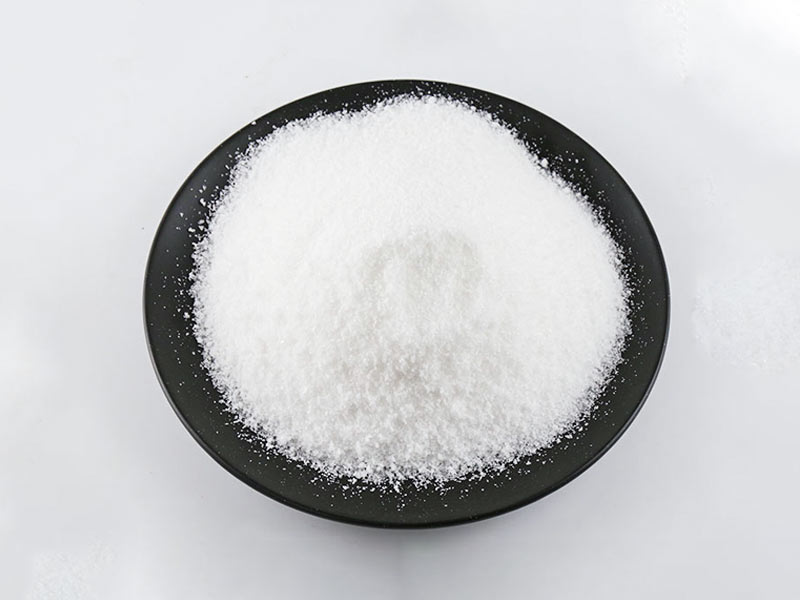
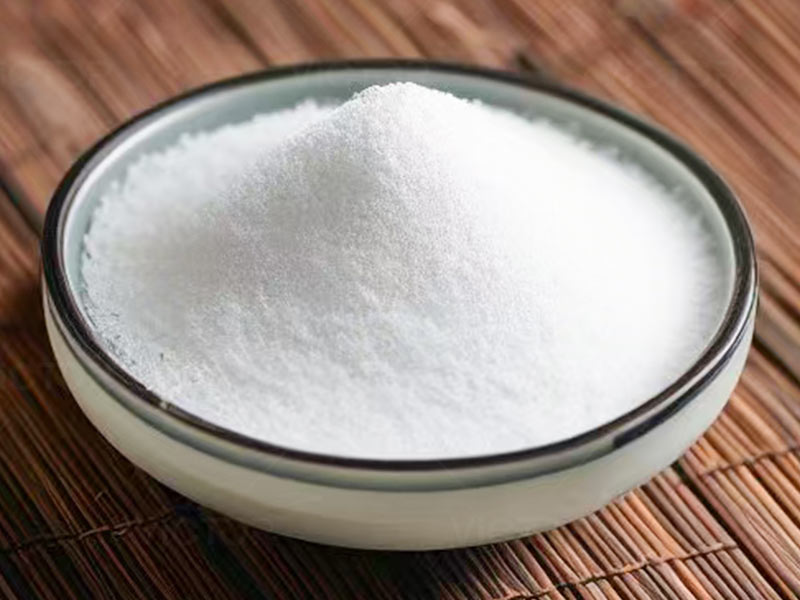
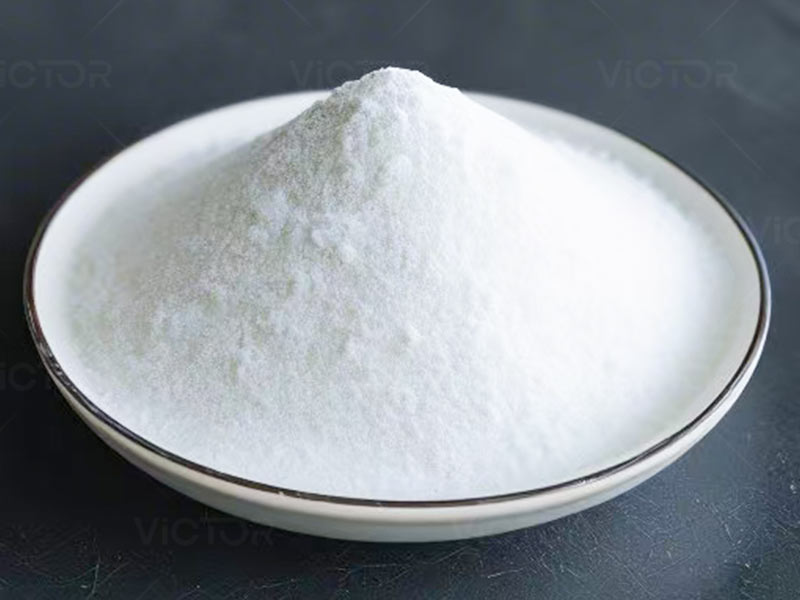
It should be noted that prolonged stirring is not necessarily beneficial during polyacrylamide application. Typically, polyacrylamide products appear as white granular solids with a particle size between 60 and 80 mesh. Thorough dissolution and agitation are essential during use, with a minimum mixing time of thirty minutes. In winter conditions, this dissolution and agitation period should be extended. This prevents inadequate dissolution due to insufficient mixing time, which would hinder the product's ability to rapidly and effectively flocculate within wastewater. The typical preparation concentration for polyacrylamide is 0.1%–0.3%. This concentration must be tailored precisely to the characteristics of the wastewater and sludge. Should the wastewater contain a high level of impurities, the polyacrylamide concentration should be increased accordingly. However, excessively high concentrations may directly compromise the effectiveness of the wastewater treatment process. Therefore, thorough experimentation is essential to determine the optimal dosage.