During the water purification process,
polyaluminium chloride (PAC) proves to be a highly effective water treatment chemical. It offers low cost and abundant availability, with its primary advantage being excellent water treatment efficacy. Presently, whenever water treatment is required, polyaluminium chloride is the chemical most readily considered.
What advantages does polyaluminium chloride possess? It exhibits excellent stability, is suitable for a broad range of water bodies, and undergoes rapid hydrolysis. It swiftly forms large flocs to adsorb impurities and achieves rapid sedimentation. Consequently, many professionals prioritise polyaluminium chloride products for water treatment.
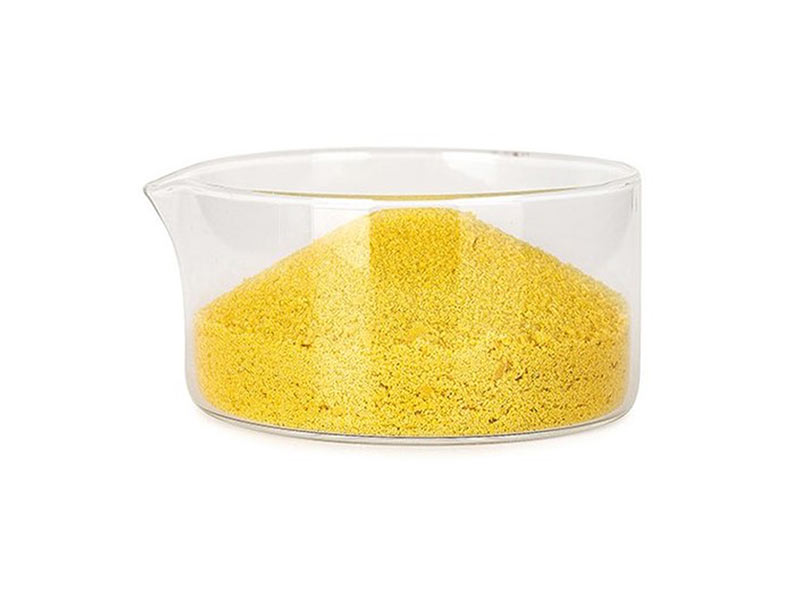
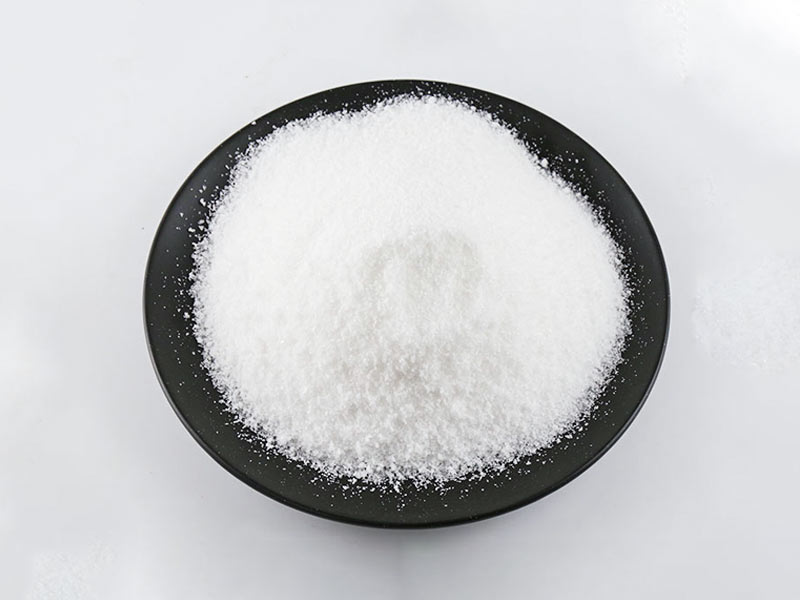
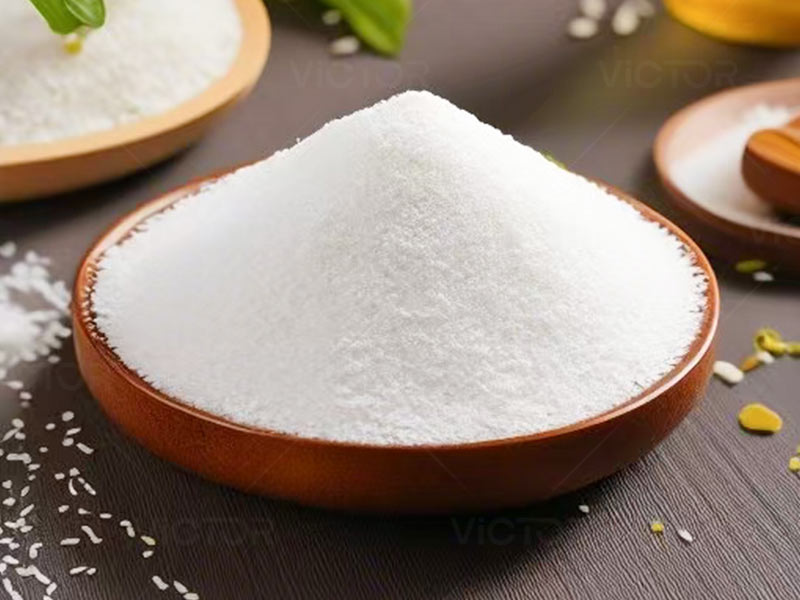
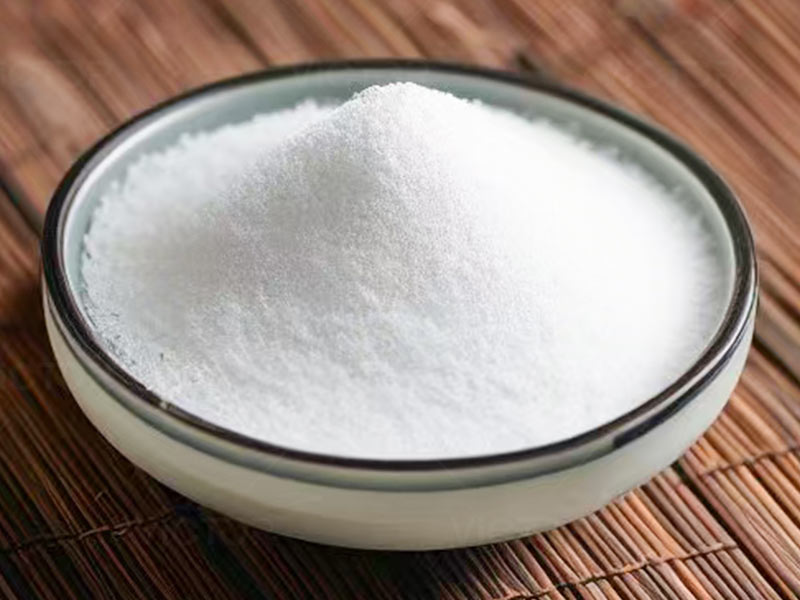
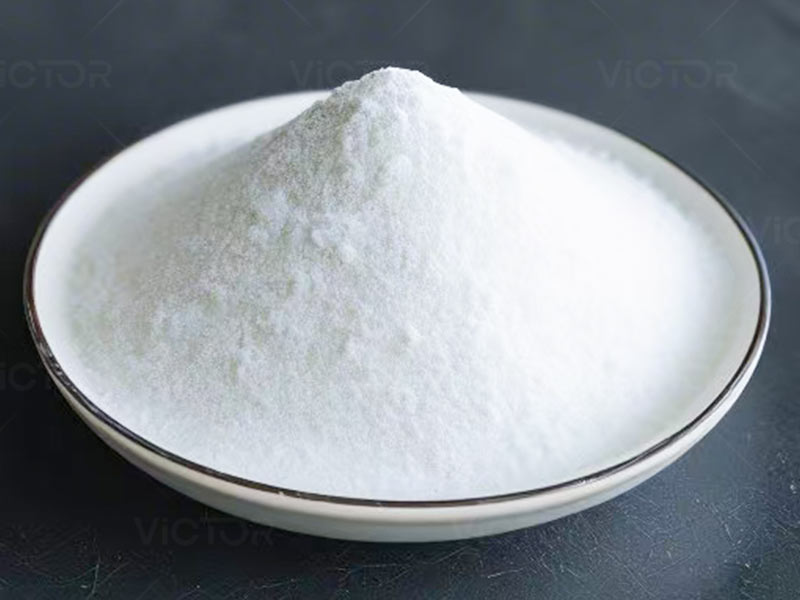
Polymerised aluminium chloride represents an emerging water purification agent. Different colour variants serve distinct applications. Typically, these are categorised as white, yellow, or brown. Significant differences exist in production processes and technical procedures between these colours, reflecting their varied usage scenarios. White polymerised aluminium chloride products are generally produced via spray drying. Consequently, they are predominantly employed within the food industry and may also function as additives. Golden-coloured polyaluminium chloride products also employ spray-drying production techniques. However, this colour variant is primarily utilised for purifying water intended for drinking purposes. Lastly, brown or earth-coloured polyaluminium chloride products predominantly utilise drum-based production processes. Consequently, these are chiefly employed for flocculation and sedimentation in industrial water treatment.
Regarding the application of polyaluminium chloride products, manufacturers are advised to conduct thorough experimental testing prior to dosing, particularly during winter and summer seasons. Temperature significantly impacts the efficacy of polyaluminium chloride products, making pre-use trials essential. Beyond dosage considerations, attention must be paid to the nature of the water being treated, ideally specifying the industrial source of the wastewater. It is important to recognise that no water quality is inherently untreatable. By thoroughly understanding the water quality issues and applying targeted solutions, optimal purification results can be achieved. Key factors include water temperature, hydrogen ion concentration, impurities and sedimentation, aluminium oxide content (the primary component of polyaluminium chloride), and overall water quality. These factors directly influence the efficacy of Zeseng's polyaluminium chloride products. Therefore, it is advisable to conduct an on-site trial before determining the dosage. This approach ensures the most reliable treatment outcome.