The application scope of
polyacrylamide in wastewater treatment is becoming increasingly extensive, with its usage scenarios multiplying. However, many harbour doubts: can polyacrylamide products be directly added to wastewater treatment systems? Here is the definitive answer you ought to be aware of.
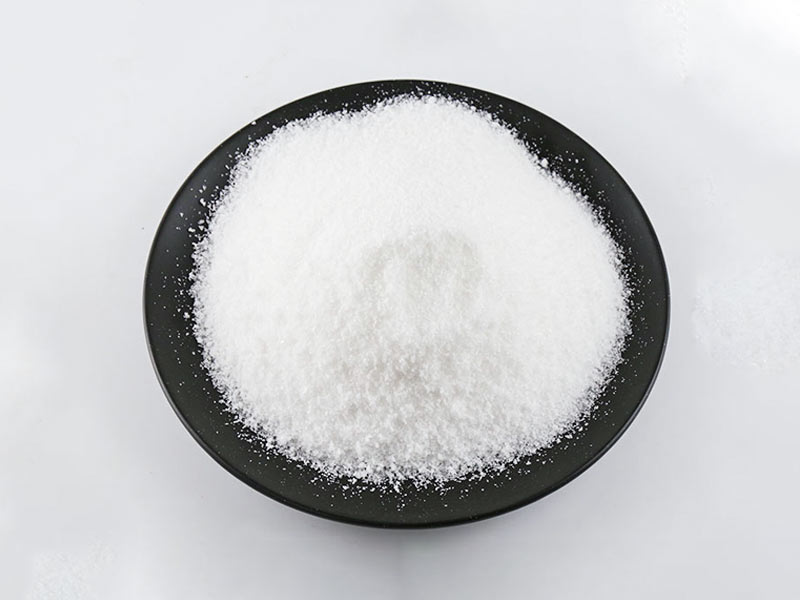
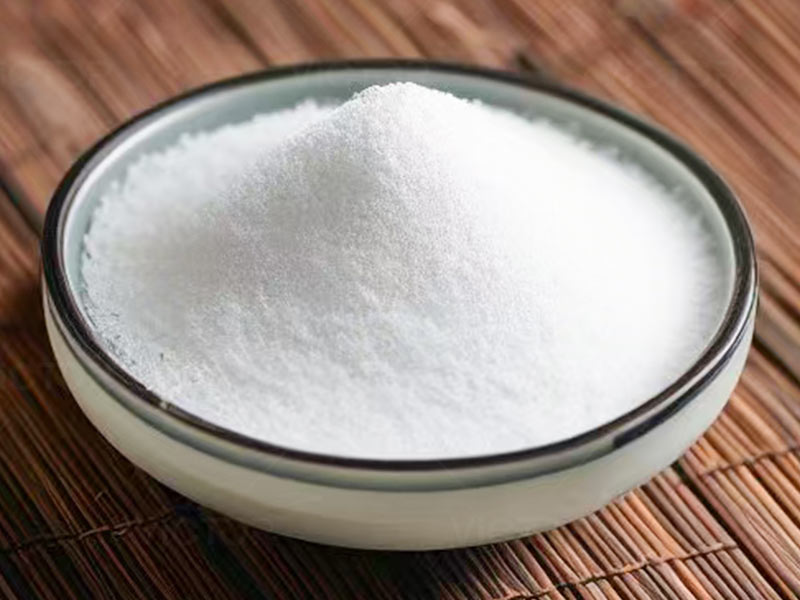
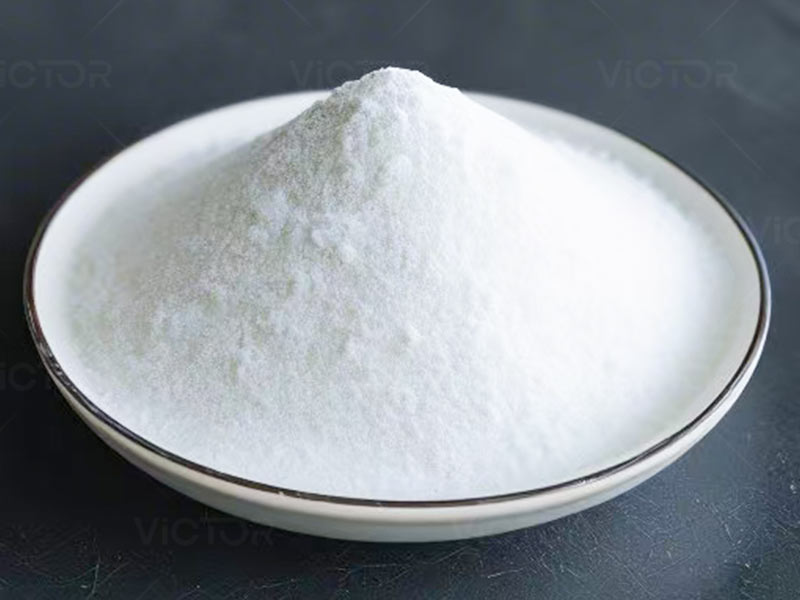
Polyacrylamide, particularly in powder or granular form, cannot be directly added to wastewater for purification. Prior to use, polyacrylamide products must be dissolved. The resulting solution is then employed for wastewater treatment. Why cannot it be added directly?
Polyacrylamide requires clean water, such as tap water, for dissolution. Wastewater is absolutely unsuitable. No heating is necessary during dissolution. Room temperature is sufficient. Water temperatures below 5°C will significantly slow dissolution. While higher temperatures may accelerate dissolution, exceeding 40°C will hasten the polymerisation of the polyacrylamide, compromising its efficacy. Therefore, tap water at room temperature is the appropriate choice for dissolution. Generally, tap water is suitable for dissolving most polymers. However, it is unsuitable for acidic, alkaline, or highly basic products. It is important to note that the concentration of polyacrylamide during dissolution must be appropriate. The standard guideline is to add 1-3 grams of polyacrylamide per litre of water. Concentration must be carefully controlled – neither excessive nor insufficient. Excessive amounts may lead to poor degradation and cost wastage. Insufficient quantities, conversely, may result in suboptimal water treatment efficacy.
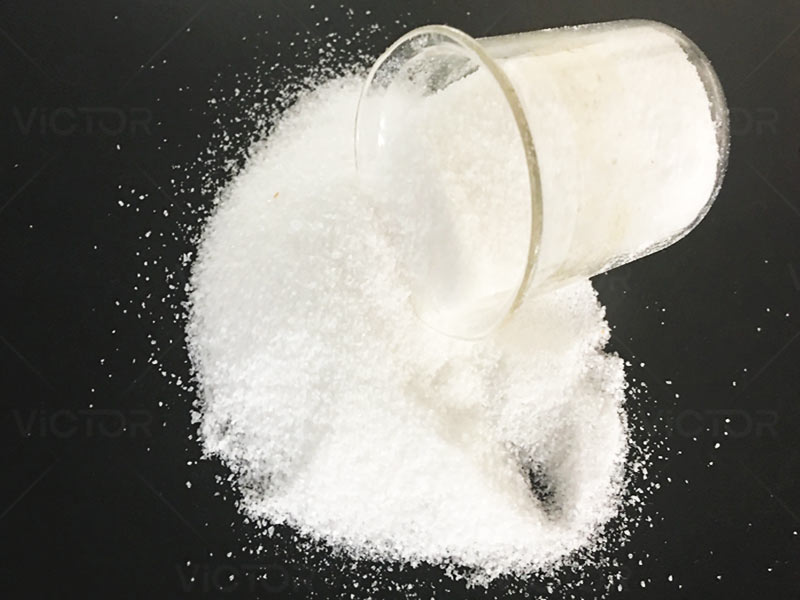
When dosing polyacrylamide, external factors warrant consideration. Should the polymer exhibit favourable molecular weight, a more dilute preparation is recommended. For smaller mixing vessels, increasing dosage to achieve a higher concentration is advisable. Where equipment limitations hinder dispersion, opting for a slightly more dilute formulation is suggested. In summary, excessive concentration during polyacrylamide preparation increases motor load on equipment. It also impairs dispersion within the treatment system, compromising efficacy. A more dilute solution enhances performance, yet excessive dilution diminishes water treatment effectiveness. This directly impacts user experience and may increase operational costs.