

Newstime:2025-03-09 Source:Polyacrylamide
Polyaluminium chloride is an inorganic polymeric coagulant. It is known by numerous names in everyday usage, such as composite polymerised aluminium chloride, basic aluminium chloride, coagulant, and water purifier.
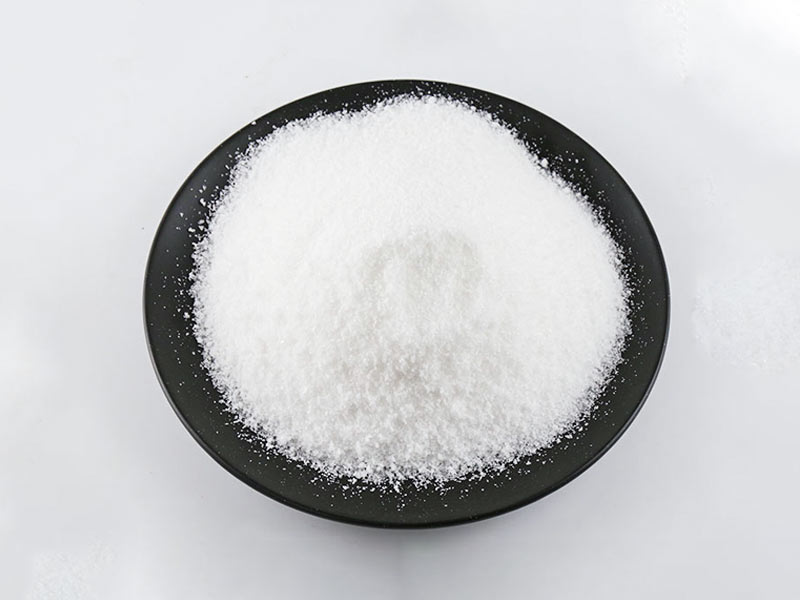
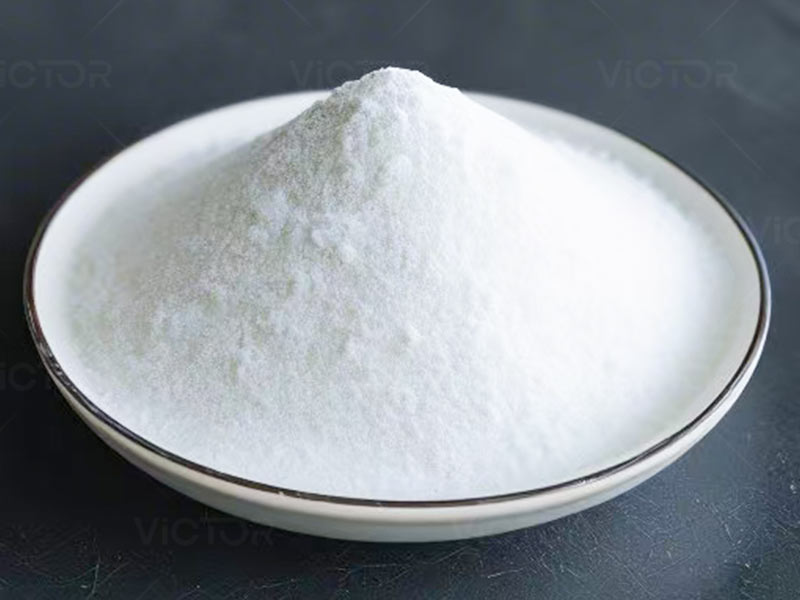
The polyaluminium chloride we commonly encounter exists in both solid and liquid forms. The solid variety is further categorised by colour into three types: brownish-red, yellow, and white. Polyaluminium chloride of different colours exhibits significant differences in its applications within production and daily life, as well as in its production techniques. Its structure comprises multi-element complexes of varied forms. It possesses rapid flocculation and sedimentation properties. Its suitable pH range is broader than that of comparable water purification agents. It exhibits no corrosive effects on pipeline equipment and delivers pronounced water purification efficacy. It effectively removes colour, suspended solids (SS), chemical oxygen demand (COD), biochemical oxygen demand (BOD), arsenic, mercury, and other metal ions from water. Polyaluminium chloride products are extensively employed in drinking water, industrial water, and wastewater treatment sectors.
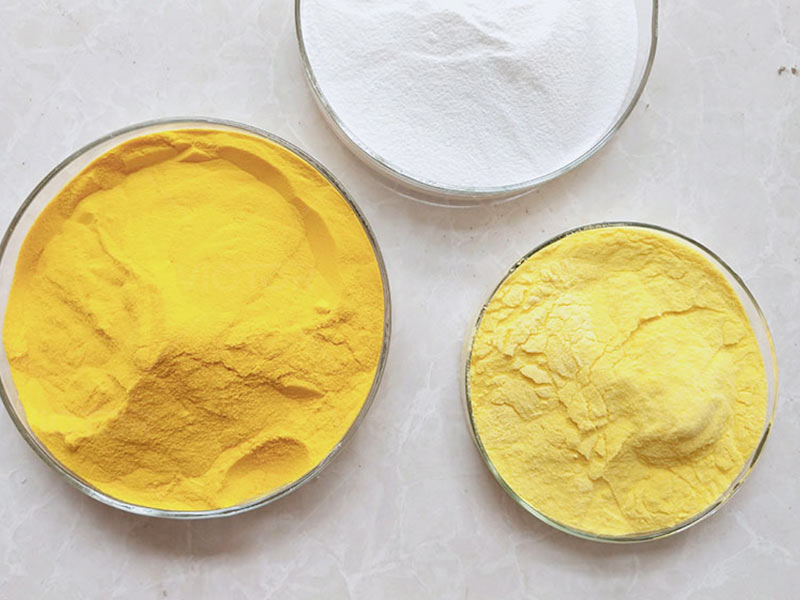
The production processes for polyaluminium chloride primarily include the following types: drum-type polyaluminium chloride, plate-and-frame polyaluminium chloride, and spray-dried polyaluminium chloride. Drum-type polyaluminium chloride generally has a lower aluminium content and higher water-insoluble matter, leaving no harmful aluminium residues in water. It is predominantly used in wastewater treatment. Plate-and-frame PAC exhibits low water-insoluble content with minimal residue retention in water, making it suitable for both wastewater and potable water treatment. Spray-dried PAC contains higher aluminium concentrations with low water-insoluble matter and rapid dissolution rates. Its flocculation properties prevent aluminium residue retention, rendering it ideal for drinking water and higher-standard water treatment.
This product represents the pinnacle of polyaluminium chloride technology. Compared to other water purification agents, it possesses numerous distinctive characteristics and advantages. It effectively removes heavy metal and radioactive contamination from water. Its rapid flocculation speed and high reactivity yield excellent results during filtration processes. When added to storage tanks, polyaluminium chloride requires no alkaline adjuvants. Its inherent flocculation effect is exceptionally rapid, producing coarse flocs with high activity and swift sedimentation. Its efficacy remains unchanged even if deliquescence occurs. It exhibits a broad pH tolerance, strong adaptability, and wide applicability. It removes colour, suspended solids (SS), chemical oxygen demand (COD), biological oxygen demand (BOD), and heavy metal ions such as arsenic and mercury from water.
Wastewater treated with polyaluminium chloride exhibits low salt content and minimal insoluble matter, with rapid dissolution rates. It demonstrates pronounced purification efficacy for highly turbid water and exhibits low-temperature solubility. Treated water retains high levels of effective constituents with negligible corrosivity. The process offers straightforward operation in wastewater treatment, alongside advantages in storage and transportation.
The link to this article is: https://www.polyacrylamidepam.com/blog/characteristics-of-polyaluminium-chloride-in-water-purification.html
Copyright: Please credit the source when reproducing this content.2106-02-07
2106-02-07
2026-04-01
2026-03-31
2026-03-31