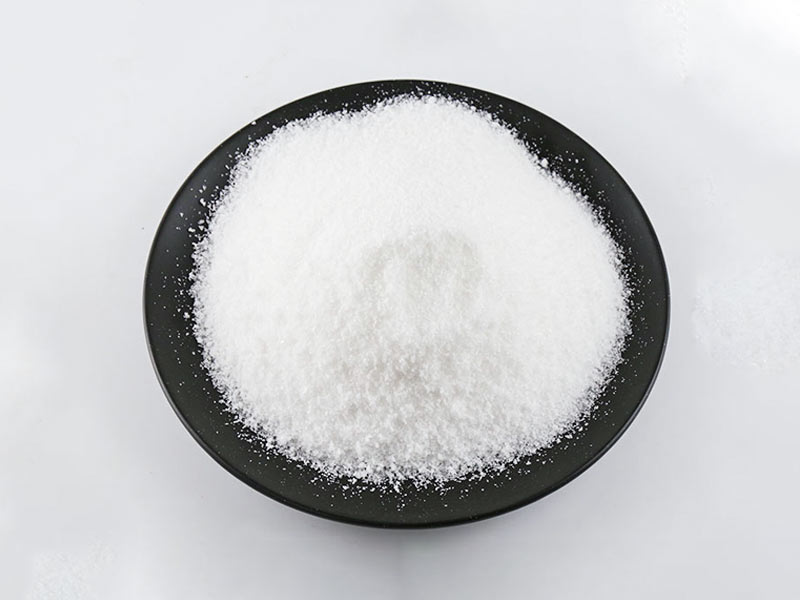
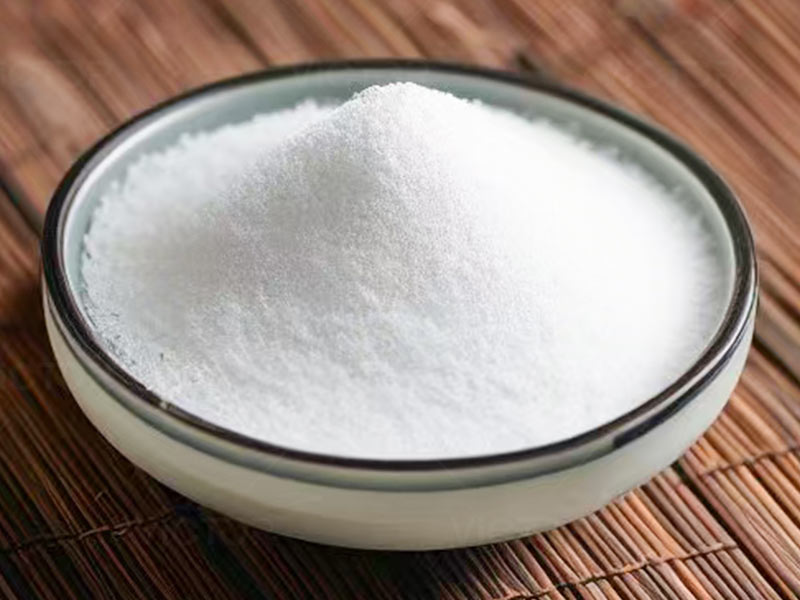
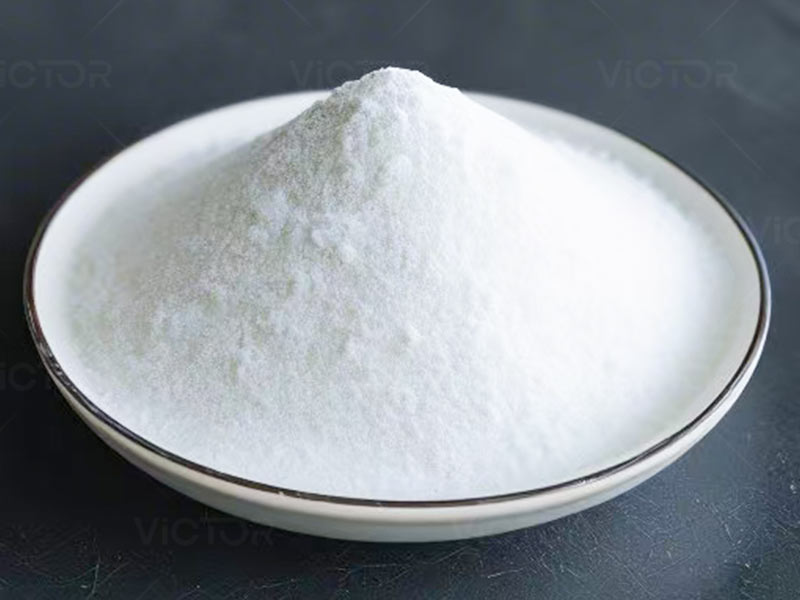
Polyaluminium chloride is a flocculant for sewage treatment that you have researched. It is an inorganic polymeric coagulant for wastewater treatment. Through the bridging action of hydroxide ions within the polymerised aluminium chloride, combined with the polymerisation of polyvalent anions, it forms a macromolecular structure. This confers upon it a high charge density, making it an inorganic polymeric water treatment chemical.
It holds significant advantages among contemporary wastewater treatment agents. It requires minimal processing time and achieves high compliance rates in treated water quality, substantially enhancing the efficiency of wastewater treatment operations. Consequently, concerns arise regarding potential hazards to human health during its application.
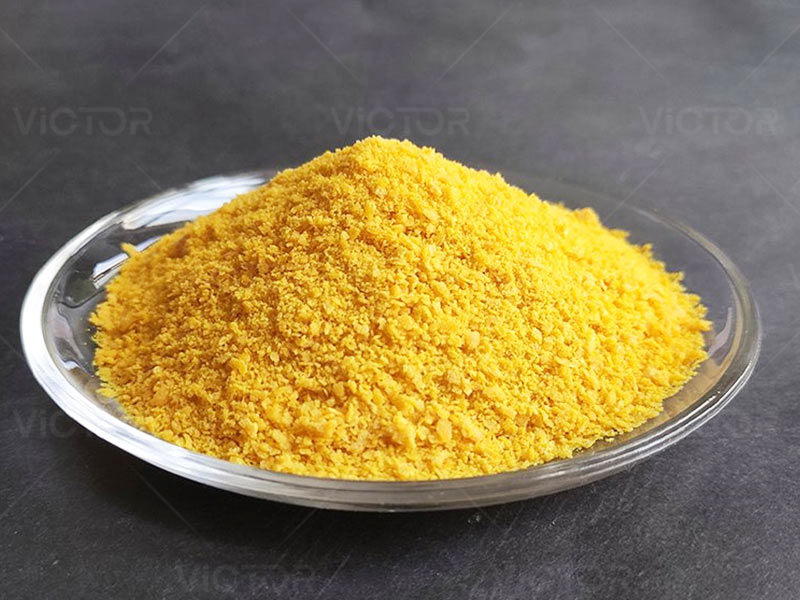
Firstly, it must be emphasised that polyaluminium chloride is not classified as a hazardous substance. However, it generates substantial heat upon contact with water. Consequently, direct skin or mucous membrane contact with polyaluminium chloride may cause irritation and discomfort. When using spray-form polyaluminium chloride products, inhalation is possible. High concentrations may occasionally induce bronchitis, and in extremely rare cases, bronchial asthma may occur. Therefore, strict protective measures must be implemented during handling. Wear masks and gloves to prevent accidental injury or inhalation. Polymerised aluminium chloride must be clearly labelled and stored in designated areas to avoid accidental ingestion. Ingestion may cause oral ulceration, gastritis, gastric haemorrhage, and mucosal necrosis. Remain calm after accidental ingestion and seek immediate medical attention to prevent serious complications. Poly Aluminium Chloride may also cause chronic effects. Prolonged exposure can induce headaches, dizziness, loss of appetite, coughing, nasal congestion, and chest pain.
During handling, strictly adhere to safety protocols. Attention to detail is paramount; negligence may lead to personal injury or property damage in the event of leakage. Therefore, Victor Company operators, while mastering safety procedures, must also develop proficiency in emergency response protocols. Should incidents such as skin contact, accidental ingestion, or leakage occur during operations, appropriate countermeasures must be implemented promptly. These include seeking immediate medical attention, preventing further leakage, isolating the affected area, restricting personnel access, and ensuring emergency responders wear full-face dust masks and specialised protective clothing.