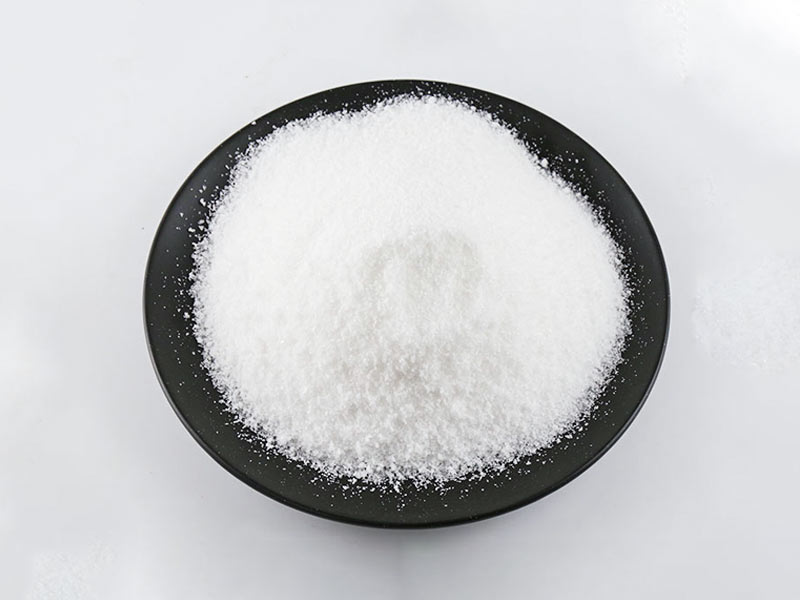
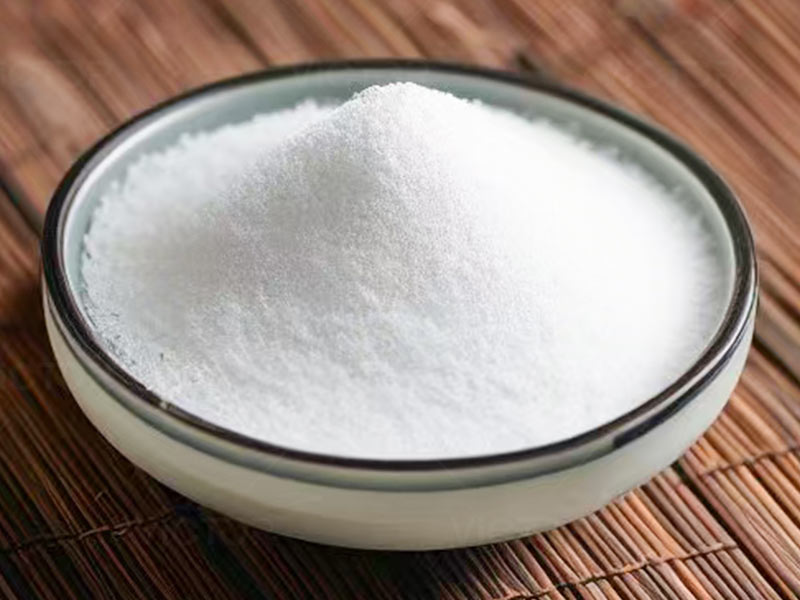
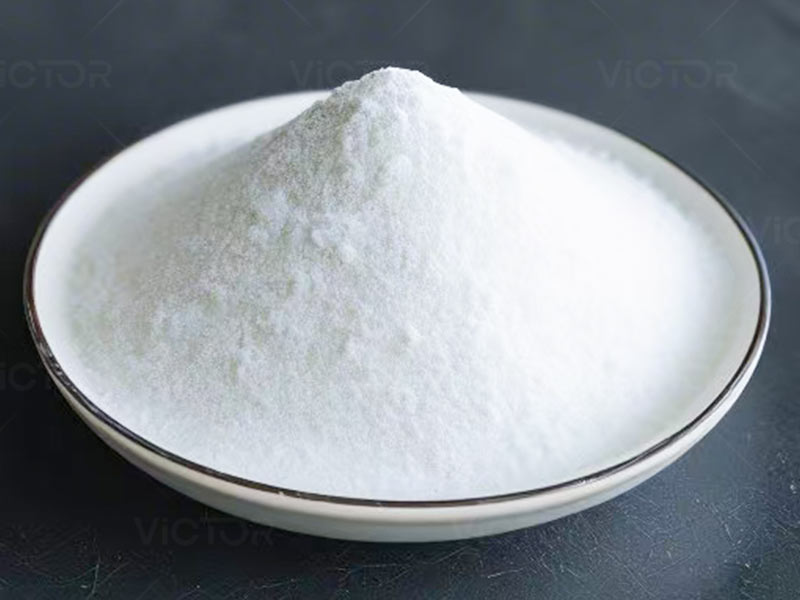
Polyacrylamide was initially employed in tertiary oil recovery. Following simple gravity drainage and water flooding, adding a specific proportion of polyacrylamide to oil wells effectively encapsulates and extracts residual oil from hard-to-reach areas, significantly enhancing production rates. This application enables the full exploitation of petroleum reservoirs. Subsequently, polyacrylamide consumption gradually increased in wastewater treatment and papermaking applications. Driven by rising demand, China's polyacrylamide production capacity has continuously expanded. Over a decade ago, specifically in 2018, China's polyacrylamide industry had already grown to encompass several thousand enterprises, with annual output reaching 350,000 tonnes.
Over the years, leveraging proprietary high-tech advantages, VICTOR Company has established an annual production scale of 1,000 tonnes of polyacrylamide. Its single polyacrylamide production unit employs a fixed copper-catalysed hydration-adiabatic polymerisation process, yielding polyacrylamide with distinct advantages: high catalytic activity, high conversion rate, high molecular weight, low consumption, and superior product quality. Particularly noteworthy is its independently developed polymerisation initiator technology.
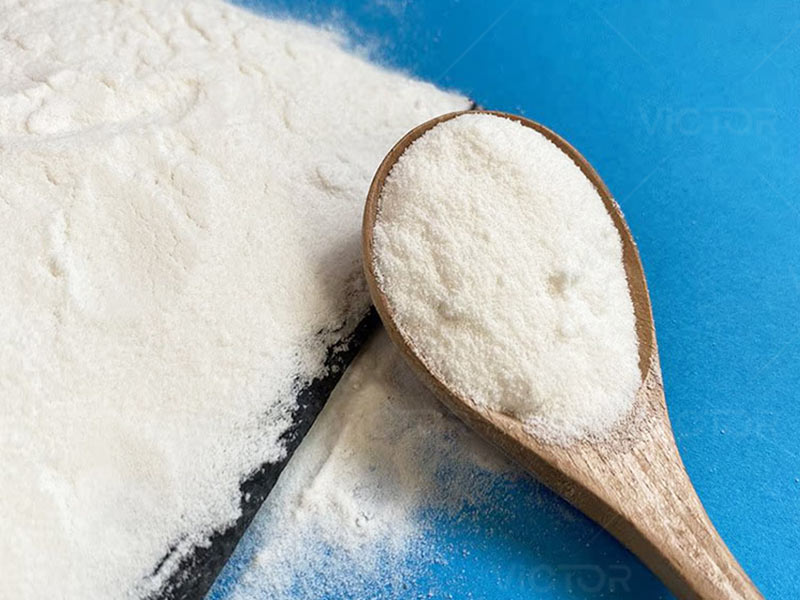
victor's polyacrylamide portfolio encompasses non-ionic polyacrylamide, cationic polyacrylamide, hydroxyethyl polyacrylamide, imino polyacrylamide, amino polyacrylamide, and others. In recent years, research into additives for the petroleum industry and their widespread application have significantly advanced the study of organic cationic polymers. These find extensive use across sectors including oil extraction, mineral processing, coal washing, metallurgy, chemical engineering, papermaking, textiles, sugar production, pharmaceuticals, environmental protection, building materials, and agricultural production. Current research in China has revealed polyacrylamide's applicability in an ever-expanding range of fields, indicating substantial market potential.
In recent years, environmental pollution has become increasingly severe. Numerous factories in our vicinity have been ordered to suspend operations for rectification, primarily due to failing to meet pollution control standards and inadequate wastewater treatment. Environmental pollution now commands the utmost attention from national regulatory bodies. Water pollution, being intrinsically linked to every individual's daily life, necessitates prioritising the recycling of drinking and domestic water. This underscores the critical role of polyacrylamide within the water purification sector. Consequently, the market prospects for polyacrylamide appear exceptionally promising.