We now live in a rapidly evolving society. Products have transitioned from offline to online platforms. The widespread adoption of the internet has made pricing increasingly transparent for many goods. While this offers significant price advantages, it must be acknowledged that manufacturers' margins have diminished considerably. Moreover, low-price competition has become increasingly prevalent.
Polymerised aluminium chloride, widely recognised as a water purification agent, has seen commendable growth alongside its expanding applications. The product range has become increasingly specialised, with quality undergoing a qualitative leap. For instance, yellow polymerised aluminium chloride products are extensively employed in diverse water treatment processes. Their appeal lies in favourable colouration, high concentration, effective purification capabilities, and versatility across multiple industries.
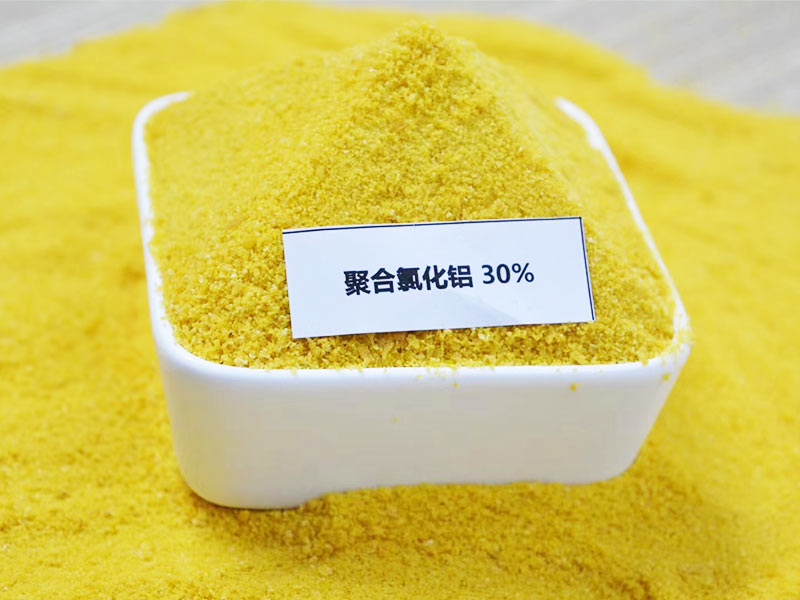
However, regardless of the product type, one fundamental principle remains unshakeable: quality must be paramount. This is the cornerstone for driving continuous industry advancement. Presently, the polyaluminium chloride market is notably chaotic, with prices for various products fluctuating wildly. The market is flooded with diverse polyaluminium chloride offerings. Many manufacturers have even lowered product prices to boost sales. This inevitably leads to some products failing to meet quality standards. Consequently, their performance cannot be guaranteed. Not only is their water purification effect poor, but they may also cause side effects. Examples include pipe blockages and poor flocculation effects in sewage sedimentation. Therefore, selecting high-quality polyaluminium chloride is crucial for water treatment.
How does one determine the quality of
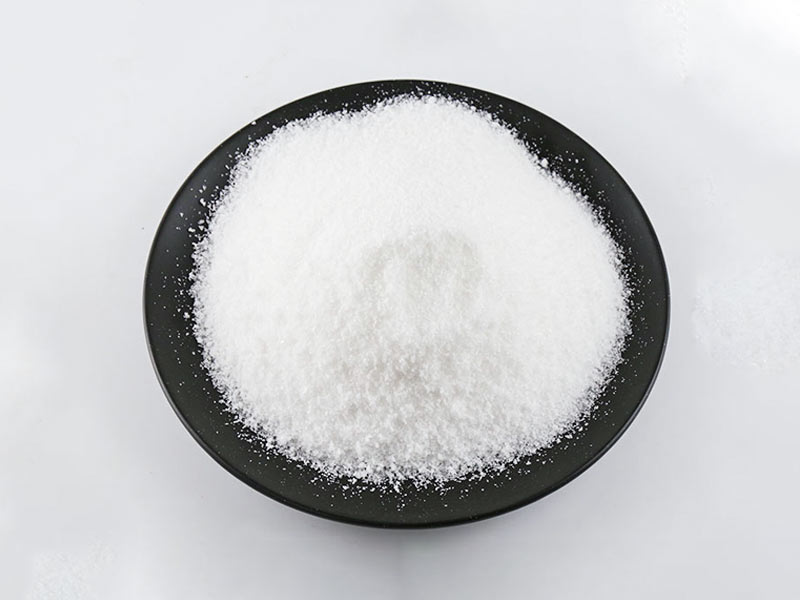
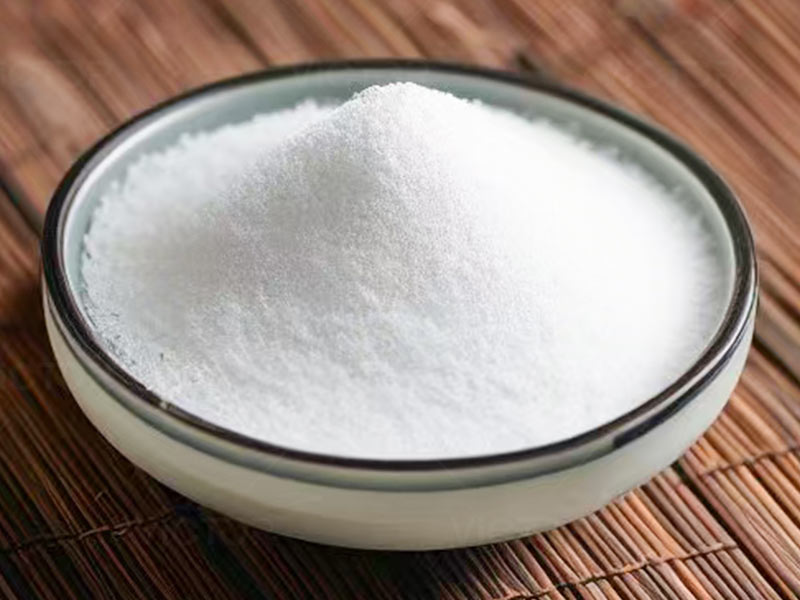
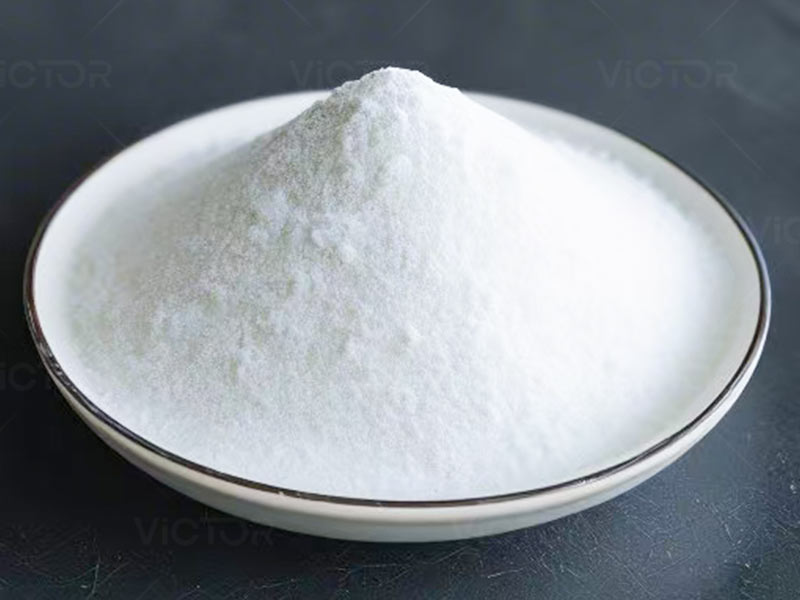
polyaluminium chloride? Visually, its colour ranges from white to yellow to brown, with varying shades indicating differing grades. Furthermore, the physical properties of polyaluminium chloride differ based on the manufacturing process. It may exist as powder, granules, flakes, or liquid. However, regardless of form, the dissolved solution should exhibit uniform colouration. Thus, abnormal colouration upon dissolution warrants quality scrutiny. Even if the colour appears normal, the presence of undissolved particles in the aqueous solution – such as a clear upper layer and a cloudy lower layer – can indicate that the polyaluminium chloride may not meet quality standards. High-quality polyaluminium chloride dissolves rapidly and does not exhibit such stratification. This phenomenon thus serves as an indicator for assessing the quality of the polyaluminium chloride being processed.