With growing emphasis on environmental protection,
polyaluminium chloride products have become increasingly prevalent. This compound has been developed in China for several decades, and its efficacy as a high-performance water treatment agent is widely recognised. However, many remain uncertain about optimising its application. Today, we shall discuss how to enhance the performance of polyaluminium chloride.
Regardless of the type of polyaluminium chloride employed, thorough testing must precede its application. This is because its efficacy varies significantly when addressing different water qualities. Consequently, the appropriate type and dosage of polyaluminium chloride must be determined based on the specific water characteristics. Calculating the optimal dosage is essential for achieving superior results. Generally speaking, the recommended concentration range for polyaluminium chloride is 2% to 5%. Naturally, this may vary depending on the specific water quality.
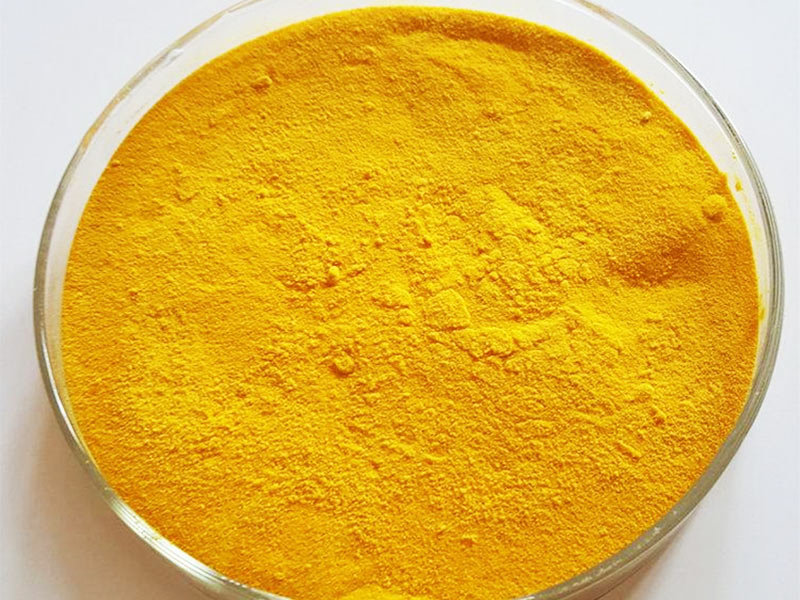
For treating production waste, polyaluminium chloride must be diluted at a ratio of aluminium chloride to water of 1:5, forming a 2%–3% solution. Solutions below 1% concentration accelerate hydrolysis, reducing product efficacy and resulting in wastage. When dosing is required, we must not only adhere to the optimal dosage but also monitor the process and make timely adjustments. Should the floc size diminish and residual turbidity decrease, the dosage should be increased. Conversely, if the flocs are large and rise to the surface while turbidity remains high, this indicates excessive polyaluminium chloride addition, necessitating a reduction in dosage.
Why might polyaluminium chloride prove ineffective after application? Beyond quality concerns, selecting an inappropriate type is another factor. Polyaluminium chloride can be categorised into numerous types based on molecular weight, production process, content, properties, and other characteristics. When using it, we must determine the suitable type according to the actual treatment target and environment. Temperature significantly impacts the efficacy of polyaluminium chloride products. Typically, the temperature of the water used for polyaluminium chloride should be maintained between 20–30°C. Higher water temperatures accelerate dissolution rates. Should the water temperature fall below 5°C, the flocculation effect of polyaluminium chloride diminishes, consequently compromising water treatment performance.