The role of water treatment chemicals in sewage processing is already quite evident. As a highly effective water treatment product, the function of
polyacrylamide cannot be overlooked. However, to achieve superior sewage treatment outcomes, precise control over the dosage of polyacrylamide is essential. So how should the dosage of polyacrylamide be determined?
During wastewater treatment, both the dosage of polyacrylamide and the mixing time require strict control. Excessive dosage can cause polyacrylamide particles to become enveloped by molecular chains, preventing adsorption. This leads to colloidal saturation, compromising stability. Furthermore, agitating colloids that have already bridged and flocculated can cause polymer surfaces to detach. Therefore, during adsorption bridging, floc particles should not be destabilised. Generally, the polyacrylamide dosage should be maintained between 0.03 and 0.4 mg/L. It must not be too low or too high. A low dosage impairs flocculation efficiency, while an excessively high dosage accelerates floc formation into large flocs, leading to substantial sludge deposition. Ultimately, this prevents the sedimentation tank from functioning effectively, compromising polyacrylamide's sedimentation performance.
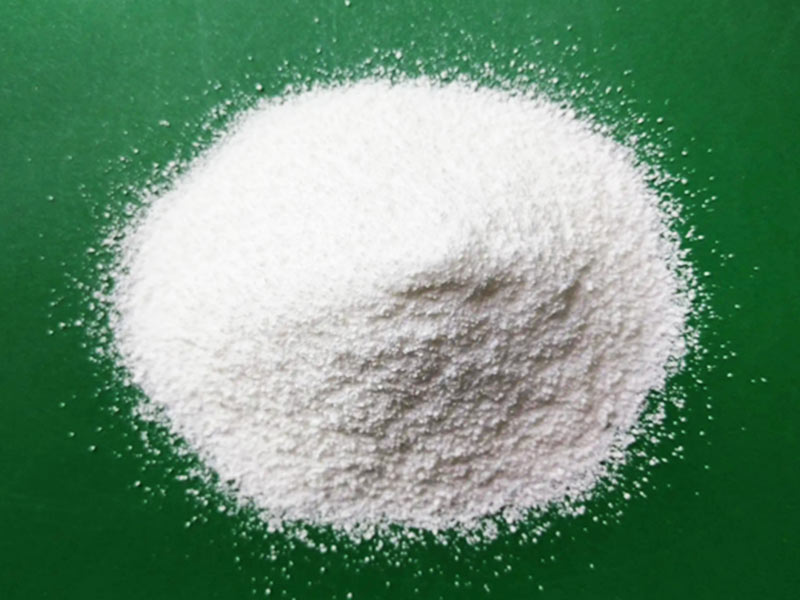
What factors influence polyacrylamide dosage? pH value significantly impacts both dosage and efficacy. Polyacrylamide products exhibit optimal performance under neutral water conditions. In alkaline or acidic environments, their effectiveness diminishes considerably. Secondly, the nature of suspended solids in the water must be considered. If suspended solids are minute and colloidal in nature, they should first undergo reaction with a coagulant. Subsequently, polyacrylamide products can be added for flocculation. This approach enhances purification efficiency while reducing dosage requirements. However, should this process yield unsatisfactory wastewater treatment results, consideration should be given to changing the polyacrylamide grade.
When dosing polyacrylamide into wastewater, it is crucial to understand that dosage calculations are influenced by the chemical dosage, water volume being treated, and the preparation method. While some margin of error may occur during dosage calculations, the actual wastewater treatment process should serve as the definitive reference. Conducting small-scale trials during dosing is also essential.