The role of polyacrylamide in wastewater treatment remains significant. Particularly during industrial sludge processing, cationic polyacrylamide, employed as a flocculant, frequently encounters challenges due to varying application conditions and scenarios. These issues can potentially compromise the efficacy of
cationic polyacrylamide products. How, then, can we effectively enhance the efficacy of cationic polyacrylamide?
As a high-molecular-weight polymer, cationic polyacrylamide is widely employed in sludge and wastewater treatment. To optimise the performance of Zeshen cationic polyacrylamide, attention must be paid to the size of the flocs formed. Floc size directly influences drainage efficiency. Excessively large flocs may impose excessive constraints, hindering sludge cake settling. Regarding sludge selection, cationic polyacrylamide primarily treats organic sludge. Anionic polyacrylamide, conversely, is suited for inorganic sludge treatment. Cationic polyacrylamide is preferred in highly alkaline conditions, while anionic polyacrylamide is unsuitable for highly acidic environments. Floc strength must also be considered. Selecting the appropriate molecular weight for polyacrylamide products promotes floc stability. Selecting the appropriate ion charge for different sludge types achieves effective flocculation while reducing chemical dosage, thereby lowering costs. Dissolution is a critical final step: cationic polyacrylamide must be fully dissolved into solution to maximise its flocculating efficacy. Alternatively, the concentration of polyacrylamide can be adjusted according to specific requirements.
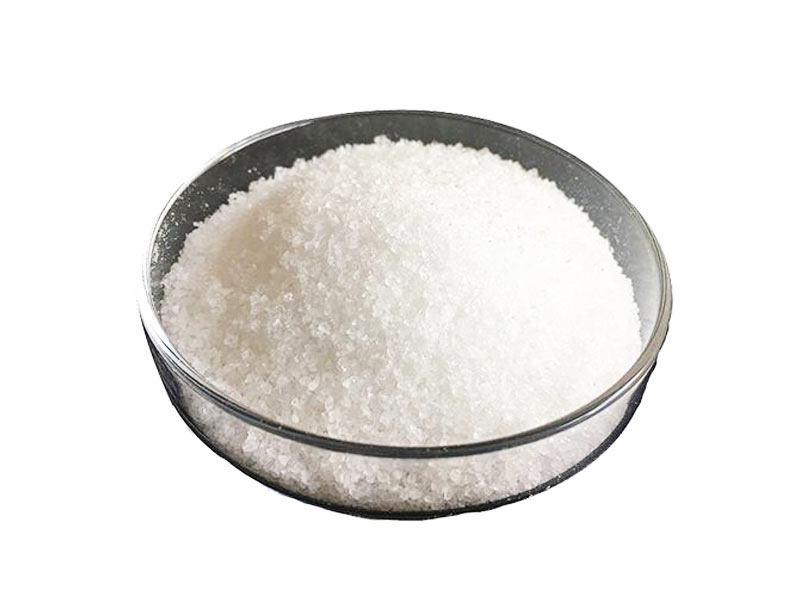
Indeed, many industries encounter suboptimal results when using Zeseng cationic polyacrylamide products. This is not due to product quality but often stems from overlooking critical application details. The aforementioned points outline key considerations for maximising the efficacy of cationic polyacrylamide products.
It should be noted that higher ionisation levels do not necessarily equate to superior performance when selecting cationic polyacrylamide. Higher ionisation typically correlates with increased molecular weight and consequently higher costs. However, the efficacy of cationic polyacrylamide is not significantly influenced by ionisation level or price. This is because not all industrial wastewater applications are suitable for high-ionisation cationic polyacrylamide products.