The efficacy of
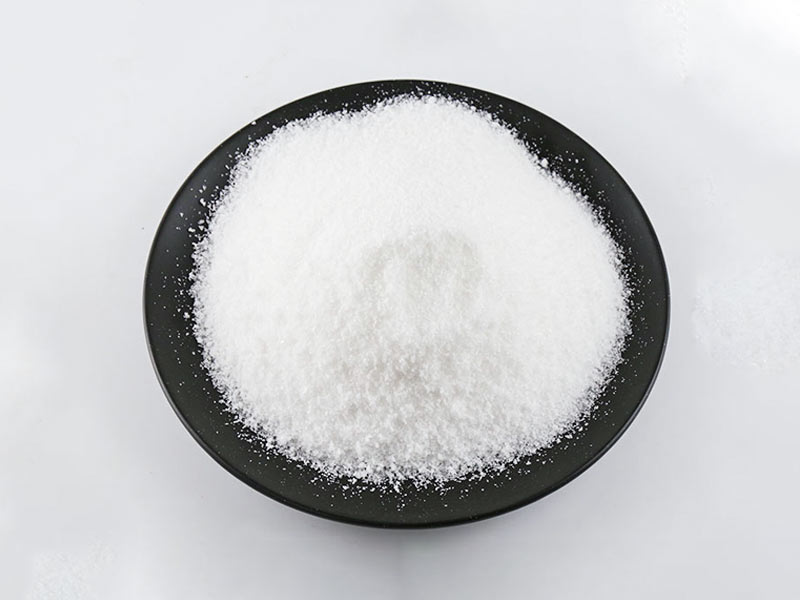
polyaluminium chloride in wastewater treatment is now well established. Generally, when selecting polyaluminium chloride products for sewage purification, many opt for the yellow or yellowish-brown solid form. Such products offer low cost with effective purification results. They are suitable for water treatment in industries such as printing and dyeing plants, paper mills, and leather factories. Moreover, yellow polyaluminium chloride possesses phosphorus removal capabilities, making it applicable for phosphorus removal in domestic sewage. However, under normal circumstances, polyaluminium chloride is primarily employed as a flocculant, with its use in phosphorus removal processes being less common.
Compared to other inorganic water treatment chemicals, polyaluminium chloride exhibits superior stability. It forms large flocs with rapid settling rates, a characteristic many products cannot achieve. Due to the varying functions of polyaluminium chloride products, their concentrations differ when used in wastewater treatment. Concentration ratios and dosage requirements also vary across different industries during wastewater treatment processes. How then should the concentration and dosage of polyaluminium chloride be determined?
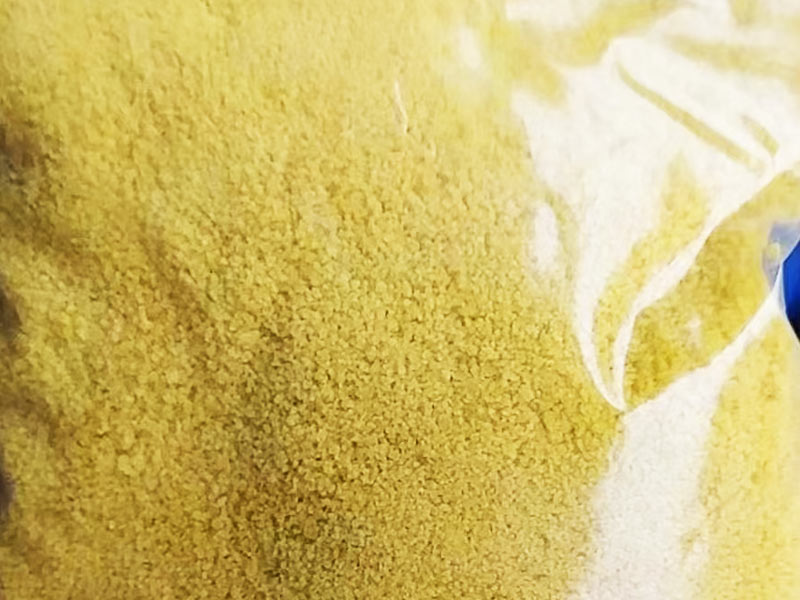
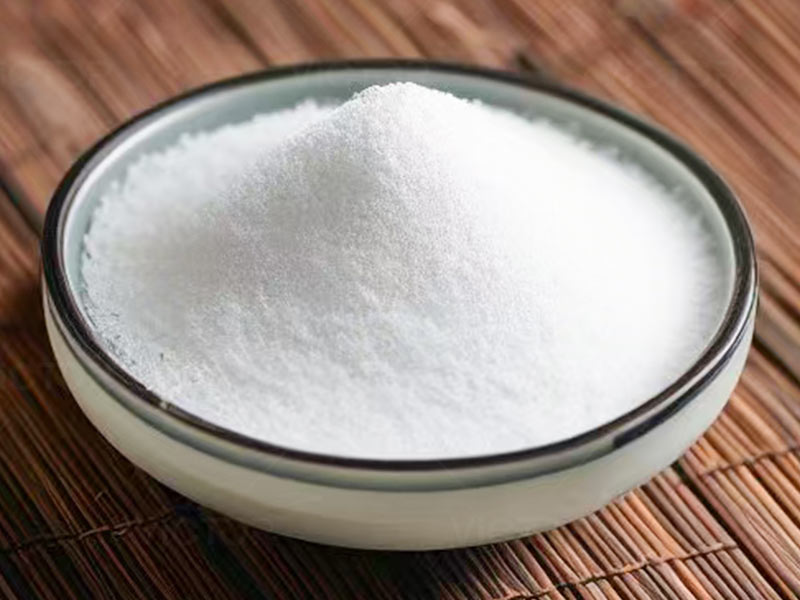
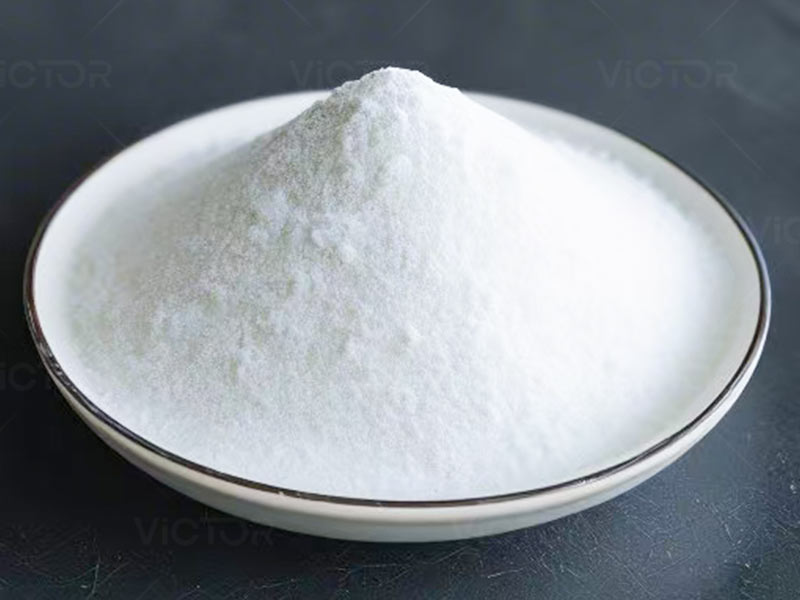
Specifically, the national standard content for solid polyaluminium chloride products is 28%, while liquid formulations contain 10%. When employing solid products, these must first be dissolved into a 10% concentration solution before use. Subsequently, the dosage must be determined through testing based on the turbidity of the raw water to achieve the optimal application rate. Generally, for raw water turbidity ranging from 100 to 500 mg/L, the dosage per thousand tonnes of water is typically between 10 and 20 kilograms. However, precise dosage requires experimental verification.
It should be noted that polyaluminium chloride of different concentrations yields varying treatment efficacy for wastewater. This stems from its coagulation process, which is influenced by numerous factors including water temperature, pH level, and dosage. Among these, pH significantly impacts the performance of polyaluminium chloride. Under varying pH levels, hydrolytic behaviour during wastewater treatment exhibits marked differences. These variations directly impact water treatment efficacy. The coagulant derived from polyaluminium chloride requires sufficient alkalinity during hydrolysis for neutralisation. Inadequate neutralisation conditions lead to instability of suspended solids in the water. This directly impedes the settling and separation of polyaluminium chloride products, resulting in diminished wastewater treatment performance.