Both
polyaluminium chloride and
polyacrylamide are highly effective chemical agents for wastewater treatment. However, significant differences exist between the two. What precisely distinguishes polyacrylamide from polyaluminium chloride in wastewater treatment applications?
Generally speaking, polyacrylamide products are primarily employed in sewage treatment, raw water treatment, and industrial water treatment. Within industrial water treatment processes, polyacrylamide is chiefly utilised as a formulation chemical. The application of polyacrylamide products effectively enhances the recycling rate of return water. During raw water treatment, polyacrylamide can substitute inorganic flocculants while simultaneously improving purification capacity. Polymerised aluminium chloride differs significantly. Polymerised aluminium chloride boasts extensive applicability, accommodating diverse water qualities. It forms substantial flocs while exhibiting excellent sedimentation properties, suitable across varied pH ranges—typically optimal between 5 and 9. Treated water demonstrates significantly reduced pH and alkalinity. Even at lower temperatures, it maintains stable sedimentation efficacy with minimal alkalinity impact and equipment corrosion.
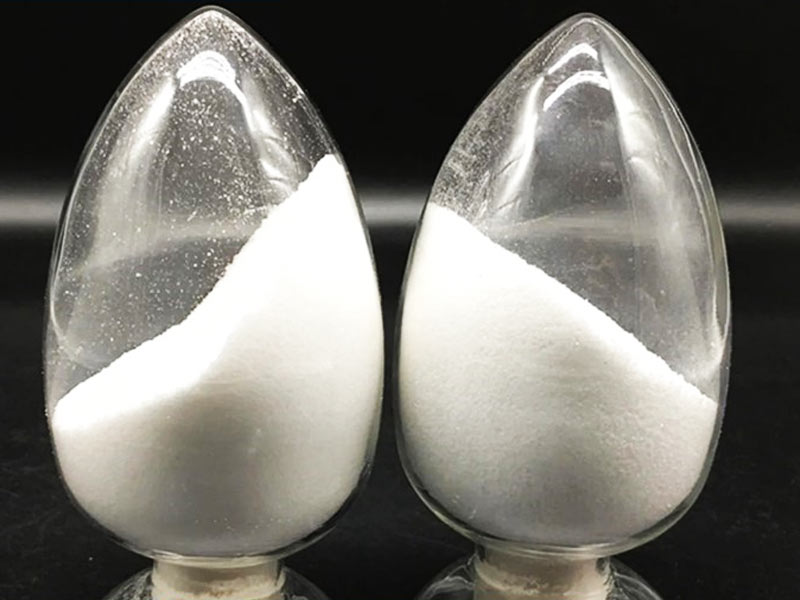
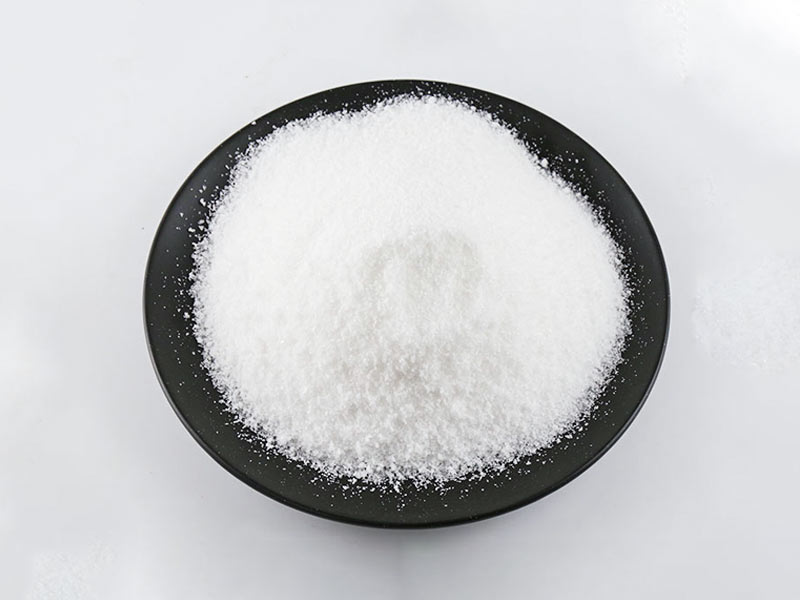
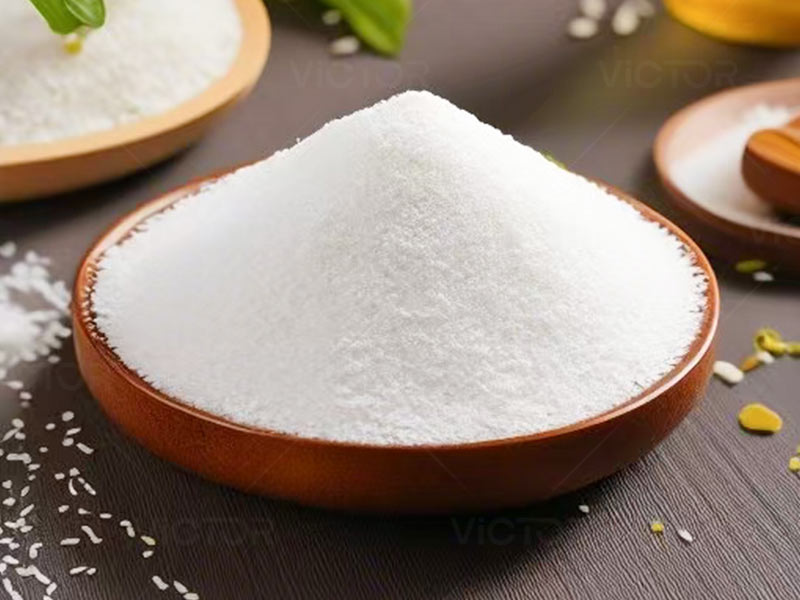
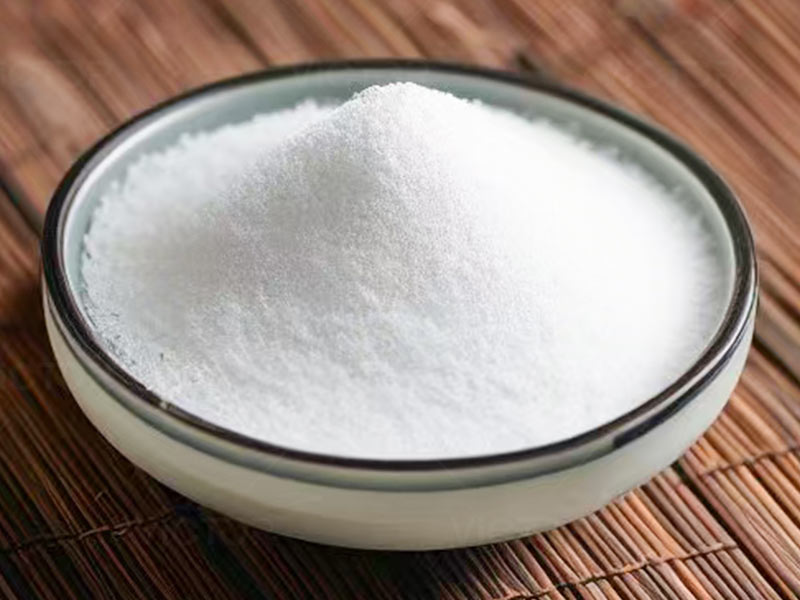
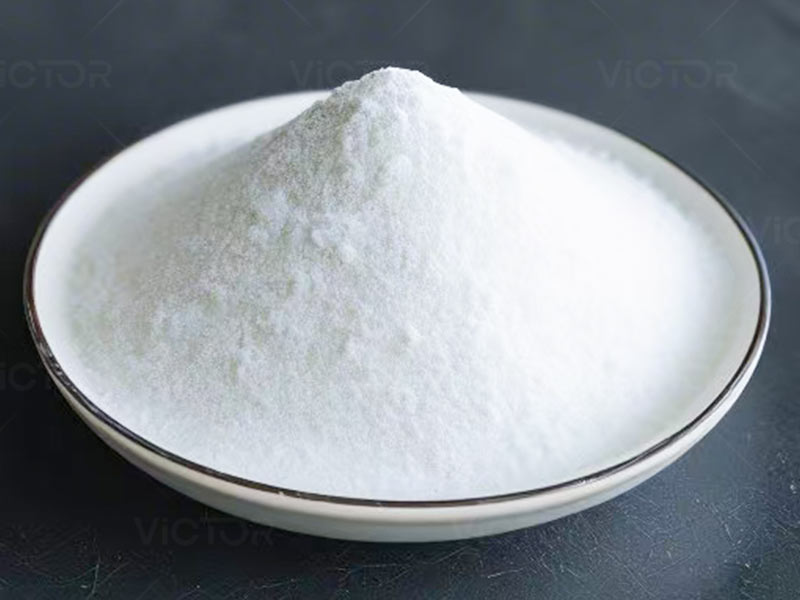
Specifically, the appearance of polyaluminium chloride differs from polyacrylamide. Polyaluminium chloride typically appears white, yellow, pale yellow, or brown, whereas polyacrylamide presents as white granular powder. Distinguishing polyacrylamide types by appearance alone is challenging, even for seasoned professionals.
The manufacturing processes for polyaluminium chloride and polyacrylamide also differ. Polyaluminium chloride is primarily produced using raw materials such as bauxite, calcium powder, aluminium powder, and hydrochloric acid. Depending on the processing method, polyaluminium chloride can be categorised as spray-dried polyaluminium chloride, plate-and-frame filtered polyaluminium chloride, or drum-dried polyaluminium chloride. Polyacrylamide, however, is different. It is predominantly polymerised from raw materials such as acrylamide, acrylic acid salts, and cationic monomers. It exhibits relatively high molecular weight and superior purity, coupled with excellent solubility. Based on production methods, polyacrylamide is categorised into cationic, anionic, non-ionic, and amphoteric types.
Finally, their applications differ. Polymerised aluminium chloride exhibits relatively superior stability, finding extensive use in drinking water treatment, papermaking, domestic sewage purification, and similar industries. However, polyacrylamide offers greater advantages than polymerised aluminium chloride. It requires lower dilution ratios and boasts broader applicability. It can not only treat incoming water but also effectively manage difficult-to-treat sewage and high-concentration wastewater.