With the continuous rise in environmental awareness, the treatment of water pollution has gained increasing attention. In the process of water pollution treatment, the excellent water treatment efficacy of
polyaluminium chloride has attracted growing recognition.
During the application of polyaluminium chloride, one observes variations in its colour. Ranging from white to yellow to brown, differing concentrations indicate varying grades of quality. Consequently, the required dissolution ratios also differ significantly. Typically, when polyaluminium chloride solution is added to wastewater, flocculation and sedimentation become observable within approximately 10 to 20 seconds. These generally manifest as flocculent clusters within the water, gradually settling to the bottom.
The use of polyaluminium chloride demonstrates particularly pronounced water treatment efficacy in sectors such as food processing plants, paper mills, coal washing plants, and ceramic factories. These industries consistently achieve significant improvements in wastewater treatment following the addition of polyaluminium chloride products. Should flocculation prove inadequate, increasing the dosage may enhance efficacy. Conversely, if flocs fail to settle, reducing the dosage may facilitate sedimentation. For optimal results in water treatment, combining polyaluminium chloride with polyacrylamide yields superior performance while potentially reducing operational costs for enterprises.
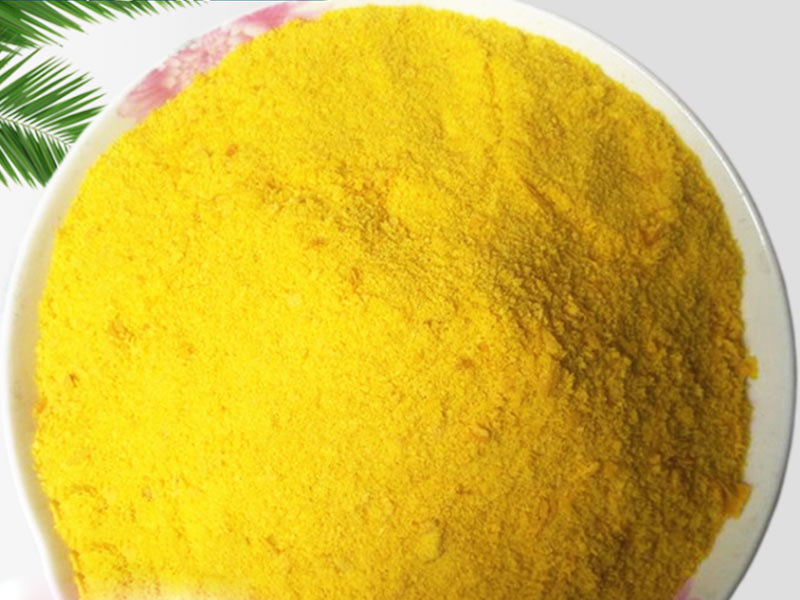
Regarding the optimal concentration of polyaluminium chloride during wastewater treatment, this primarily depends on the wastewater's primary constituents and ambient temperature, alongside the product's concentration itself. It is important to note that concentrations vary for different types of wastewater. Therefore, when employing polyaluminium chloride products, it is essential to analyse the primary components of the wastewater to be treated. Subsequently, experimental trials with the polyaluminium chloride product should be conducted to determine its optimal dosage. This approach ensures effective water treatment outcomes. Furthermore, when preparing the polyaluminium chloride solution, careful consideration must be given to the water source used for dilution. Ideally, tap water or purified water should be used, with the water temperature not exceeding 30°C, as this is the most suitable temperature. When adding the polyaluminium chloride solution to the wastewater, the sedimentation effect in the sedimentation tank should be constantly monitored, and adjustments made promptly as necessary.