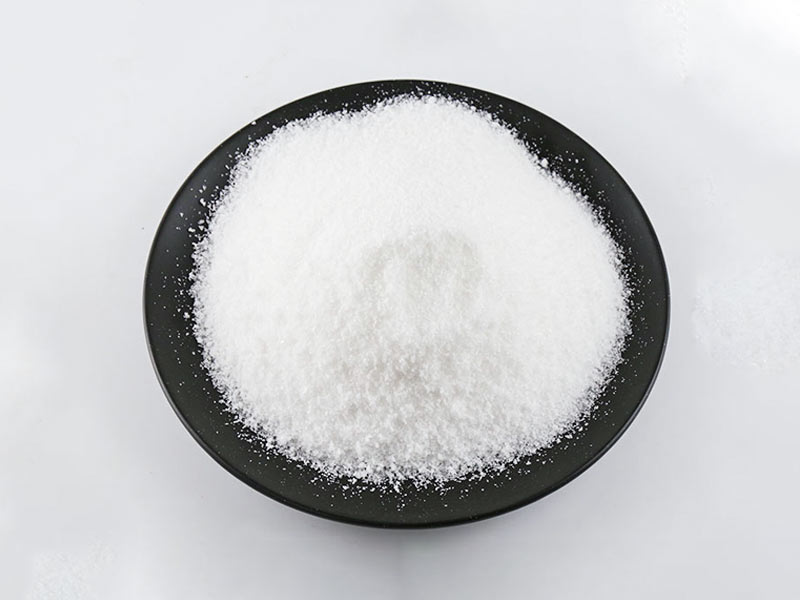
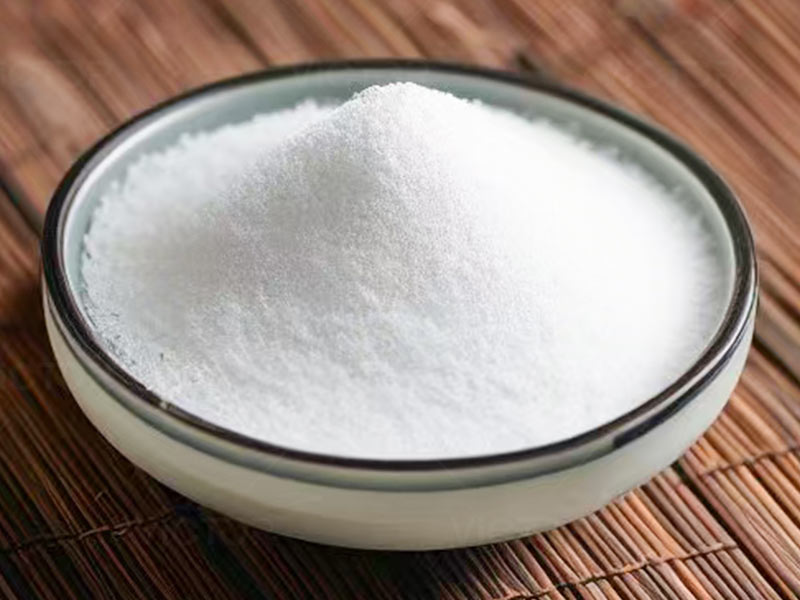
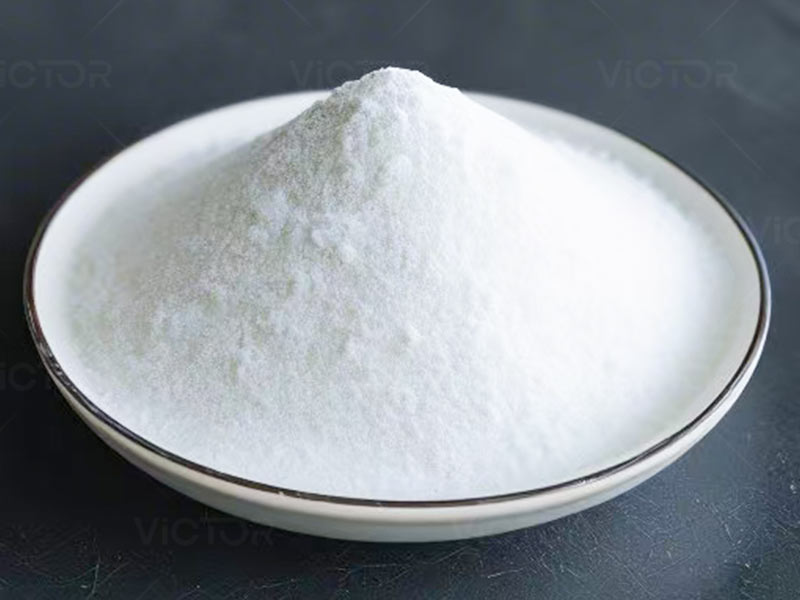
Polyaluminium chloride has now become a relatively common water purification chemical. It is widely used in the wastewater treatment industry. However, many users find its performance less than satisfactory. What could be the reason? Today, VICTOR, a manufacturer of polymerised aluminium chloride, will review common errors in its application. Let us examine them.
Should polyaluminium chloride yield poor results during application, one must consider whether the incorrect grade has been selected. When choosing polyaluminium chloride products, it is essential to select the appropriate grade and dosage based on the specific wastewater type. An unsuitable grade will struggle to achieve the desired purification effect. Furthermore, insufficient dosage will fail to deliver effective wastewater treatment. Simultaneously, selecting the appropriate polyaluminium chloride product based on varying water qualities is crucial. This not only reduces costs but also enhances the product's efficacy. Finally, attention must be paid to the usage environment and temperature. As a chemical agent, polyaluminium chloride reacts differently under varying temperatures and conditions. Different water temperatures necessitate distinct water treatment agents. For instance, in colder water conditions, inorganic polymers are recommended. Therefore, when employing polyaluminium chloride products, one should select appropriate water treatment agents based on varying water qualities and temperatures. This approach ensures both effective performance and cost savings.
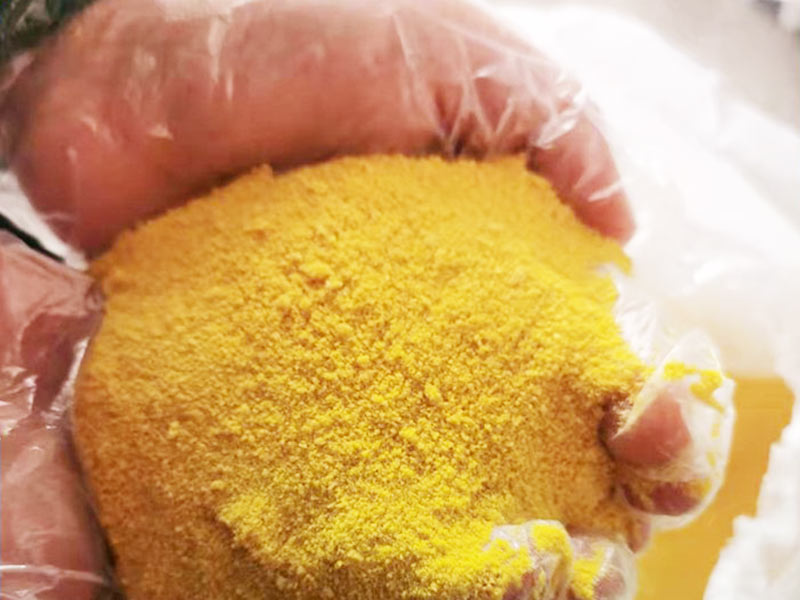
The application scope of polyaluminium chloride is extensive. Optimal dosage requires determination through experimentation. Furthermore, during the application of polyaluminium chloride products, one must constantly observe the coagulation changes and promptly adjust the dosage of the chemical agent. If the sedimentation tank exhibits sparse flocs and high turbidity, this is typically caused by insufficient dosage. Conversely, if the sedimentation tank displays large flocs that float upwards, this is often due to excessive polyaluminium chloride dosage. Appropriate adjustments must be made.
How should polyaluminium chloride be used? Preparation varies according to water quality. Generally, a concentration of 2%-5% by weight is optimal. Mixing can be achieved at a ratio of approximately solid to clean water = 1:5, followed by dilution with additional water. However, note that the solution concentration must not fall below 1%. Concentrations below 1% are prone to hydrolysis, which will imperceptibly diminish the efficacy of the polyaluminium chloride.