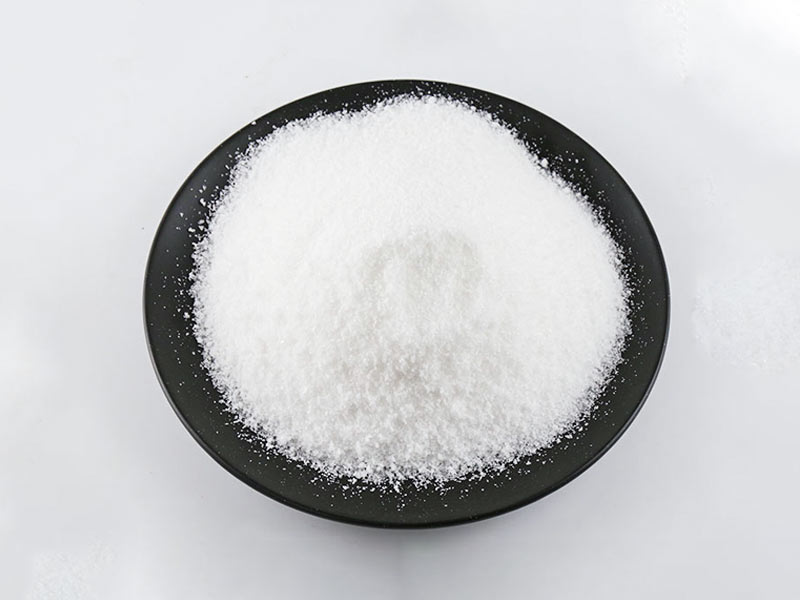
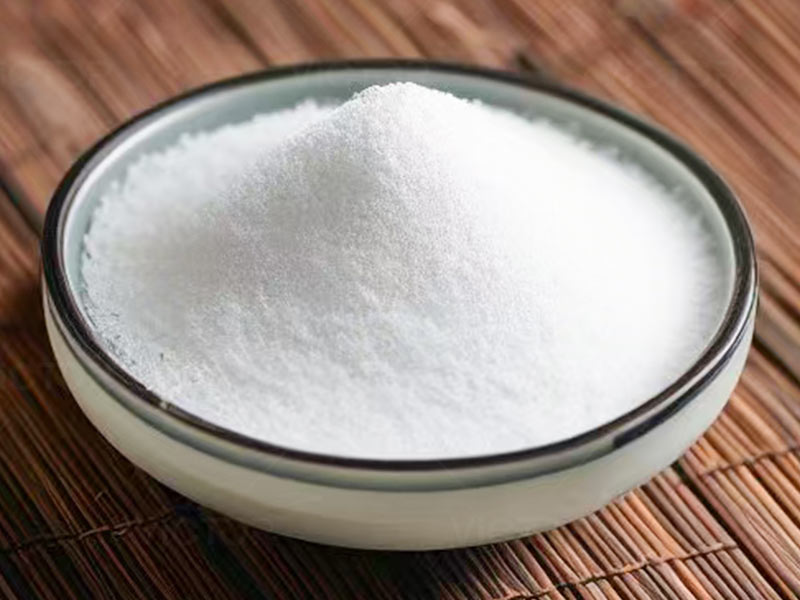
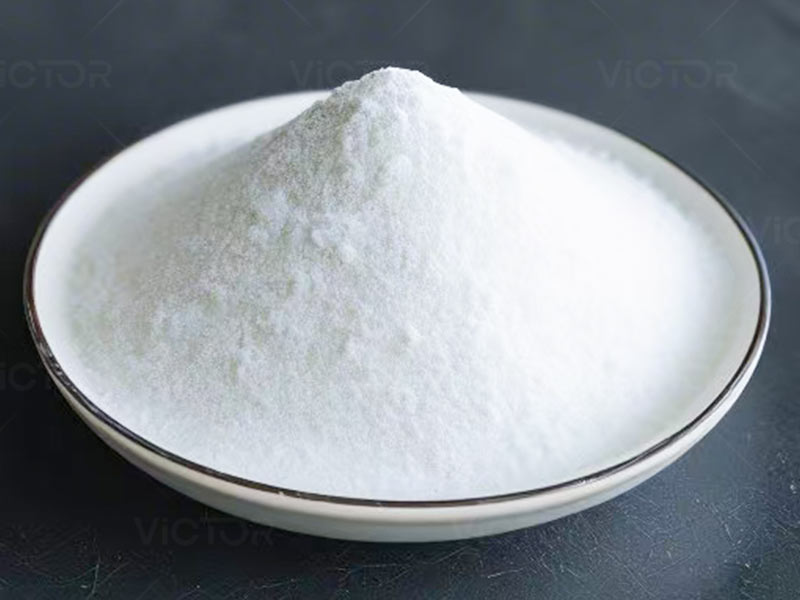
A few points to note when dosing polyaluminium chloride and
polyacrylamide. If you have experience treating wastewater, you will know that for certain types of sewage, using a single water treatment chemical often fails to achieve the desired results. Consequently, treating such wastewater can prove rather troublesome. However, employing two water treatment chemicals simultaneously can yield complementary effects, simplifying the wastewater treatment process. For instance, the combined application of polyaluminium chloride and polyacrylamide yields remarkable efficacy in wastewater treatment. What considerations arise when deploying these agents concurrently?
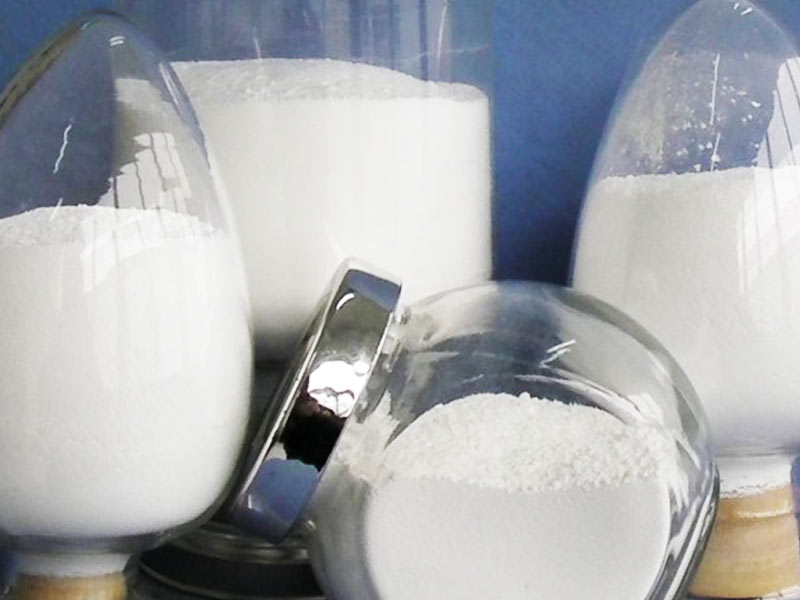
There is a subtle art to their simultaneous application, centred on the sequence of addition and the interval between them. Polyaluminium chloride functions as a coagulant. It requires a prolonged reaction time with the wastewater and must be thoroughly and vigorously mixed after addition. Polyacrylamide, however, functions as a flocculant. Its mixing must be gentle to prevent disruption of the formed flocs. Consequently, the standard procedure involves adding polyaluminium chloride first, followed by polyacrylamide. For optimal results, it is advisable to conduct trials to determine the precise dosing sequence, timing, and quantities. This necessitates rigorous testing for definitive determination. Crucially, direct co-application of polyaluminium chloride and polyacrylamide must be avoided, as it adversely impacts treatment efficacy and increases operational costs.
Why do practitioners combine polyaluminium chloride and polyacrylamide for challenging wastewater treatment? What advantages does this offer? Whilst many employ polyaluminium chloride in conventional processes, subsequently increasing dosage, this often proves ineffective in reducing wastewater turbidity and may even produce adverse effects. Polyacrylamide, conversely, functions as a flocculant during treatment, demonstrating excellent efficacy in sludge management. Conversely, the combined application of polyaluminium chloride and polyacrylamide is increasingly recognised. Polyacrylamide's strong hygroscopic properties enable significant purification of highly contaminated wastewater. Nevertheless, both polyaluminium chloride and polyacrylamide exist in numerous product variants. Prior to use, it is essential to ascertain the specific water quality issues requiring treatment. Only through experimental testing can the most suitable products be selected for application.