The role of
polyferric sulphate in water treatment processes cannot be overlooked. As a water treatment chemical, polyferric sulphate demonstrates unique efficacy in treating specific types of wastewater, such as phosphorus-containing effluents, thereby bringing it to public attention.
However, when employing polyferric sulphate, particular attention must be paid to its basicity. It is important to recognise that basicity serves as a crucial indicator. Generally, the national standard stipulates a range of 8 to 16. Nevertheless, users often mistakenly believe that higher basicity equates to superior product efficacy. This is not necessarily the case. The impact of basicity on treatment effectiveness ultimately depends on the specific application scenario and water quality.
Let us first address the concept of basicity. From a chemical perspective, basicity represents the percentage of OH radicals relative to iron ions within the ferric sulphate polymer molecule. It can be understood as the quantity of OH ions present. Higher basicity correlates with a greater number of ions and longer polymer chains, whereas lower basicity indicates shorter chains and a higher concentration of iron ions.
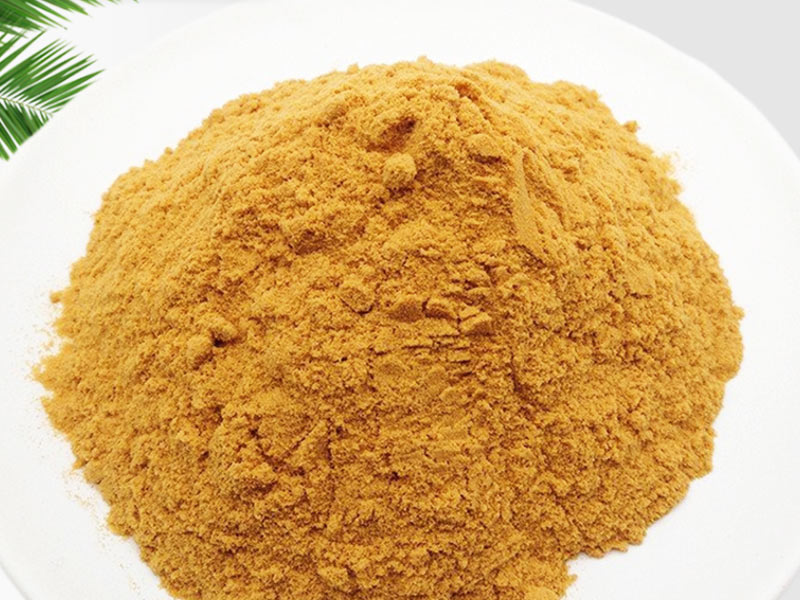
How does basicity relate to polysulphate iron? Generally, higher basicity accelerates hydrolysis during use, enhancing flocculation efficiency. For treating suspended solids or improving sludge settleability, higher basicity is preferable. However, for applications involving acid-alkaline adjustment or heavy metal removal, lower basicity yields better results. It should be noted that products with low basicity tend to lower the pH of the raw water during use. Therefore, when the raw water pH is already low, it is advisable to consider using products with higher basicity. Conversely, if the raw water pH is relatively high, products with lower basicity may be considered.
What precautions should be taken when using polyferric sulphate? Given the variability of raw water quality, on-site testing is essential to determine optimal usage conditions and dosage. Dissolve the product at a concentration of 10–30%. Add tap water for hydrolysis, allow to settle until a reddish-brown liquid forms, then dilute with water before dosing. Typically, water treatment plants may prepare a 2-5% concentration for direct dosing. For industrial wastewater, a 5-10% concentration may be prepared for direct application. Dosage should be determined through trial dosing based on raw water characteristics, adjusting according to floc formation. Generally, prepared solutions should be used on the same day. Slight precipitation in the prepared solution is a normal occurrence.