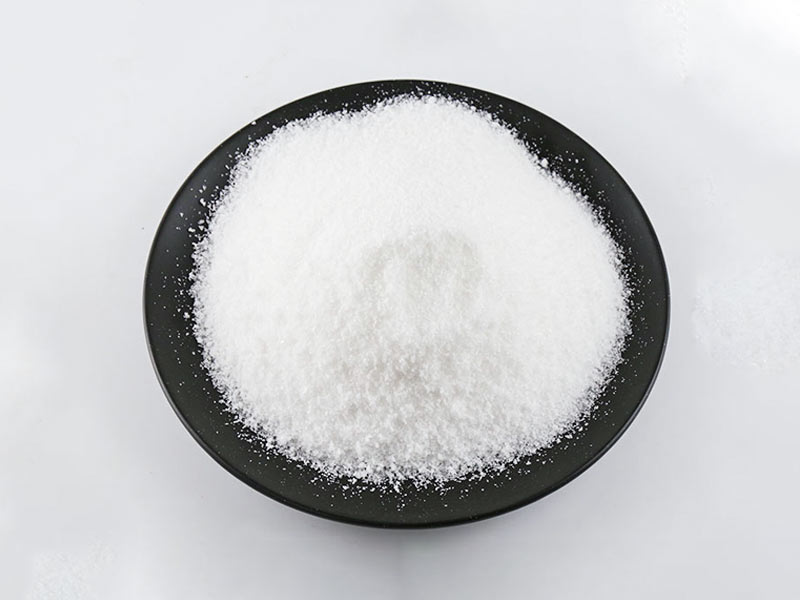
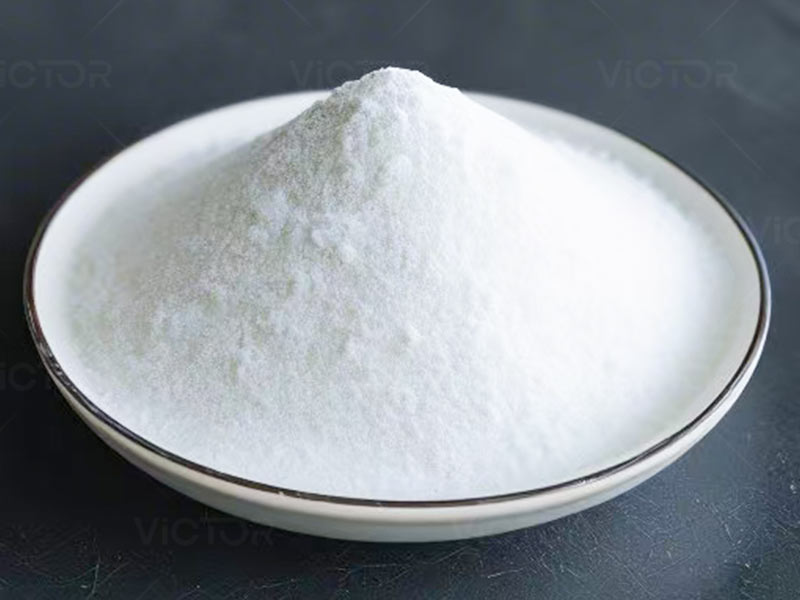
It is widely recognised that phosphorous-laden industrial wastewater poses significant treatment challenges, necessitating specialised chemical agents for effective removal. Among the most common phosphorous removal agents employed in wastewater treatment are aluminium salts and iron salts, specifically the products known as
polyferric sulphate and polyaluminium chloride.
What hazards does phosphorus in wastewater pose? Phosphorus-laden effluent promotes the proliferation of organic matter. If discharged without timely treatment, it causes severe river pollution, thereby adversely affecting human health. Consequently, chemical agents can be employed during phosphorus removal to precipitate phosphorus through chemical reactions within the wastewater. This process eliminates phosphorus from the effluent, achieving wastewater purification. Biological phosphorus removal can eliminate up to 70% of phosphorus in wastewater, meeting basic discharge standards. However, the most suitable treatment method involves using polyferric sulphate products for phosphorus removal. This high-quality polymeric flocculant exhibits excellent coagulation effects and rapid settling rates. Beyond reducing phosphorus content in wastewater, it also minimises phosphorus input. Relatively speaking, its use for phosphorus removal proves more cost-effective.
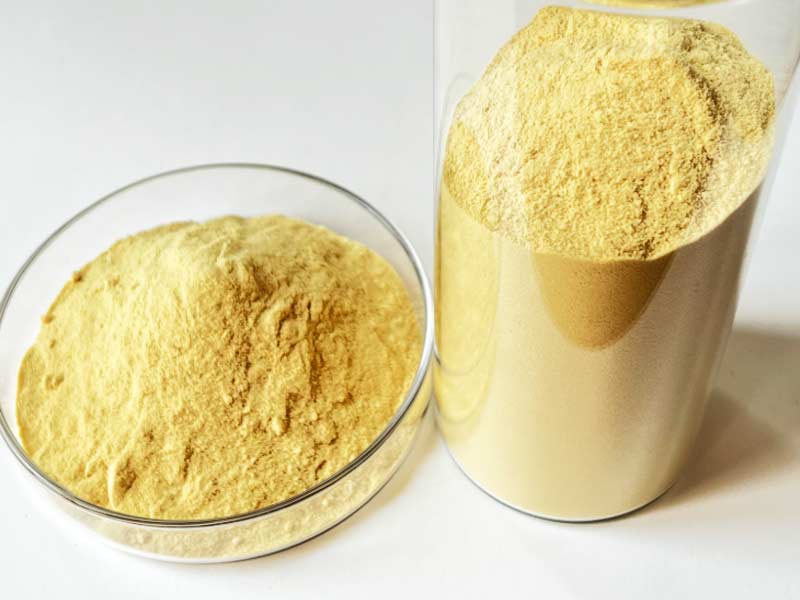
Although polyferric sulphate demonstrates excellent phosphorus removal efficacy, dosage must be carefully controlled. Excessive dosing directly impairs wastewater treatment efficacy. Over-application leads to excessive sludge production, generating increased sludge volumes. Simultaneously, excessive dosing causes water discolouration to yellow. This occurs because commonly used phosphorus removal agents are iron salt-based. Overdosing introduces excessive iron and aluminium ions into the water, resulting in yellowing. Additionally, it causes a decrease in pH value. Phosphorus removal agents are typically weakly acidic polymeric chemicals. During phosphorus removal, increased dosing of acidic agents heightens overall water acidity, thereby lowering pH. Finally, excessive dosing complicates sludge treatment. While increased phosphorus removal agent dosage boosts sludge volume, it also elevates inorganic metal salts within the sludge, increasing treatment difficulty.
Having outlined these points, it is hoped that readers now possess a general understanding of the hazards associated with excessive use of polyferric sulphate and the appropriate dosage of phosphorus removal agents. Prior to application, experimental testing is essential to determine the optimal dosage. Furthermore, should water quality parameters change, renewed testing is necessary to establish the most suitable dosage. This approach also serves as a means to prevent excessive dosages from adversely affecting water treatment efficacy.