With heightened environmental awareness and the accelerated advancement of national ecological civilisation initiatives, environmental protection has become a priority task. This has fostered a new understanding of environmental conservation among an increasing number of people. Within environmental protection efforts, wastewater treatment has become an urgent necessity. Consequently, water purification chemicals for sewage treatment have come to the forefront of public attention.
As a manufacturer of polyaluminium chloride, Gongyi has been an early production base. It can be said that at least 80% of the products originate from Gongyi. Due to the rudimentary production techniques and simple processes in earlier years, coupled with relatively low quality requirements and limited product varieties, the market for polyaluminium chloride products has now developed rapidly. The water quality requiring treatment is also highly variable. Both product variety and quality have undergone significant transformation. Given the current abundance of options in the polyaluminium chloride market, how should one make an informed selection?
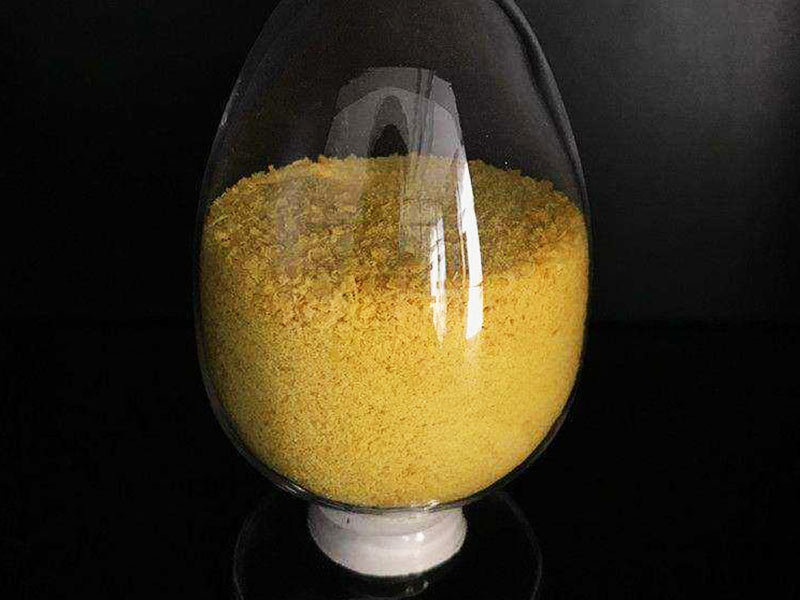
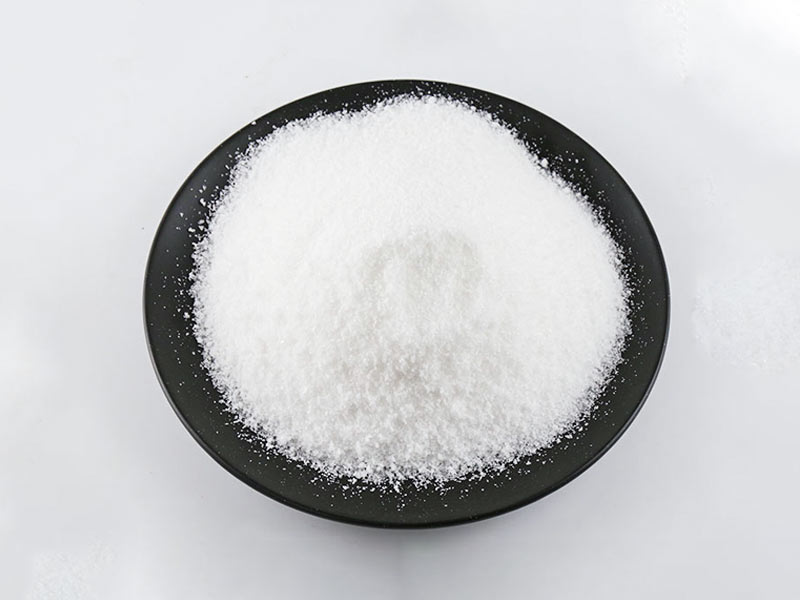
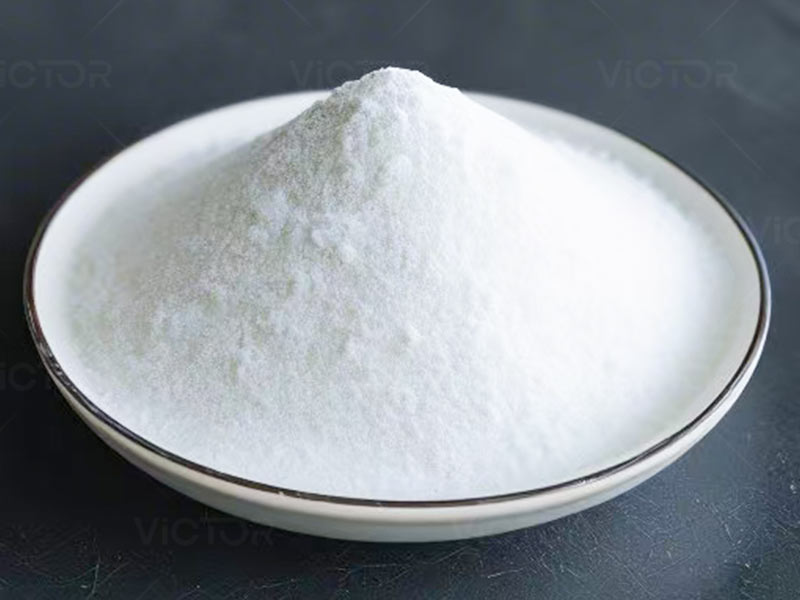
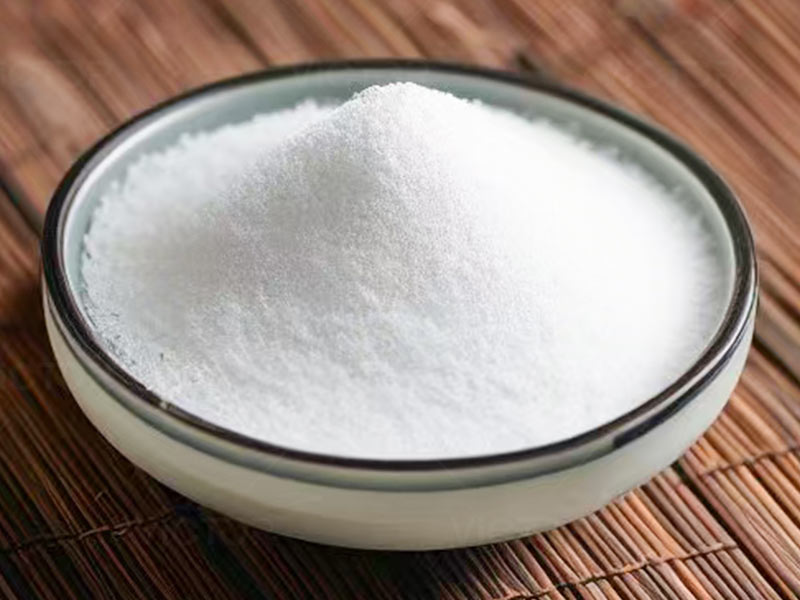
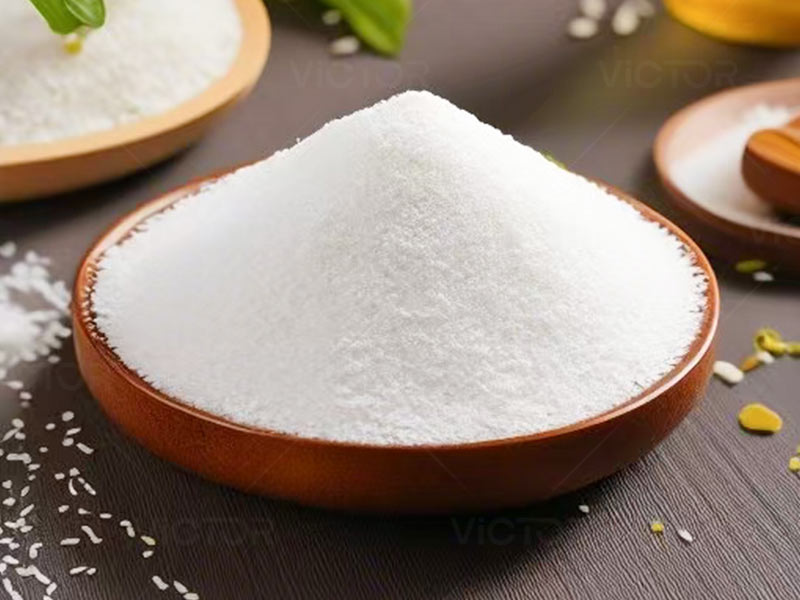
Polymeric aluminium chloride typically presents in granular or powdered forms, exhibiting colours ranging from brown to yellow to white. Generally, product quality can be assessed by colour, with brighter, lighter shades indicating superior quality. Moreover, products of different colours often differ in production processes and applications. Products with 26% content are primarily used for purifying low-turbidity water, such as municipal sewage and urban wastewater. Treating low-turbidity water with lower-concentration products is cost-effective and environmentally friendly. Products with 28% content are frequently employed for industrial wastewater treatment, including effluents from paper mills, plastics factories, and textile dyeing plants. They are also effective for treating oily wastewater. Products with 30% content are chiefly employed for treating water in municipal waterworks and purified water plants. These 30% products are predominantly golden yellow in colour. However, due to variations in manufacturing processes, they are categorised into plate-and-frame filter-pressed, spray-dried, and drum-dried types. Among these, the spray-dried variant demonstrates superior performance, though it commands a higher price point.
Beyond granular and powdered
polyaluminium chloride products, liquid formulations are also available. Liquid products share the same application scope as solids but offer distinct advantages, such as superior solubility, high reactivity, and rapid reaction rates. However, transporting liquid products requires specialised equipment and containers, resulting in higher logistics costs. Therefore, selection should be based on specific operational requirements.