With growing environmental awareness, the application of
polyferric sulphate in the water treatment industry has become increasingly widespread. Yet many remain unfamiliar with this substance, unaware of its nature or primary uses. In truth, this product finds application across numerous sectors. However, variations in production methods result in differing product qualities and characteristics. Today, we shall examine the factors that influence its pricing.
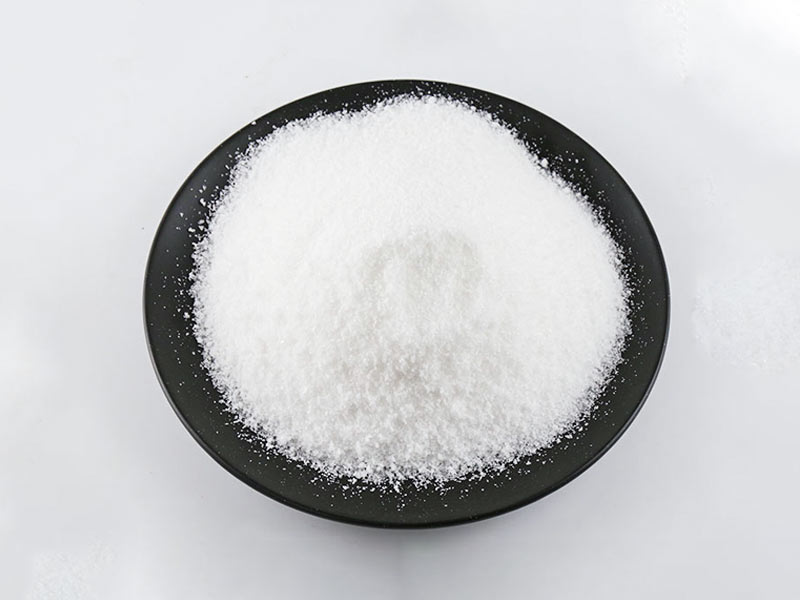
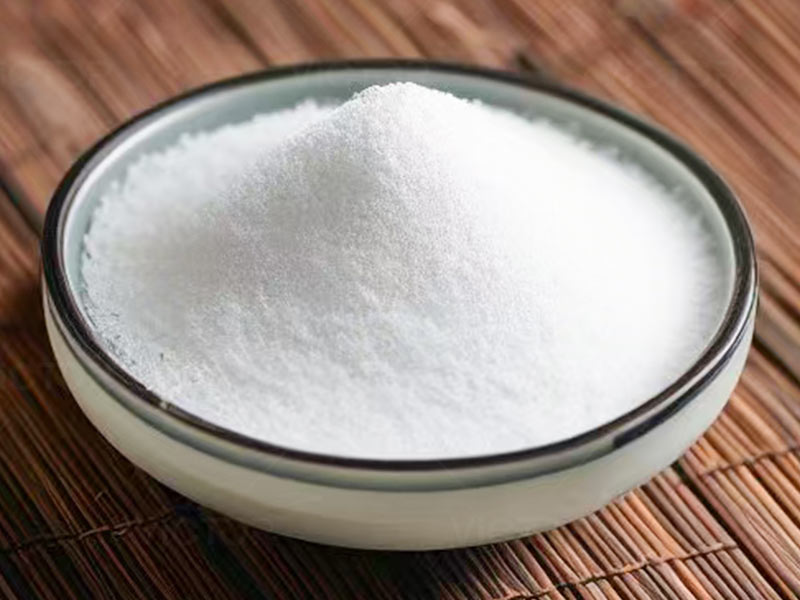
Polyferric sulphate is a commonly employed water purification agent. Its most frequent applications involve treating industrial effluents and municipal sewage, delivering significant water purification benefits. Though appearing as an amorphous, pale yellow powdered solid, it exhibits superior performance and dissolves readily in water.

Numerous factors influence the price of polyferric sulphate. One key factor is raw materials. Ferric sulphate is produced from ferrous sulphate as its base material. It offers advantages such as low dosage requirements, effective water purification, and operational convenience. As an upgraded version of ferrous sulphate, it commands a higher price point. Additionally, ferric sulphate exists in both solid and liquid forms, with significant price variations between these product states. The primary determinant is concentration. Products with differing concentrations exhibit substantial price variations. Solid formulations typically contain 28% or 30%, while liquid versions range around 11%-13%. It is important to note that higher concentrations command higher prices. Therefore, when purchasing, attention should not solely focus on cost; quality is equally crucial. Beyond this, product pricing is further influenced by market demand, environmental factors, brand reputation, packaging, and other considerations. Consequently, regional price discrepancies may arise.
It is crucial to note that during the application of polyferric sulphate, strict adherence to dosage is imperative. Dosage should be determined based on water turbidity. Prior to full-scale application, conduct pilot tests to establish the optimal dosage according to actual conditions. It is crucial to understand that dosage levels directly impact efficacy. Furthermore, when combining with other chemical agents, strict adherence to the correct sequence is imperative. Simultaneous dosing or pre-mixing with other agents must be avoided, as this significantly diminishes the product's effectiveness. These precautions warrant particular attention during operational procedures.