Numerous water purification agents are currently available on the market, including aluminium sulphate, ferrous sulphate,
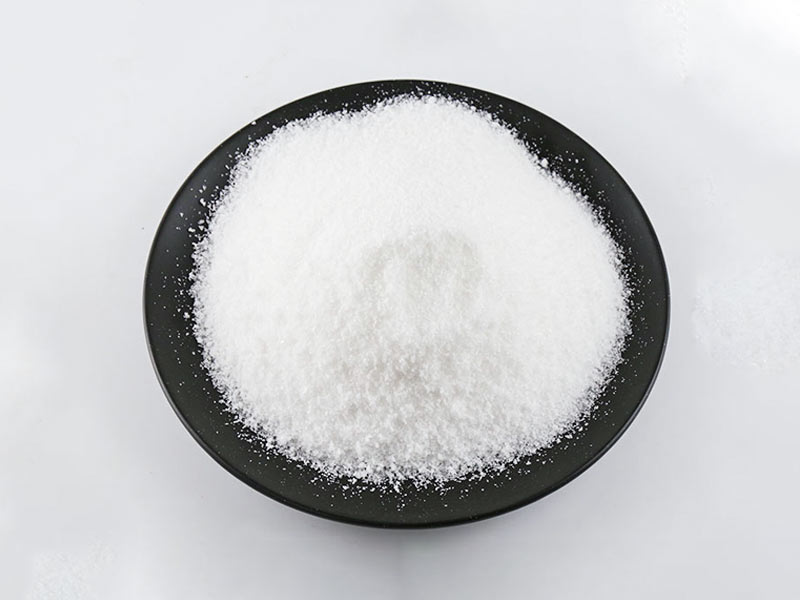
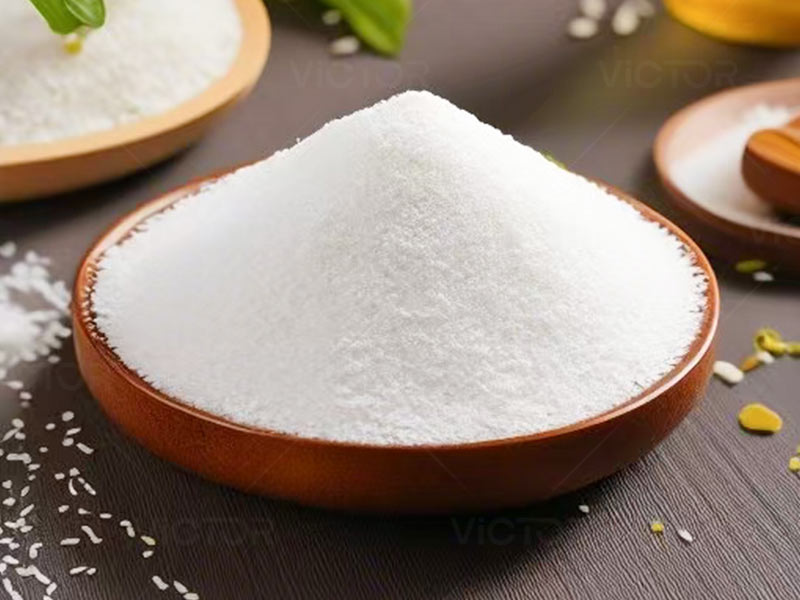
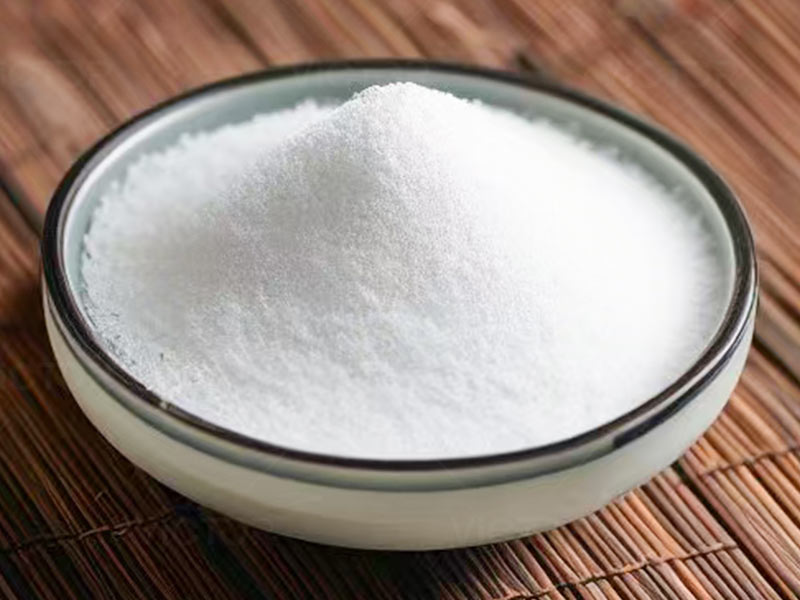
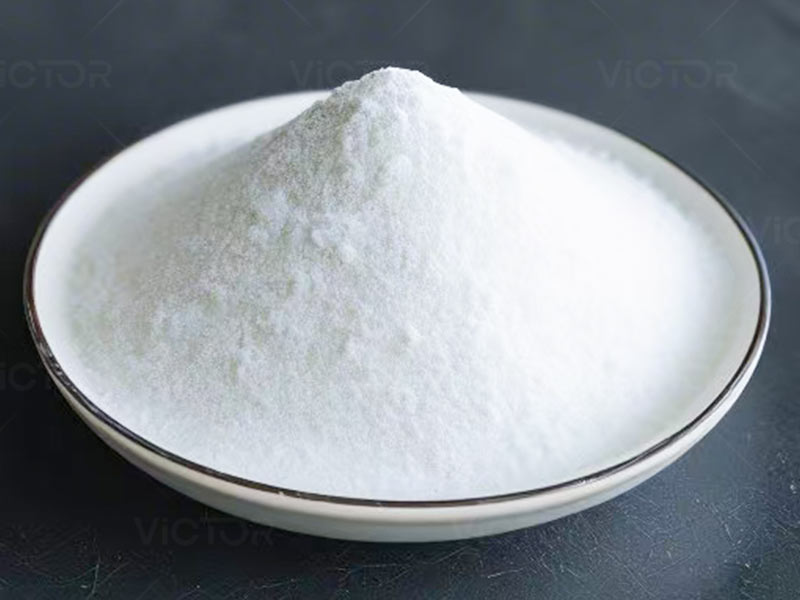
polyacrylamide, and others. Let us now examine a novel water treatment agent: polyaluminium chloride. Developed in recent years, polyaluminium chloride is a new inorganic polymeric water purifier. It represents a hydrolysis product intermediate between aluminium trichloride and aluminium hydroxide, exhibiting exceptionally potent bridging adsorption properties. It dissolves readily in water, with its hydrolysis process involving physicochemical phenomena such as electrocoagulation, adsorption, and precipitation. Its purification efficacy significantly surpasses that of traditional low-molecular-weight agents like aluminium sulphate, ferric chloride, ferrous sulphate, and alum. Widely employed globally for purifying drinking water, industrial water, and treating sewage, it has garnered considerable user acclaim and recognition.
What advantages does polyaluminium chloride possess over other water purification products? Its foremost strengths lie in its potent flocculation capacity, high adsorption activity, and the rapid formation and settling of flocs. Furthermore, it requires no additional alkaline agents during flocculation, accommodates a broad pH range in treated water, and is straightforward to use. It delivers effective flocculation even for raw water with low temperatures, low turbidity, and low alkalinity. Using polyaluminium chloride significantly reduces mixing, blending, and sedimentation times, allowing for compact flocculation and sedimentation tanks that occupy minimal space. It excels in iron and manganese removal, yielding water with low electrical conductivity. When employing polyaluminium chloride, water purification equipment requirements are minimal, operation is straightforward, and treatment costs are low.
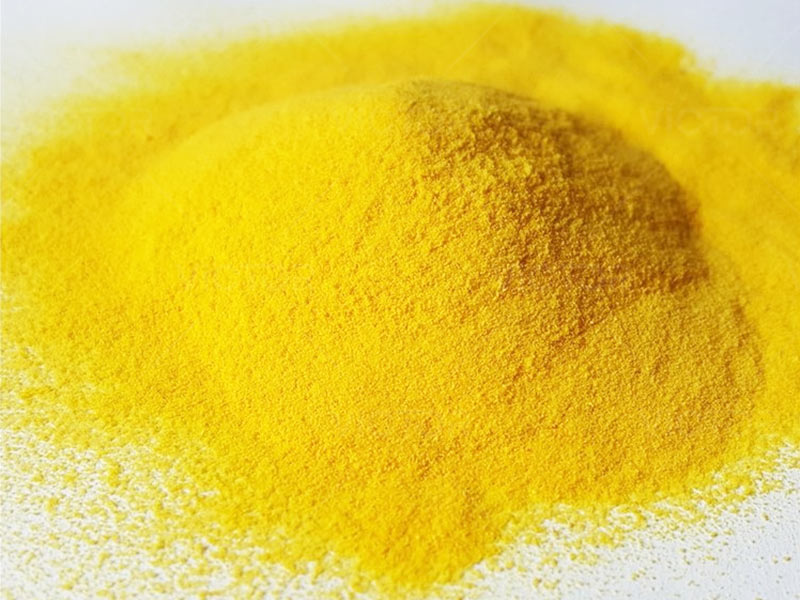
In the petroleum industry, polyaluminium chloride is extensively used for treating oily wastewater, oil-water separation, and purifying oilfield reinjection water. It yields greater benefits than polyacrylamide. Polymerised aluminium chloride serves as an ideal treatment agent for industrial wastewater and effluent management. It finds extensive application across metallurgy, power generation, tanning, pharmaceuticals, textile dyeing, and chemical industries.
Its application is remarkably straightforward. During use, dissolve the polyaluminium chloride into a 10%-30% solution, then dilute with water to the required concentration. Optimal pH adjustment maximises flocculation efficiency. Typically, 0.5-2.0kg of the agent is added per 100 tonnes of turbid water. However, when raw water turbidity is high, dosage should be increased; conversely, when turbidity is low, dosage may be appropriately reduced. For rural applications, polyaluminium chloride may be added to a water tank, stirred thoroughly, and allowed to settle. The clear water at the tank's surface may then be used. Combining polyaluminium chloride with Victor Company's high-molecular-weight flocculants yields enhanced results.
VICTOR's polyaluminium chloride is packaged in non-toxic polyethylene plastic bags, externally reinforced with woven sacks, each containing a net weight of 25kg. It should be stored in a cool, dry warehouse, protected from direct sunlight and rain. Never store alongside flammable, corrosive, or toxic substances. Consequently, polyaluminium chloride possesses an extended shelf life, typically remaining stable for at least two years.