Polyaluminium chloride is a type of water purification chemical. It finds application across numerous industries in our daily lives. Examples include the treatment of chemical industrial wastewater and waste liquids, municipal sewage treatment, the water supply industry, purification of highly turbid water, sedimentation and clarification, coal washing, mineral processing, metallurgy, and the steel industry. So, what are the raw materials used to produce polymerised aluminium chloride?
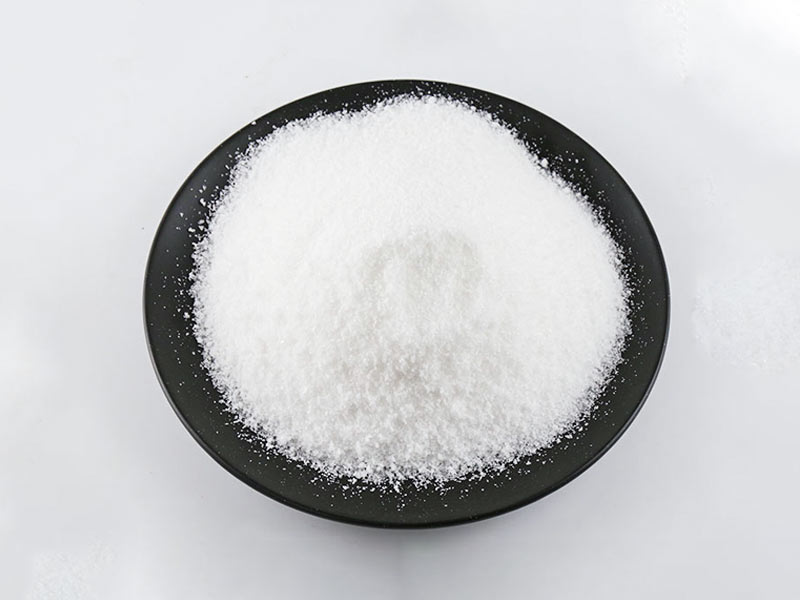
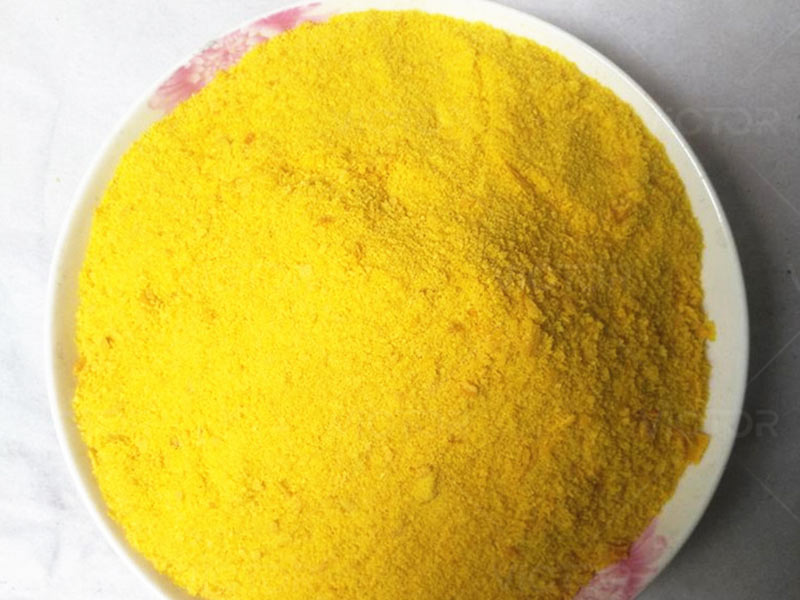
What are the raw materials for producing polyaluminium chloride? There are two main categories. One comprises aluminium-bearing minerals, while the other consists of other aluminium-containing raw materials. Aluminium-bearing minerals primarily include three types of bauxite ore: encapsulated gibbsite, dihydrate gibbsite, and dihydrate kaolinite, along with aluminium clay, kaolin, and alum shale, which are also aluminium minerals. Non-mineral aluminium sources are more diverse, including scrap aluminium, coal gangue, fly ash, aluminium slag, aluminium hydroxide, aluminium oxide, and other industrial aluminium residues containing chlorine elements. Among these, aluminium ingots and aluminium chips are considered superior due to their higher aluminium purity. Only when blended with aluminium sulphate and aluminium oxide can they yield high-purity aluminium chloride products. The colour of the resulting aluminium chloride varies depending on the aluminium-containing materials used. The highest-purity, superior-quality product is white polyaluminium chloride produced from aluminium minerals and aluminium ingots with high aluminium purity. The closer the colour approaches white, the better the quality.
Numerous production methods exist for polyaluminium chloride. Classified by process type, these include pyrolysis, reduction, acid treatment, neutralisation, electrolysis, coagulation gelation, and electrolytic methods. Specifically, when employing the metallic aluminium method in operation, the acid method, alkaline method, and neutralisation method are utilised to produce polyaluminium chloride from aluminium-containing scrap materials. The aluminium hydroxide method involves reacting crystalline aluminium chloride with hydrochloric acid under dual conditions of high temperature (50 to 180 degrees Celsius) and pressure to form polyaluminium chloride. The aluminium oxide method produces aluminium chloride by calcining and activating materials such as bauxite, alumina, or kaolin. This is followed by acid leaching and adjusting the base degree to form polyaluminium chloride. Crystalline polyaluminium chloride decomposes upon heating at specific temperatures, yielding a compound containing hydrogen chloride gas and moisture – the polyaluminium chloride monomer.
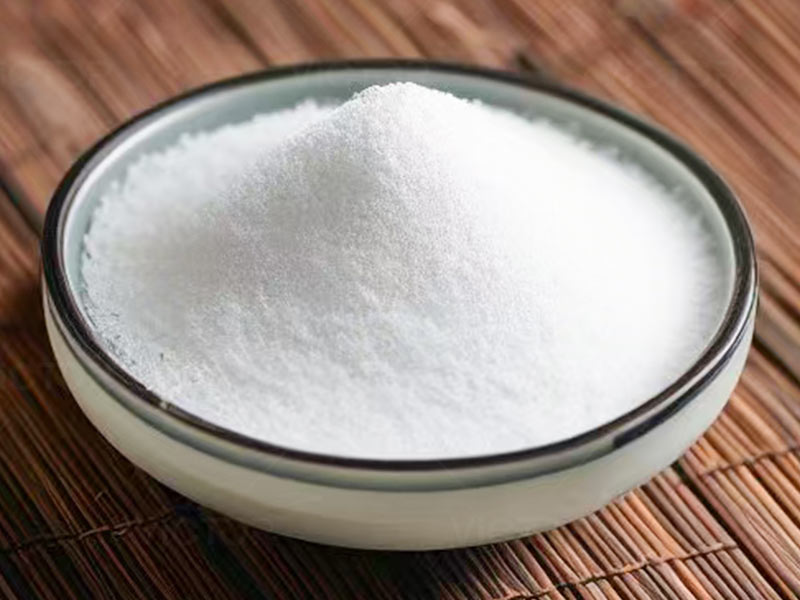
The most common solid polyaluminium chloride is obtained by spray-drying liquid polyaluminium chloride. Alternatively, liquid polyaluminium chloride can be dried in a drum to produce solid polyaluminium chloride. Among these, spray drying is the most efficient and ideal method for forming solid polyaluminium chloride. It is suitable for large-scale production. For smaller production volumes, drum drying is preferable. Solid polyaluminium chloride is convenient for storage and transportation. It is the most commonly traded polyaluminium chloride product on the market.