Nowadays, the use of
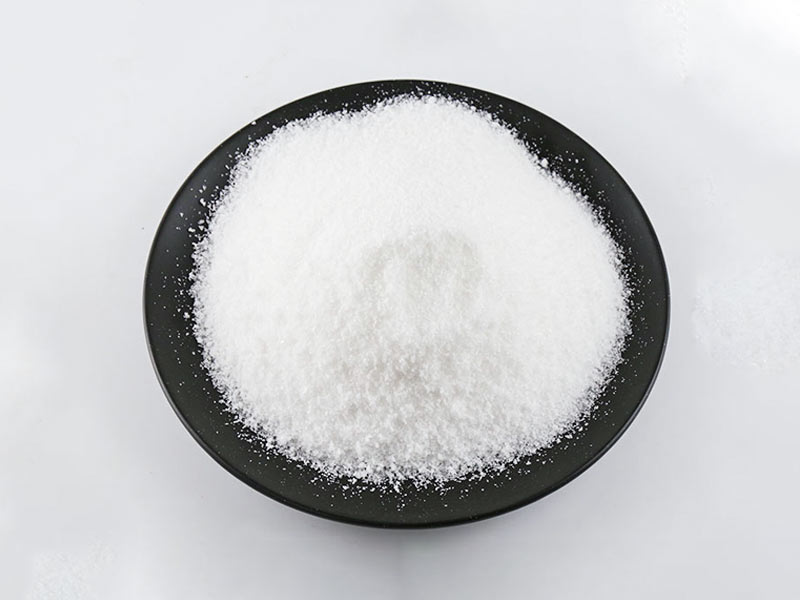
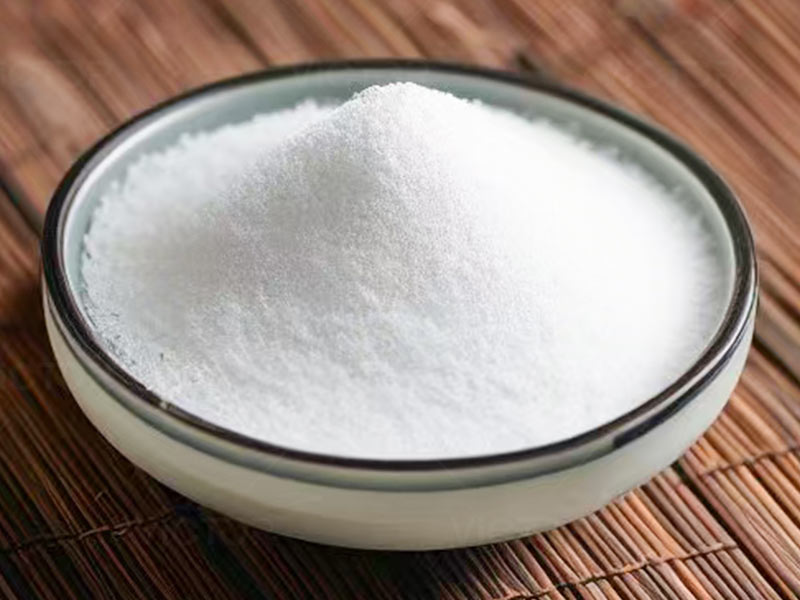
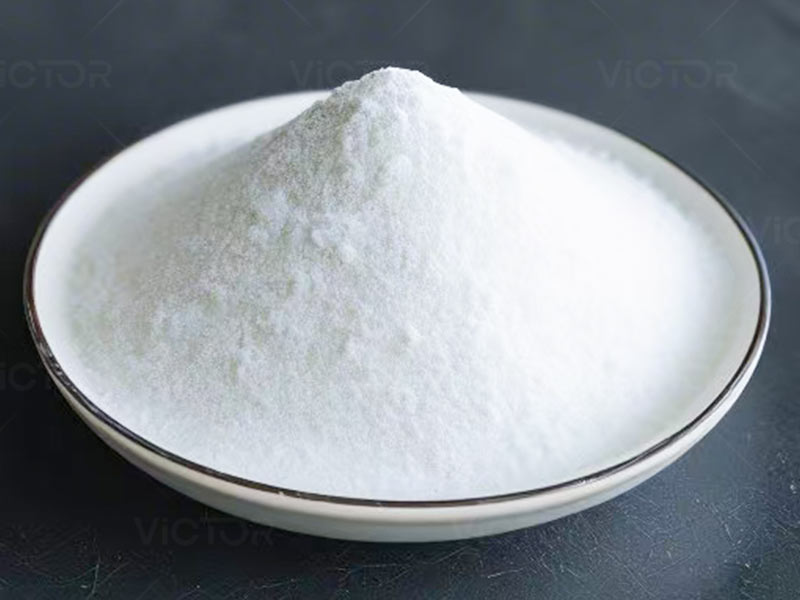
polyaluminium chloride products in the water purification industry is becoming increasingly frequent. This product is highly favoured for its excellent purification effect and low cost. However, failure to grasp the key points of using polyaluminium chloride products can easily lead to poor purification results. Therefore, it is advisable to conduct experiments before adding polyaluminium chloride products to ensure the dosing effect and avoid economic losses. How then should experiments be conducted prior to adding polyaluminium chloride?
On-site simulation represents a relatively straightforward experimental approach. Commonly employed apparatus involves utilising filters for testing. Specifically, when raw water turbidity is low, a simulated filter is used. When raw water turbidity is high, a co-settling tank and filter are employed in tandem. During testing, a small volume of water sample is continuously fed into the filter. The effluent turbidity is measured to determine the appropriate dosage of polyaluminium chloride. This information is then fed back to adjust production parameters. Typically, this process takes approximately ten to fifteen minutes and effectively evaluates the dosing efficacy of polyaluminium chloride. However, this method still exhibits some lag, albeit a relatively short one. Additionally, simulated experiments differ somewhat from normal production dosing practices. Nevertheless, this experimental approach more closely approximates actual dosing conditions. Consequently, many enterprises currently opt for this simulated experimental method to determine polyaluminium chloride dosing.
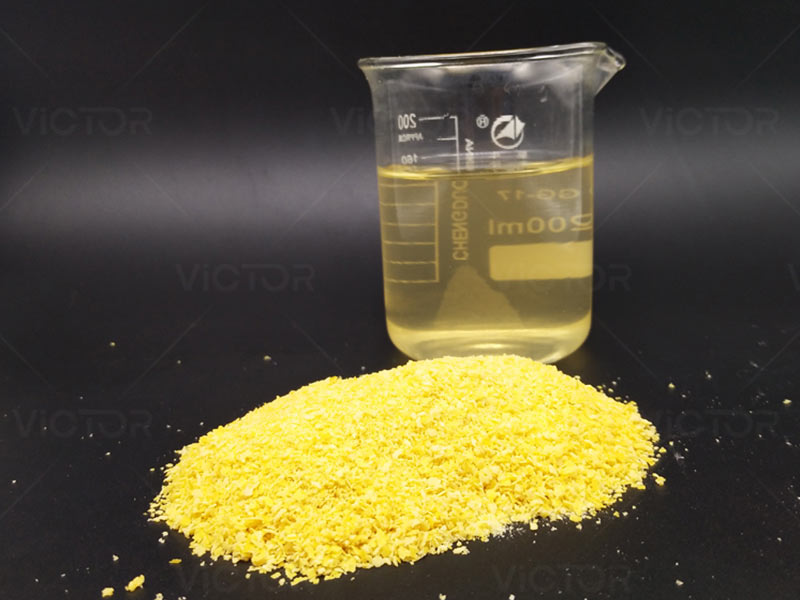
Beaker experiments also constitute a method for dosing polyaluminium chloride. This method is relatively more convenient, swift, flexible, and straightforward, requiring minimal equipment. Consequently, it is widely adopted by numerous water treatment plants, particularly smaller facilities. However, it has limitations: it is only representative of the sampled water. Thus, it serves best as an auxiliary method for evaluating the dosage of polyaluminium chloride products. It is unsuitable for online control of polyaluminium chloride dosing.
Another method for determining PAC dosage is the numerical modelling approach. This technique uses raw water quality parameters—such as turbidity, pH, water temperature, and flow rate—as variables. Based on these, a mathematical model is established to derive the correlation function between these variables and the required dosage. Mathematical modelling is best employed through a combined feedforward and feedback control approach. Key mathematical variables influencing feedforward control include raw water turbidity, pH, temperature, and flow rate. Understanding these factors facilitates precise control over the dosage of polyaluminium chloride products.