It is widely recognised that
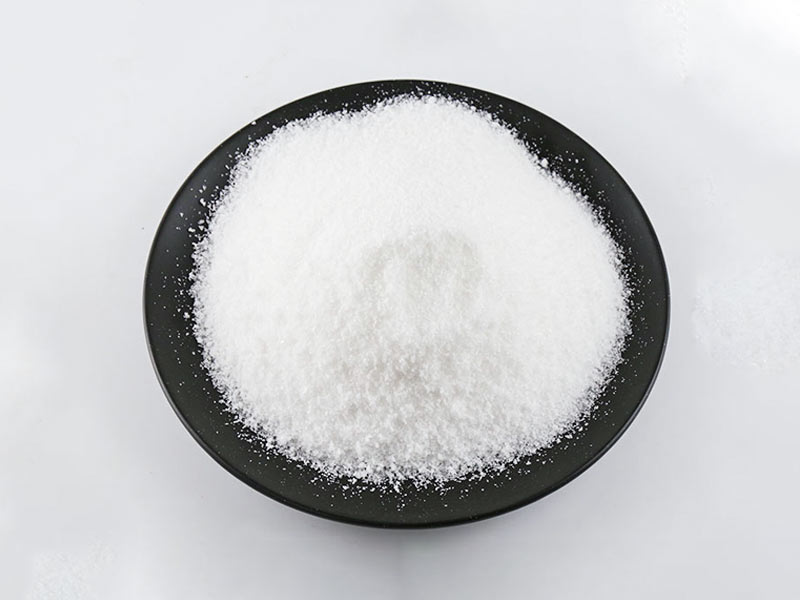
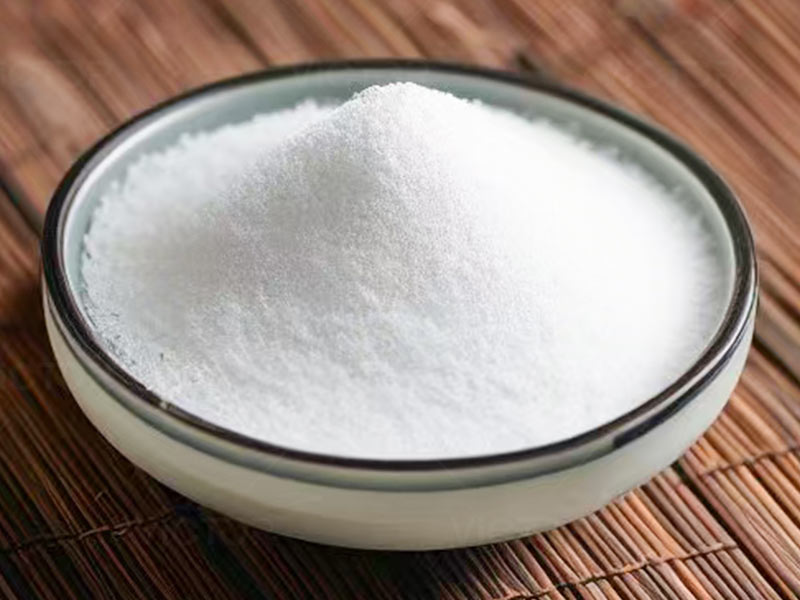
polyacrylamide delivers excellent results in wastewater treatment. However, many are unaware that to achieve superior water treatment outcomes, polyacrylamide is best employed in conjunction with other chemical agents. Whilst polyacrylamide can be used alone, its dosage requirements are substantial, significantly increasing water treatment costs. Consequently, in water treatment applications, polyacrylamide is invariably utilised alongside other purification agents. This approach yields more stable treatment results. It also reduces overall costs.
So, which agents should polyacrylamide be combined with in wastewater treatment to maximise its performance, and what are the benefits? Polyacrylamide and polyaluminium chloride (PAC) yield superior results when used together. When either is employed alone in treating raw water, the outcomes fall short of expectations. Their combined application maximises wastewater treatment advantages. The synergistic interaction between polyacrylamide's high adsorption capacity and polyaluminium chloride's strong electrostatic properties significantly enhances flocculation efficiency. This partnership allows both agents to leverage their respective strengths. However, their addition sequence must be determined based on the turbidity and pH of the water being treated. It is noteworthy that the dosage of both agents must be controlled within specific parameters for potable water treatment. To ensure optimal results, preliminary experiments are recommended to determine the optimal flow rate, dosage, timing, and other variables. This approach effectively clarifies whether polyacrylamide and polyaluminium chloride can be used together.
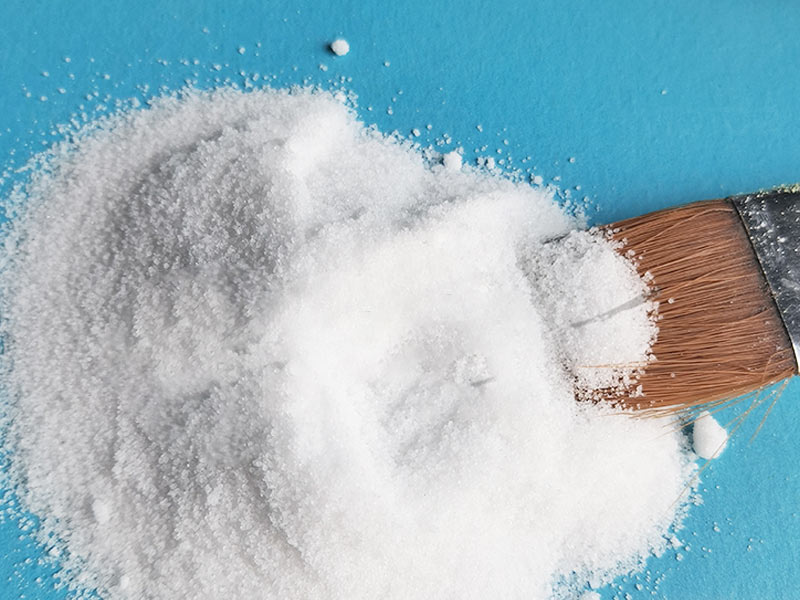
In which industries are polyacrylamide and polyaluminium chloride typically paired with other chemicals?
For instance, in coal washing operations, water treatment typically employs a combination of polyaluminium chloride and anionic polyacrylamide. Utilising alternative chemicals generally yields suboptimal results and incurs higher costs. In textile dyeing plants, cationic polyacrylamide paired with polyaluminium chloride delivers superior flocculation and sedimentation performance. The decolourisation effect is also quite pronounced. In domestic sewage treatment, many opt for the combination of anionic polyacrylamide and polyaluminium chloride for superior results.
The water treatment chemicals employed vary across different industries. Therefore, when using polyacrylamide products, selection should be based on the specific characteristics of the industry in question. This approach yields a higher cost-effectiveness ratio.