In today's world where wastewater treatment demands constant improvement,
polyacrylamide has become a household name as a water purification agent. However, polyacrylamide itself is a chemical product. The question of its toxicity remains a concern for many. So, is polyacrylamide toxic? Let's explore!
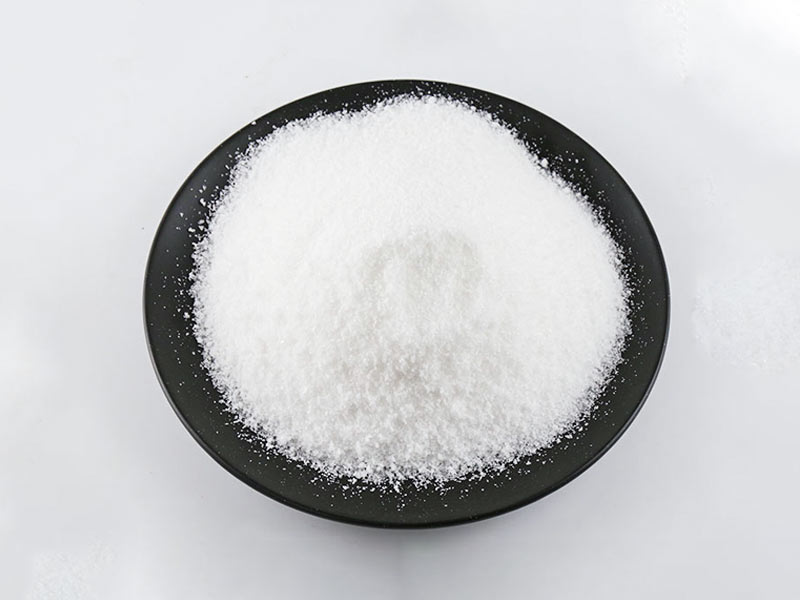
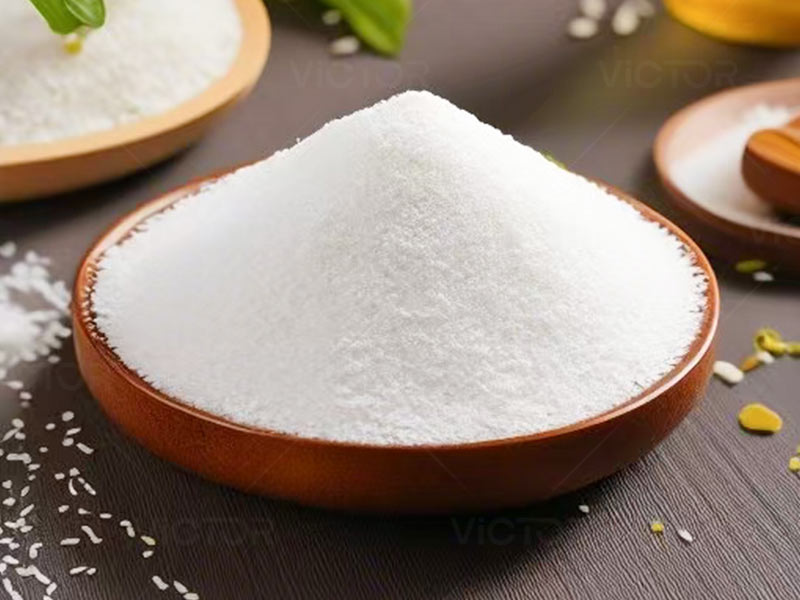
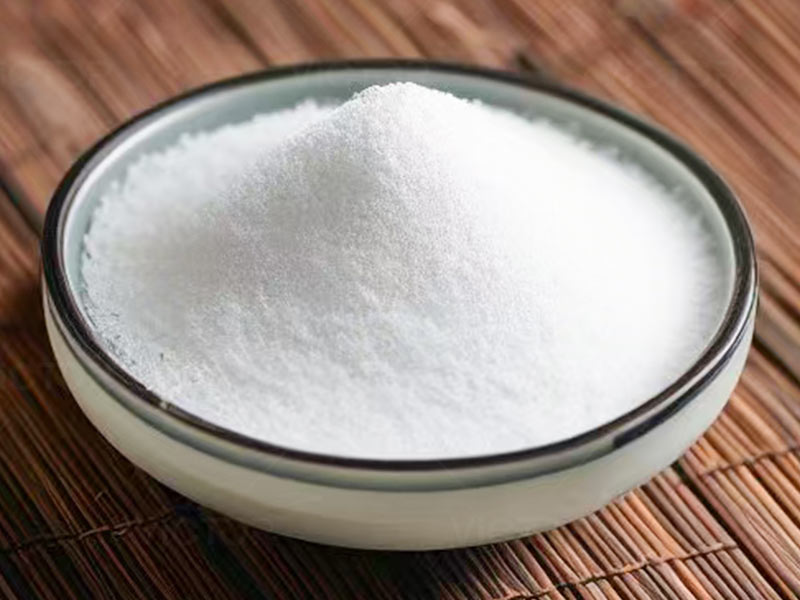
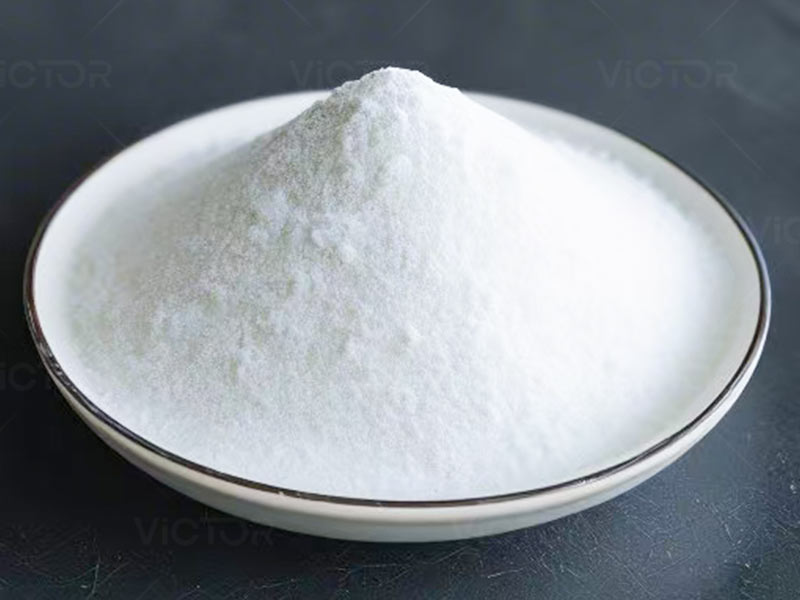
Polyacrylamide products are inherently high-molecular-weight, highly water-soluble agents capable of incorporating various ionic groups. They possess excellent adhesive properties and can effectively bridge suspended particles dispersed within solutions. The polyacrylamide product itself is non-toxic. Any toxicity stems from residual raw materials. However, during production, sodium bicarbonate is often added in specific quantities to neutralise the toxicity of residual acrylamide monomers. The current manufacturing process for polyacrylamide is legally compliant. Nevertheless, since acrylonitrile is inherently toxic, the toxicity of the final polyacrylamide product stems from residual acrylamide in its raw materials. Acrylamide is an agent capable of causing neurological damage, with symptoms of poisoning including muscle weakness and ataxia. Nevertheless, national regulations stipulate explicit limits for acrylamide residues in polyacrylamide products. Consequently, polyacrylamide products are generally non-toxic under normal circumstances.
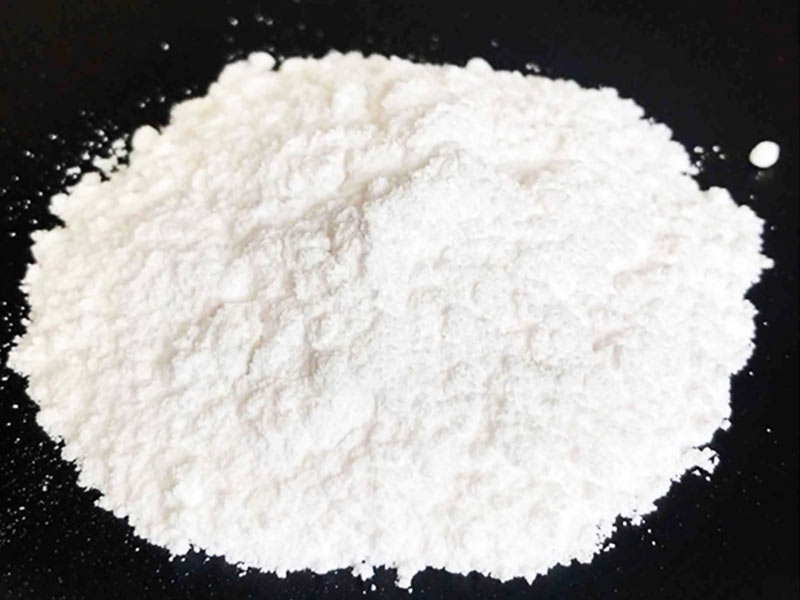
Polyacrylamide exhibits considerable thermal stability. In solid form, softening occurs only at temperatures between 220–230°C. Similarly, its aqueous solution requires temperatures exceeding 110°C to initiate decomposition. What are the characteristics of polyacrylamide? During dissolution, under vigorous mechanical stirring, polyacrylamide readily forms a relatively transparent gel-like liquid in cold water. However, increasing temperature does not affect its solubility. Only when solution concentration increases and viscosity rises does polyacrylamide dissolution become restricted. Furthermore, polyacrylamide possesses a certain degree of stability. When stored away from extremely high temperatures, solid polyacrylamide can be stored long-term. Liquid polyacrylamide solutions with concentrations above 17% can be stored for over a year without significant changes in viscosity. Only pH values affect viscosity. Stability is generally optimal within a pH range of 3 to 9. However, elevated pH levels may cause viscosity to increase. Therefore, certain precautions should be observed during storage.