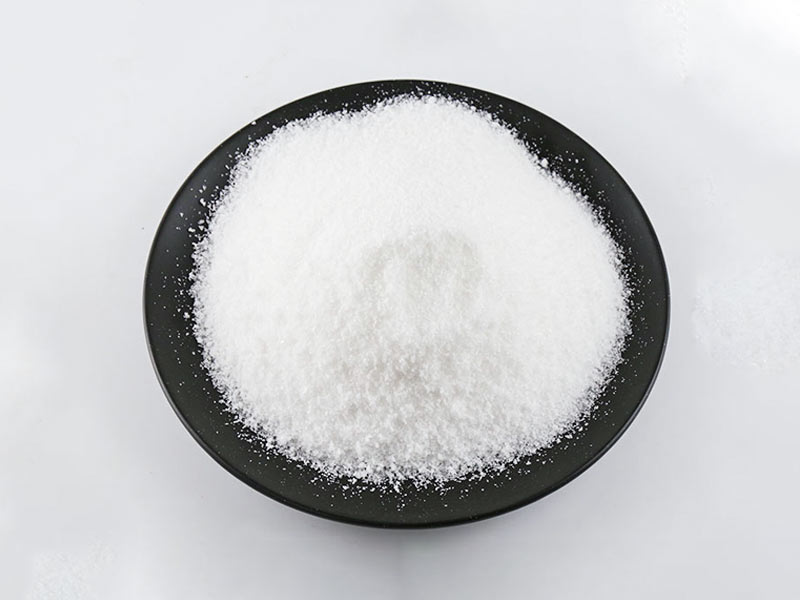
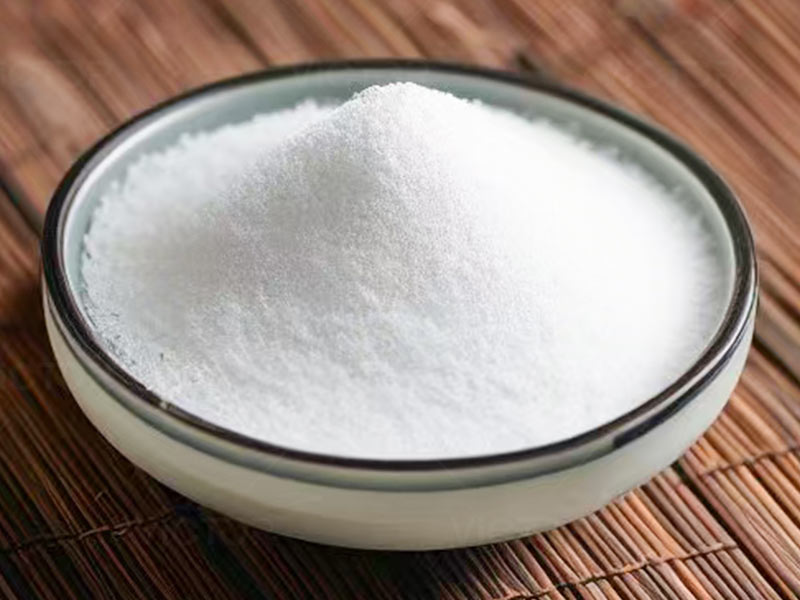
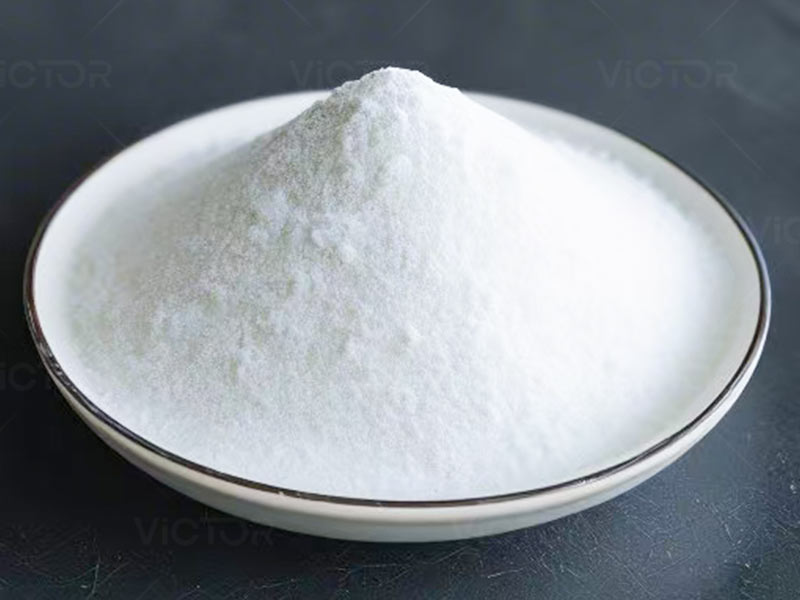
In the application of
polyaluminium chloride products, many users observe that its effectiveness is not solely determined by product quality. Correct usage methods are equally crucial, including preparation ratios, dosage rates, and dissolution speeds. These factors collectively influence the performance of polyaluminium chloride. Below, a manufacturer provides detailed guidance on key considerations during its utilisation.
Polyaluminium chloride is a high-molecular-weight inorganic compound. It dissolves readily in water and possesses a degree of corrosiveness. Consequently, prior to use, experimental testing should be conducted based on the specific water quality characteristics to determine the optimal dosage. During preparation, it may be mixed and dissolved at a ratio of 1:5, followed by dilution with water. It is essential to note that the solution concentration during preparation must not exceed 1%. Solutions below 1% concentration undergo hydrolysis, significantly diminishing efficacy. Conversely, excessively high concentrations lead to wastage and complicate dosage control. During dosing, adhere strictly to the determined dosage rate. Monitor the process continuously and adjust the dosage accordingly. If the sedimentation tank exhibits sparse flocs and high residual turbidity, this indicates insufficient dosage. Conversely, large flocs rising to the surface accompanied by high residual turbidity signifies excessive dosage. Prompt adjustments must be made.
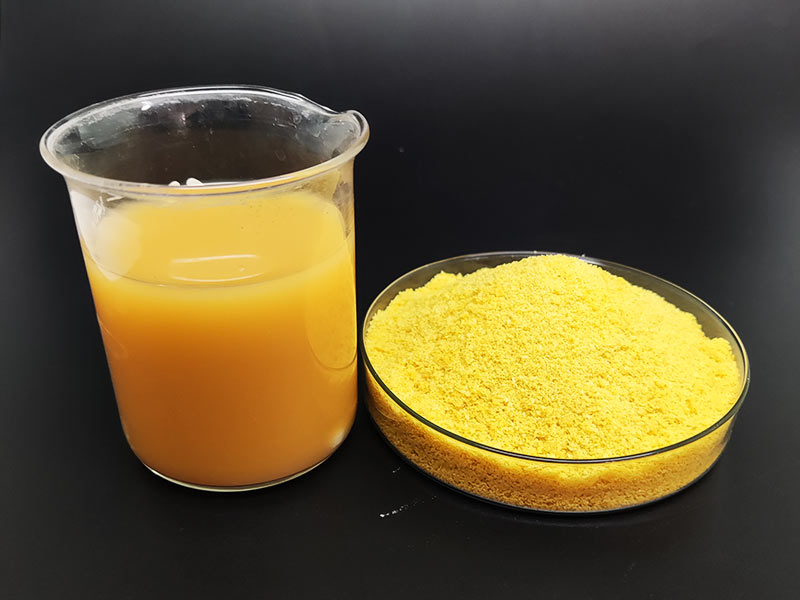
How can polyaluminium chloride dissolve more rapidly? The dissolution time for rapid-dissolving polyaluminium chloride dictates specific dosage requirements. To further shorten dissolution time during operation, pre-dissolve the polyaluminium chloride before dilution and use. When facing difficult-to-dissolve polyaluminium chloride, excessive sedimentation at the bottom of the supernatant may occur. This is not necessarily due to poor product quality. Incomplete dissolution can be resolved through thorough mixing.
Naturally, insoluble matter in polyaluminium chloride primarily stems from impurities in raw materials. Current approaches to managing excessive insolubles include natural sedimentation, plate-and-frame filter press filtration, and the addition of water purification agents. Natural sedimentation requires considerable time. Plate-and-frame filter press filtration necessitates specialised equipment. Adding water purification agents is the simplest method, though precise dosage must be determined.