Polyaluminium chloride has now become the choice for numerous enterprises undertaking water purification. However, polymerised aluminium chloride exhibits a variety of colours. What distinguishes polymerised aluminium chloride products of different colours? What differences arise during their application?
Generally, polyaluminium chloride products are categorised by colour into white, yellow, and brownish-yellow variants. While all these colours represent polyaluminium chloride, the colour differences result in significant variations in their production processes and practical applications.
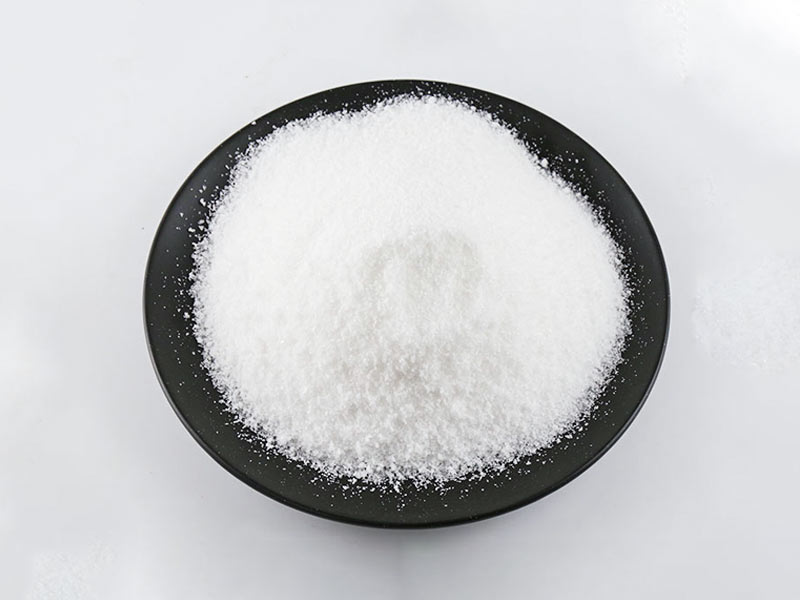
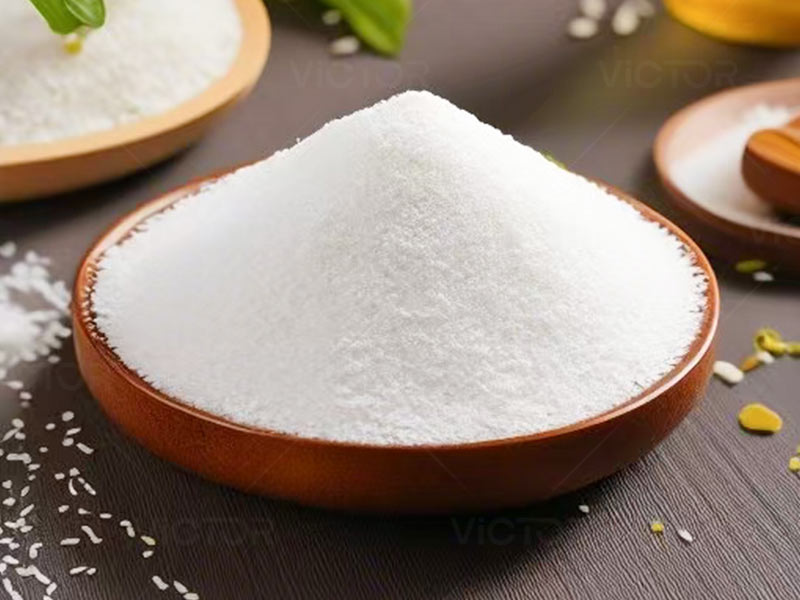
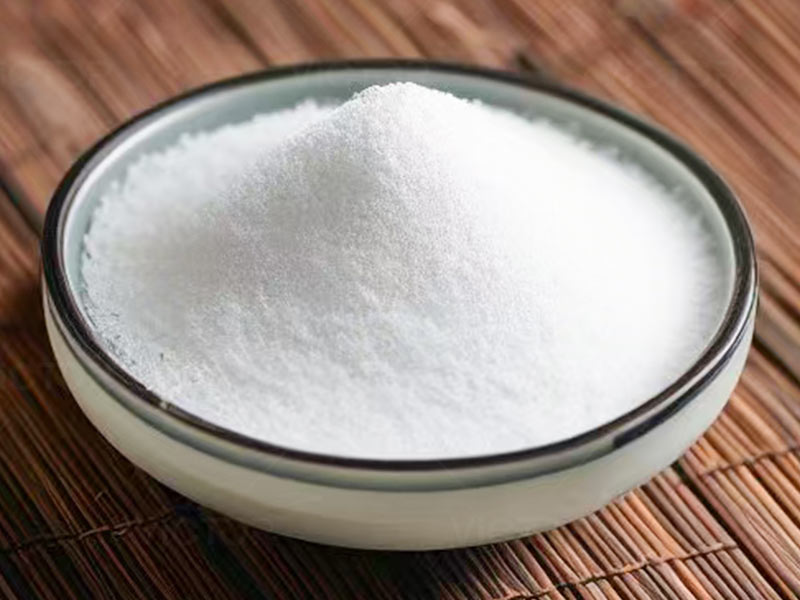
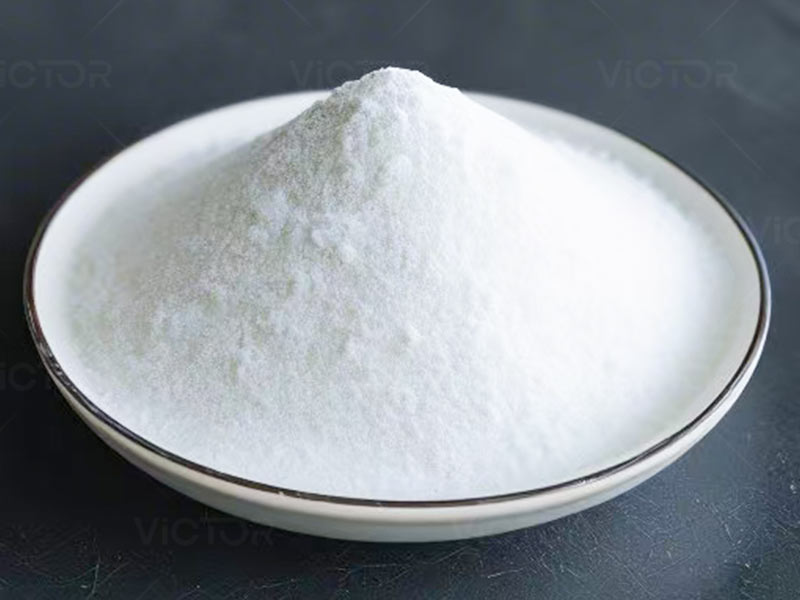
First, consider white polyaluminium chloride. Also termed high-purity iron-free polyaluminium chloride, it represents the benchmark specification and quality among all polyaluminium chloride products. It is primarily manufactured using premium hydrochloric acid and aluminium oxide powder as raw materials, employing relatively advanced domestic production techniques. Compared to other coloured polyaluminium chlorides, white polyaluminium chloride boasts exceptionally broad applications. It is suitable for industries such as papermaking, cosmetics, and food processing.
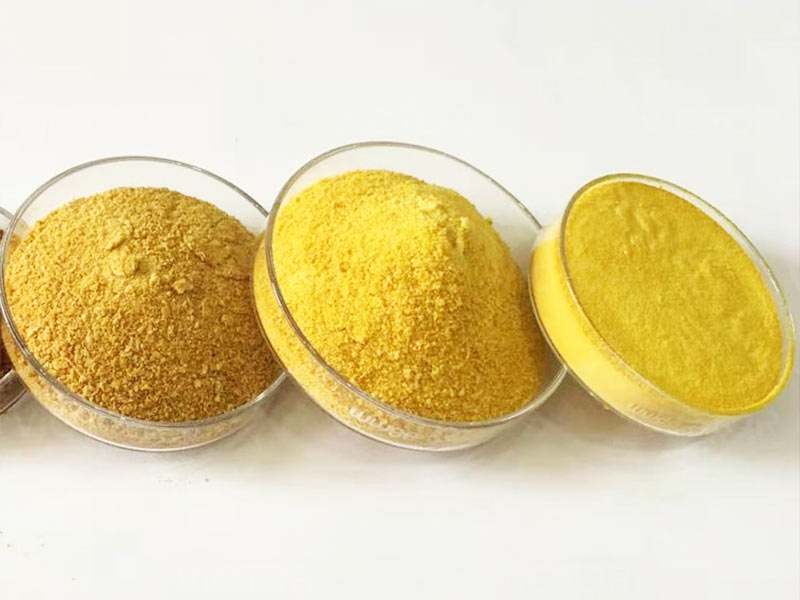
Unlike white polyaluminium chloride, yellow polyaluminium chloride is typically produced using plate-and-frame or drum processes. It is generally available in flake or powder form. Yellow polyaluminium chloride products are predominantly employed in wastewater treatment and potable water purification. Raw materials primarily consist of aluminium oxide powder, hydrochloric acid, and a small quantity of calcium aluminate for refinement. However, for potable water treatment, stringent production requirements apply to the quality of yellow polyaluminium chloride products. Both raw materials and manufacturing processes must be significantly superior to those of brownish polyaluminium chloride products.
Brown polyaluminium chloride products are typically produced by incorporating a specific quantity of iron powder into the raw materials. The greater the amount of iron powder added, the darker the colour of the polyaluminium chloride product. Moreover, when the iron powder content in the raw materials exceeds a certain threshold, the product transforms into polyaluminium chloride iron. Brown-coloured polyaluminium chloride products are usually manufactured using the drum drying method. They are also suitable for wastewater treatment, though they offer a higher cost-effectiveness ratio.
The above outlines the differences in production processes and applications between polyaluminium chloride products of varying colours. Selecting the appropriate polyaluminium chloride product for specific usage scenarios enables users to achieve greater benefits. It is advisable not to make choices indiscriminately.