The scope of application for polyacrylamide products continues to broaden. Consequently, an increasing variety of polyacrylamide grades are now available, each tailored for distinct scenarios. Based on ionic characteristics, polyacrylamide can be categorised into cationic, anionic, non-ionic, and amphoteric types. Furthermore, classification by molecular weight allows for additional differentiation into specific grades. Faced with the current market's bewildering array of specifications, grades, and prices, selecting the most suitable polyacrylamide for one's needs remains quite challenging. Therefore, today we shall explore common misconceptions regarding polyacrylamide product selection, hoping to assist in daily purchasing and usage.
- Misconception 1: When selecting polyacrylamide products, one must not assume that higher molecular weight equates to superior performance. In reality, polyacrylamide exists in over a hundred distinct molecular weight grades. Furthermore, different companies process wastewater with varying characteristics—acidic, alkaline, oily, and so forth. These effluents invariably contain substantial sedimentary matter. Opting for a high-molecular-weight polyacrylamide alone will not resolve the issue. Selection should be based on small-scale trials to determine the optimal dosage and suitable product formulation. This approach achieves superior results with minimal dosage and cost.
- Misconception Two: Ionicity Testing is Unnecessary This is a wholly erroneous belief. Both molecular weight and ionicity are crucial indicators of polyacrylamide product quality. Selecting the appropriate ionicity is vital. Ionicity refers to the charge density of anions and cations within the polyacrylamide product. Higher charge density correlates with lower molecular weight. Conversely, higher ionisation degree typically results in a higher product price. Additionally, ionisation density directly influences the flocculation efficacy of the polyacrylamide product. Therefore, selecting the appropriate polyacrylamide ionic type necessitates further testing to determine the required product specification.
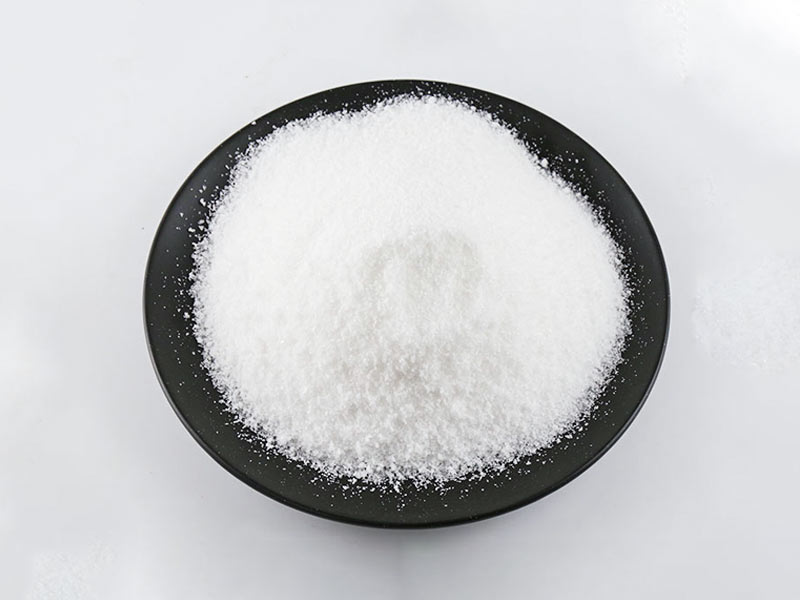
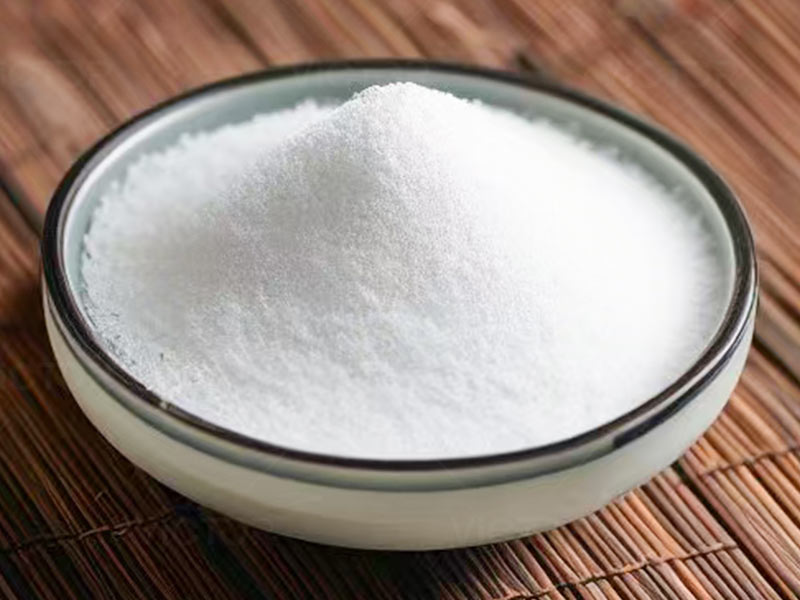
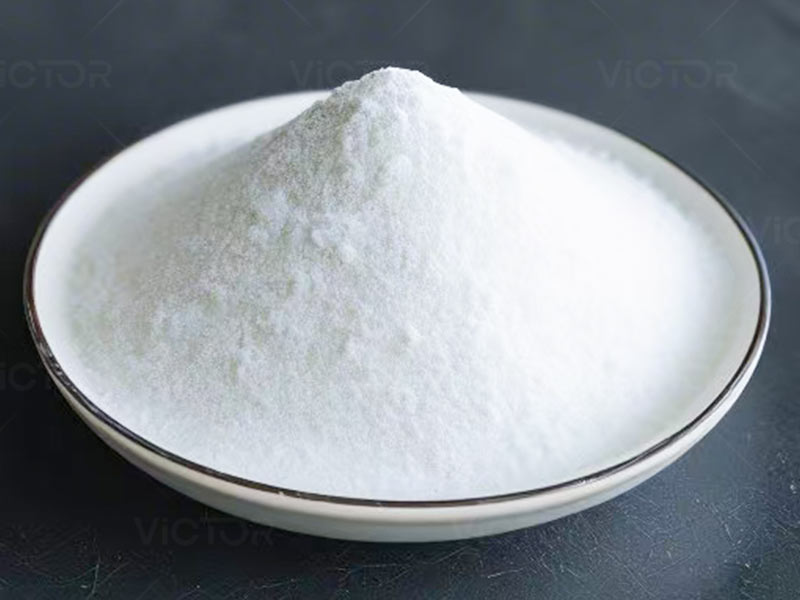
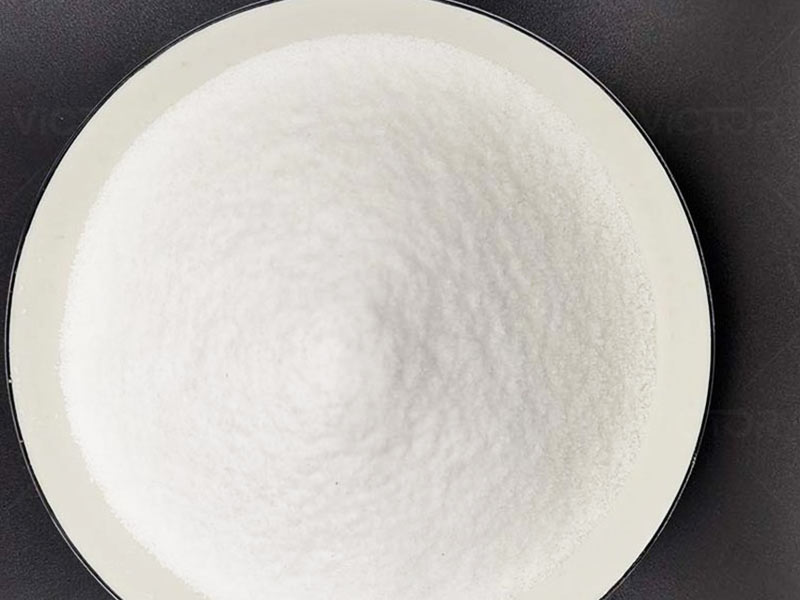
- Misconception Three: Is a longer dissolution time always better for polyacrylamide products? NO! Typically, polyacrylamide presents as white crystalline granules. For optimal performance, the product must be fully dissolved prior to use. Typically, polyacrylamide dissolution takes approximately thirty minutes. During colder winter months, dissolution time may be appropriately extended. However, insufficient dissolution time or inadequate stirring frequently results in incomplete dissolution, significantly compromising performance. Consequently, continuous monitoring of the dissolution process is essential to ensure optimal polyacrylamide efficacy.