An increasing number of manufacturers now employ
polyaluminium chloride for wastewater treatment. The market features numerous producers of polyaluminium chloride products, with a wide variety available. Consequently, selecting high-quality polyaluminium chloride has become a challenge for many users. How, then, can one assess the quality of polyaluminium chloride?
Polymerised aluminium chloride is a relatively efficient inorganic flocculant. Its quality is determined by the product's comprehensive indices, which in turn dictate its price. Generally, the primary indicators determining the quality of polyaluminium chloride products are aluminium oxide content, salt content, and water-insoluble matter. Higher aluminium content indicates superior product quality, while lower water-insoluble matter is relatively preferable.
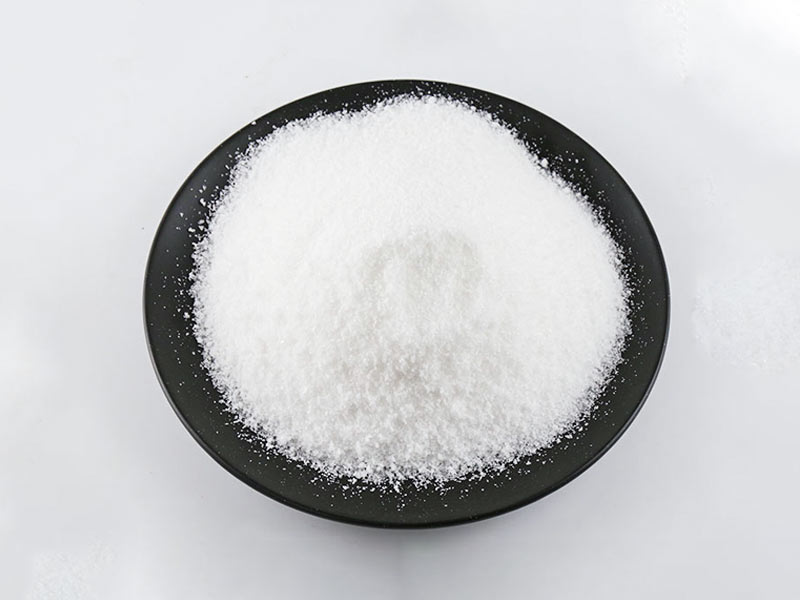
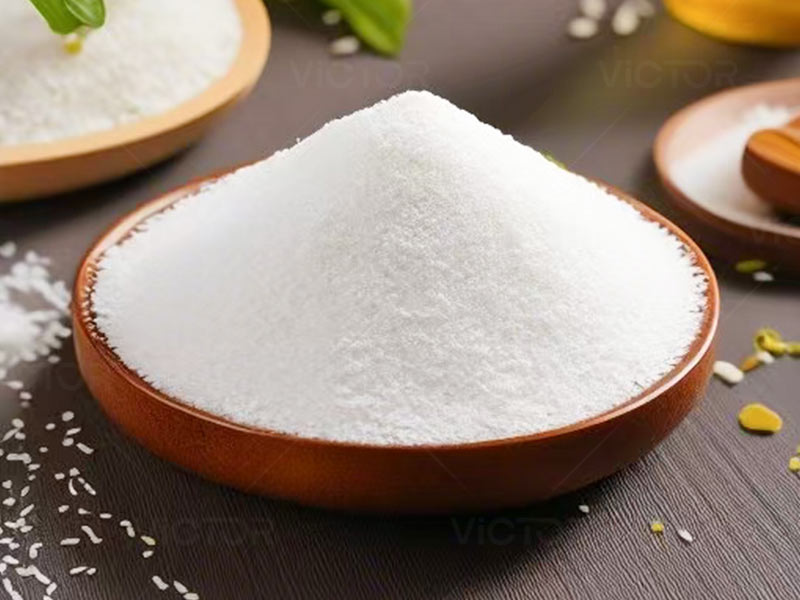
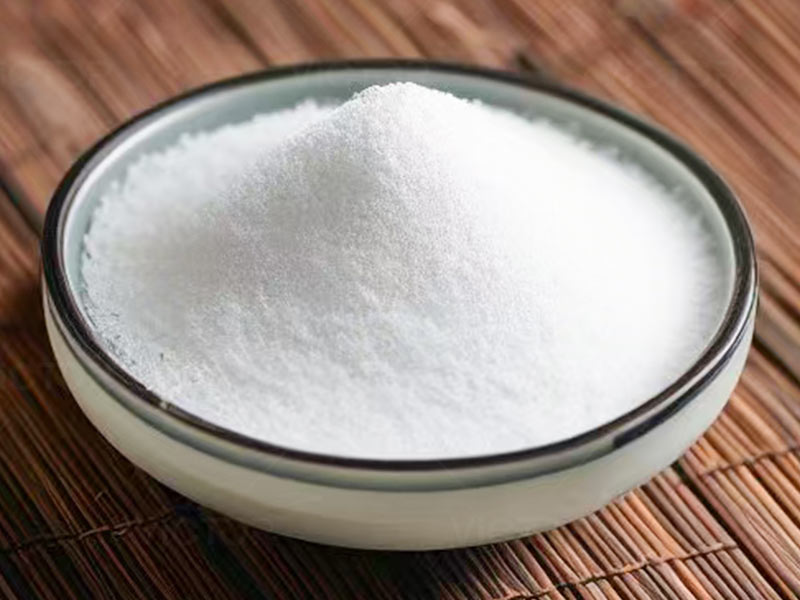
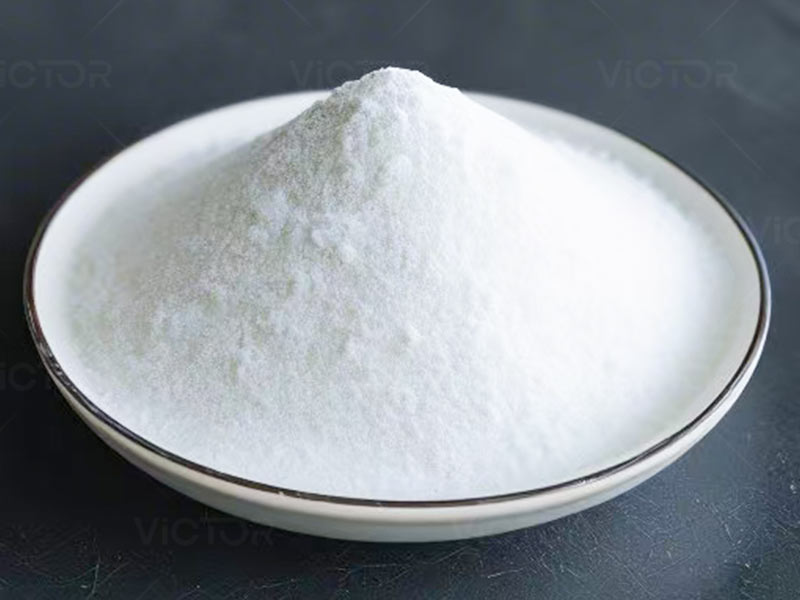
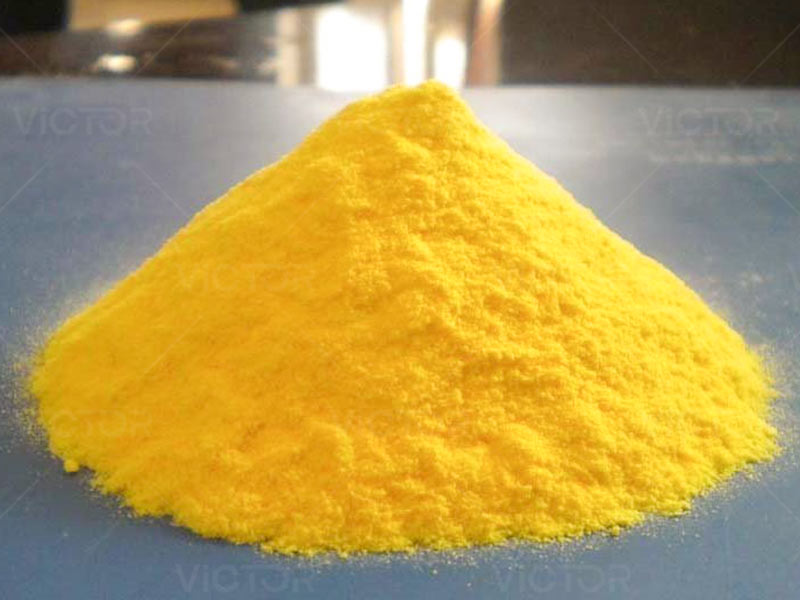
The colour of polyaluminium chloride products is generally correlated with their quality. Common colours include brown, khaki, yellow, and white. Among these, brown-coloured polyaluminium chloride represents a lower-grade product, khaki denotes a mid-range grade, while white and yellow indicate higher-grade variants. Naturally, white and yellow grades command higher prices. Beyond colour, assessing polyaluminium chloride quality also hinges on aluminium oxide content. For potable water treatment applications, aluminium oxide content is typically required to exceed thirty per cent. Standard water treatment specifications demand aluminium oxide content ranging from twenty-seven to twenty-nine per cent. Most polyaluminium chloride is applied in industrial wastewater treatment, where alumina content requirements are less stringent. However, the papermaking industry demands high-purity polyaluminium chloride for its industrial wastewater treatment processes. Lastly, alkalinity is crucial; this refers to the ion index within polyaluminium chloride, typically ranging between 40% and 90%.
Having understood how to assess the quality of polyaluminium chloride by weight, one must also carefully consider the issue of excessive metal content. We have explicit regulations concerning metal content. The heavy metal content in polyaluminium chloride must not exceed national standards. Consequently, as a manufacturer of polyaluminium chloride, Victor typically employs mineral-based raw materials. These mineral sources possess relatively complex compositions and undergo processing steps such as crushing into powder, facilitating easier dissolution during application. Having covered these points, you should now be equipped to assess the quality of polyaluminium chloride products. Only by thoroughly understanding product characteristics can one avoid being misled during procurement.