In everyday life, when it comes to wastewater treatment,
polyacrylamide and
polyaluminium chloride are commonly encountered. As two frequently used agents in water purification, what exactly distinguishes them? Let's briefly explore!
In terms of function, polyacrylamide is an organic flocculant, whereas polyaluminium chloride is an inorganic coagulant. Polyacrylamide primarily facilitates flocculation and sedimentation, while polyaluminium chloride acts to induce coagulation and destabilisation. Their approaches to wastewater treatment differ. In many instances, combining both agents yields superior results.
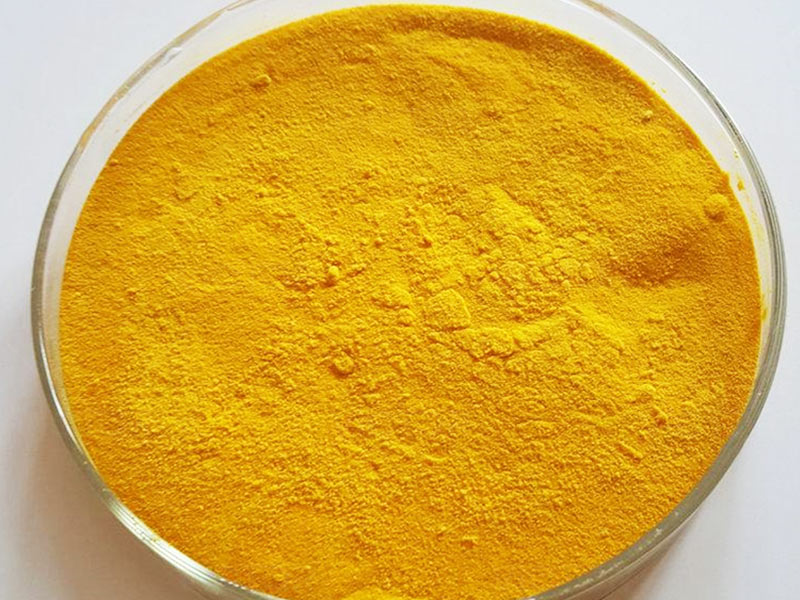
Specifically, polyacrylamide is primarily employed in raw water treatment, wastewater treatment, and industrial water treatment. Its application methods vary across different water treatment scenarios. In raw water treatment, polyacrylamide is often used in conjunction with various activated carbons to facilitate the coagulation and clarification of suspended particles. In wastewater treatment, polyacrylamide can be used alone for sludge dewatering. In industrial water treatment, it serves as the primary formulation chemical. Typically, in raw water treatment, employing Zeseng polyacrylamide can effectively enhance purification capacity without requiring modifications to sedimentation tanks. Consequently, it is frequently selected to compensate during periods of water supply shortages or poor water quality. Simultaneously, its use in wastewater treatment increases water recycling rates.
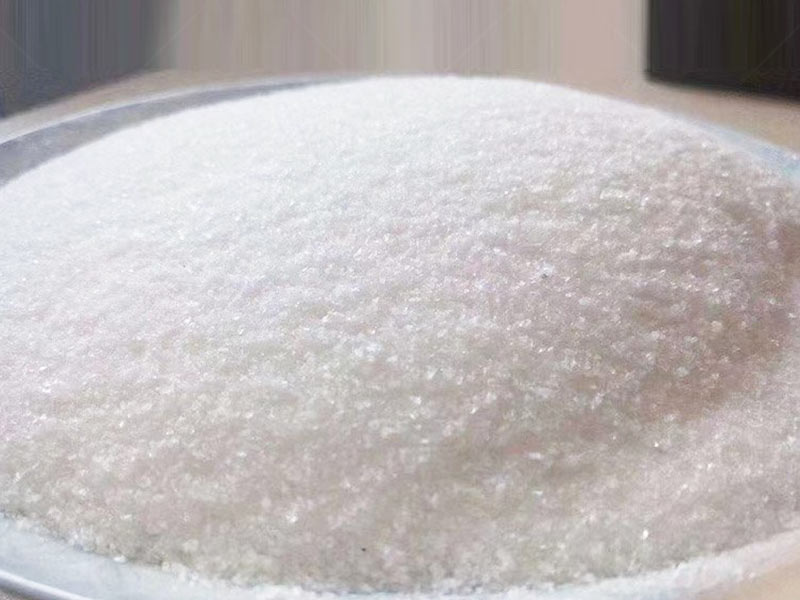
Polyaluminium chloride exhibits extensive applicability across diverse water qualities. It readily forms substantial flocs with excellent sedimentation properties, functioning effectively across a broad pH range. Treated water demonstrates reduced pH and alkalinity levels, while maintaining stable sedimentation even at low temperatures. It possesses higher alkalinity than alternative agents and exhibits minimal equipment corrosion.
Polyacrylamide typically constitutes a high-molecular-weight polymer. It is insoluble in most organic flocculants and can reduce interfacial friction between liquids. In contrast, polyaluminium chloride is an inorganic polymeric coagulant. However, excessive polyacrylamide usage may diminish coagulation efficacy, potentially causing secondary water contamination. It may introduce secondary contamination into water bodies. Furthermore, production costs increase, and the flocculant itself faces various limitations in water treatment applications. This is particularly evident in routine drinking water treatment, where it can adversely affect the final water quality outcome.