When it comes to
polyacrylamide, it is undoubtedly a familiar substance to most. As a commonly used flocculant, it finds extensive application across diverse industries and sectors. As is well known, its utility extends beyond water treatment; it also serves as a coagulant aid in fields such as papermaking and petroleum. Its efficacy varies across different industries and applications. So, what factors influence its performance in practical use?
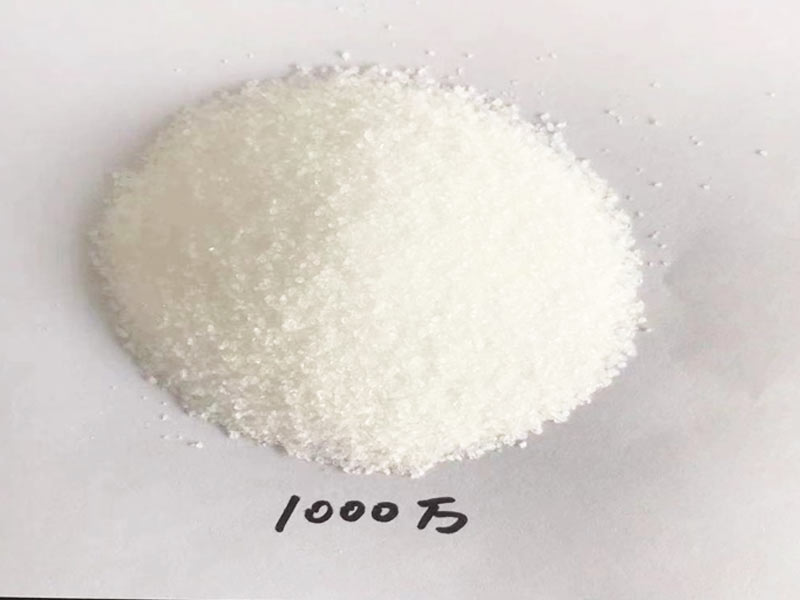
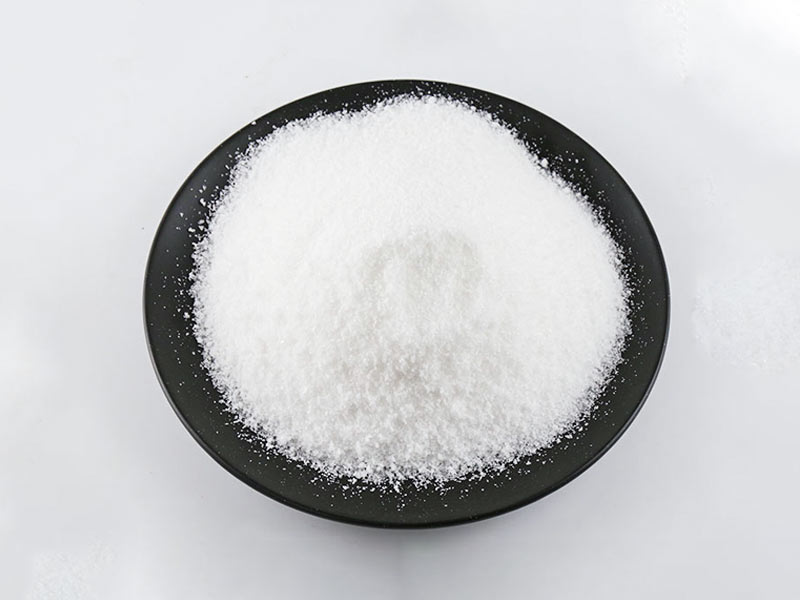
Polyacrylamide is a high-molecular-weight, water-soluble polymer. It possesses excellent flocculating properties and can effectively reduce friction resistance between liquids. Depending on its ionic characteristics, it is categorised into anionic, cationic, non-ionic, and amphoteric types. It typically appears as a white, powdery granular substance. Prior to use, it must be dissolved. It is best stored in a dry, well-ventilated, cool place. However, once dissolved, the product's shelf life is significantly reduced. When employing polyacrylamide, what factors influence its efficacy? Dosage is paramount regardless of the water quality being treated. The optimal dosage must be determined. However, the precise dosage and suitable grade require experimental confirmation. Excessive dosage may cause colloidal restabilisation, compromising efficacy. Under normal conditions, the typical dosage range for iron and aluminium salts is 10–100 mg per litre. Secondly, the sequence of addition is crucial. When multiple water treatment chemicals are used in combination, the optimal dosing sequence must be established. When both inorganic and organic flocculants are employed, the inorganic flocculant must be added first, followed by the organic flocculant. For treating impurity particles larger than 50μm, the organic flocculant should be added first to facilitate adsorption and bridging. Subsequently, introduce the inorganic flocculant to destabilise the particles. Hydraulic conditions also influence the efficacy of amide flocculants. During dissolution, the flocculant should mix thoroughly and rapidly with water. This facilitates sufficient opportunities for effective and rapid floc growth during the reaction phase. However, it is crucial to note that agitation intensity should be gradually reduced from high to low during mixing. Sufficient dissolution time must also be provided. Finally, the nature of impurities in the water is significant. The size of impurity particles affects treatment outcomes. Fine, uniformly sized particles can significantly impact coagulation results. Should impurities contain substantial organic matter, a single water treatment chemical may prove inadequate. In such cases, either increasing the dosage or employing different chemicals is necessary.