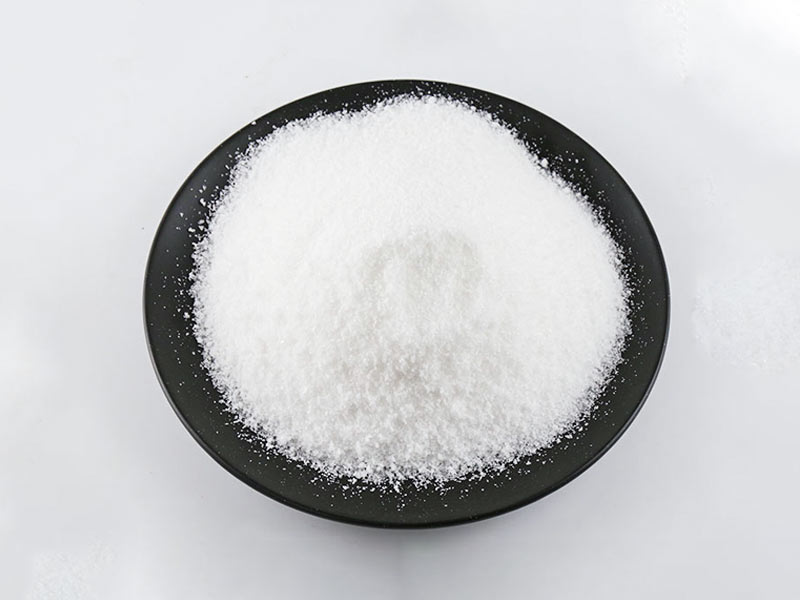
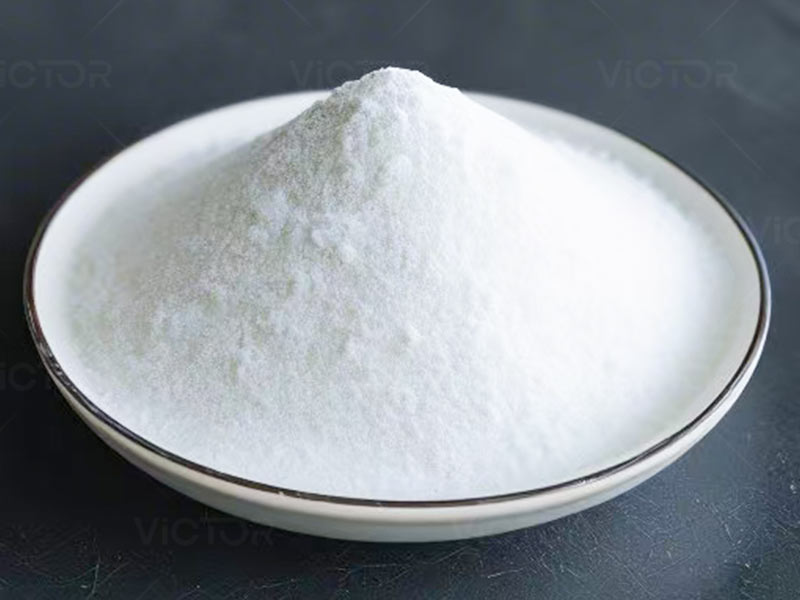
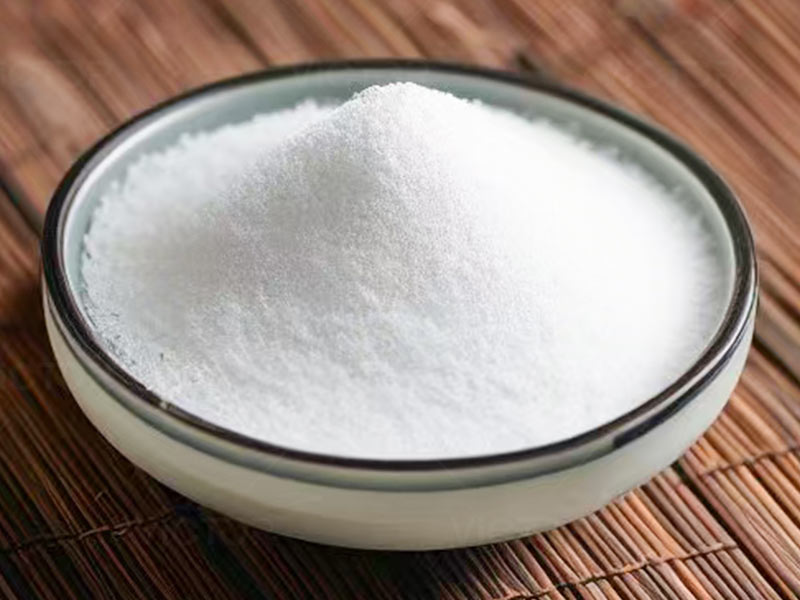
White Polyaluminium chloride is a highly effective water purification agent. It possesses bactericidal, deodorising and decolourising properties. It finds extensive application in water treatment, as well as within the pharmaceutical and cosmetics industries. Particularly, high-quality white variants can also serve as precipitants or coagulation aids in sectors such as papermaking and sugar decolourisation.
White polyaluminium chloride represents a rapidly advancing specialised product. It functions as a highly effective flocculant in water treatment processes, typically exhibiting a high content exceeding 30%. Its primary application lies in water purification. It effectively removes various toxic and harmful pollutants from water. Its low dosage requirement delivers excellent results, enhancing water treatment performance while significantly reducing operational costs. This high-efficiency product is also employed in paper sizing applications. It effectively improves paper brightness and fold resistance, overcoming the slippage and control difficulties associated with traditional sizing agents. Furthermore, high-purity white products exhibit excellent filter-aiding properties. It is an indispensable product in daily life.
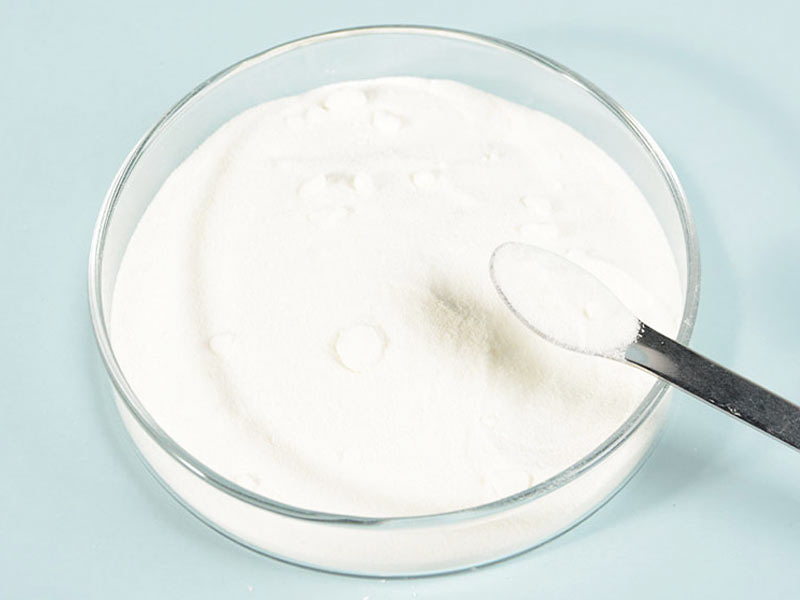
White polyaluminium chloride is a finely ground solid product processed via spray drying into a white powder. However, it exhibits melting tendencies when exposed to air. Due to the high production and raw material costs associated with the white variant, its domestic usage remains limited. The majority is exported overseas. It has now superseded aluminium sulphate as the cornerstone of the papermaking industry.
What precautions should be taken when using white polyaluminium chloride? Prior to application, it is advisable to conduct small-scale trials based on water quality to identify the optimal dosage point that achieves effective purification with minimal product usage. Solutions should be prepared fresh for immediate use to prevent degradation. For non-potable water treatment, product selection should be tailored to specific conditions. When using the solid form, dissolve it in water first at a concentration of approximately 10%-25%. Subsequently, dilute with water to the required concentration. For optimal efficacy, dilution to approximately 5% concentration based on aluminium oxide content is recommended. Crucially, when dissolving, add water first, then gradually introduce the product while maintaining continuous agitation. Products from different manufacturers or brands should not be mixed. Furthermore, avoid storing alongside other chemical products.